Cairo's Parks and Walks: What the Research Says About ...
As Cairo's wellness scene expands, neuroscientists and cardiologists confirm what locals already know—outdoor urban walking is one of the most effective preventive medicines available.
As Cairo's wellness scene expands, neuroscientists and cardiologists confirm what locals already know—outdoor urban walking is one of the most effective preventive medicines available.

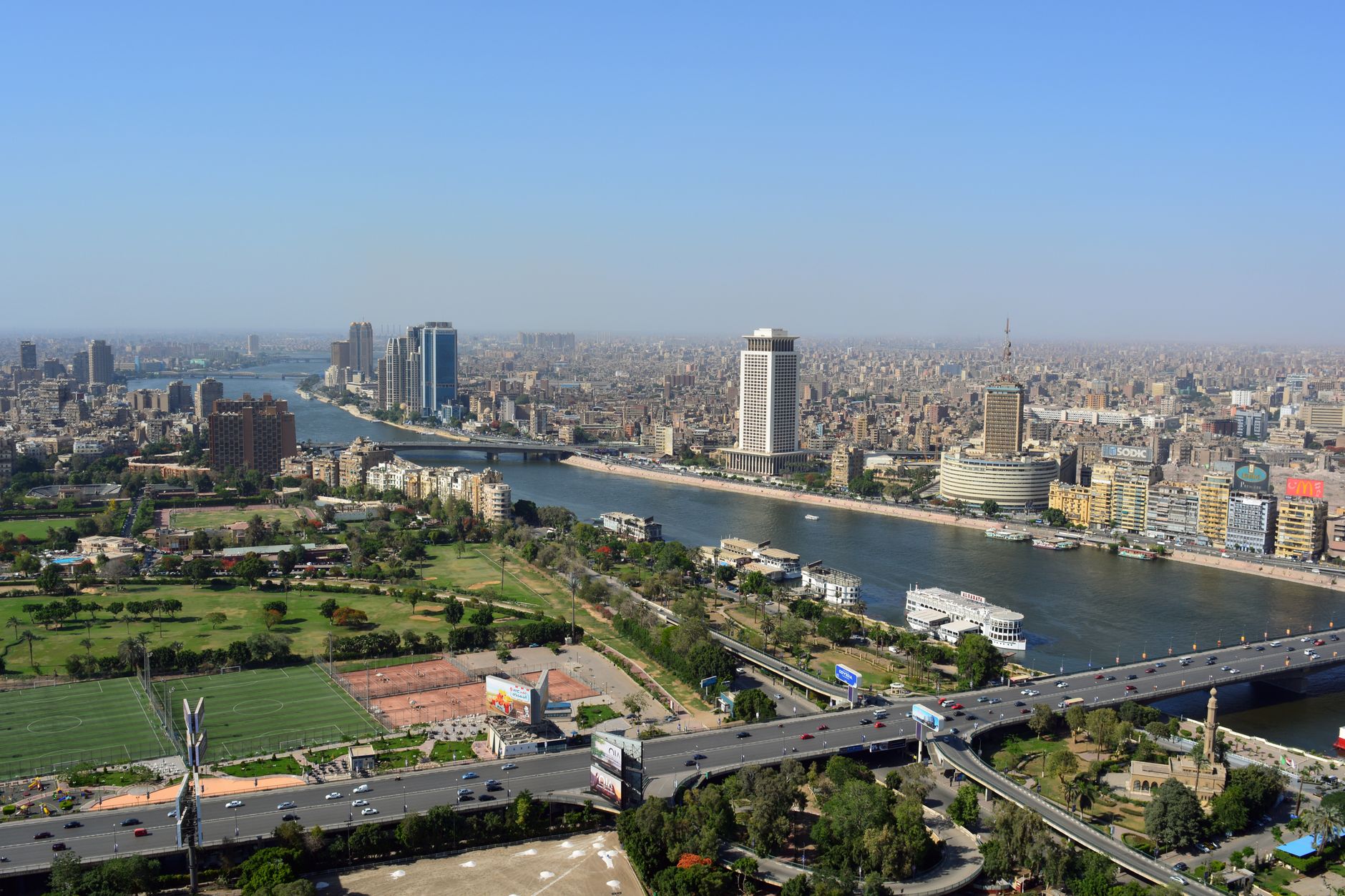
Walking through Al-Azhar Park on a cool morning or cycling the Nile Corniche at sunset isn't just a pleasant Cairo ritual. According to recent epidemiological studies from institutions like Cairo University's Faculty of Medicine, regular outdoor movement in green spaces reduces cardiovascular disease risk by up to 31 per cent and cuts depression markers by nearly half compared to sedentary lifestyles.
The science is straightforward: outdoor walking combines aerobic exercise, natural light exposure, and what researchers call 'biophilic stress reduction'—the measurable calming effect of trees and water on cortisol levels. In Cairo's climate, morning and evening walks offer additional thermal regulation benefits, particularly during the intense summer months.
Al-Azhar Park remains Cairo's flagship destination for this purpose. Spanning 30 acres across Islamic Cairo, the restored medieval gardens provide shaded pathways, elevation changes that naturally strengthen the lower body, and views that engage cognitive attention—all factors linked to improved mental clarity. Entry costs approximately 25 Egyptian pounds for residents. The park's popularity among joggers and walkers has grown steadily; weekend mornings typically draw several hundred visitors.
For those preferring riverside routes, the Nile Corniche between the Gezira Club and Maadi offers a flatter, more accessible 15-kilometre promenade. Recent infrastructure improvements have widened pedestrian zones, making it safer for both walkers and cyclists. The combination of water views and breeze—what urban planners call 'microclimate benefits'—moderates perceived exertion, encouraging longer, more consistent activity sessions.
Zamalek's quieter streets and Garden City's tree-lined avenues offer neighbourhood-scale alternatives. Research on 'local walkability' shows that familiar, low-traffic routes encourage adherence because they feel safer and require less cognitive load for navigation.
The wellness organisations emerging across Cairo—from small running clubs at Cleopatra Hospital's community health programmes to independent fitness collectives—increasingly emphasise outdoor movement over gym-based training. This reflects global fitness trends but aligns with Cairo's particular advantages: year-round outdoor feasibility (outside peak summer hours), cultural walking traditions, and a network of accessible green infrastructure.
For those starting an outdoor walking practice, research recommends 30 minutes of moderate-intensity movement, five days weekly. Cairo's parks and routes make this accessible without membership fees or equipment investment. As temperatures normalise in autumn, conditions will become optimal for establishing sustainable habits.
Always consult a local medical professional before beginning new exercise routines, particularly if managing existing health conditions.
This article was compiled by AI and screened before publishing. See our editorial standards.
How does this story make you feel?
Spread the word
About this article
Published by The Daily Cairo
Daily brief
Free, in your inbox before 7am. Weekdays.
More in Wellness