The global active ageing movement has gained momentum over the past five years, with fitness studios in London, Singapore and Sydney now dedicating entire programmes to mobility, balance and joint health for people over 60. In Cairo, a similar shift is emerging—but at a distinctly local pace and price point.
Al-Azhar Park, one of the city's most accessible green spaces, has become an informal hub for senior walkers and light joggers, particularly between 6 and 8 a.m. when temperatures remain manageable. Local physiotherapy clinics in Zamalek and Garden City report a 40 per cent rise in mobility assessments among adults aged 65 and above over the past 18 months, mirroring broader regional interest in preventive joint care. Yet the gap between global wellness infrastructure and Cairo's current offerings remains significant.
International fitness chains now charge $80–120 monthly for senior-focused classes; comparable studios near Tahrir Square or along the Nile Corniche typically range from 800 to 1,500 EGP (€25–€50), making them accessible to middle-class Egyptians but still beyond reach for many. Public health initiatives promoting active ageing remain underfunded compared to government wellness campaigns in Turkey or the UAE.
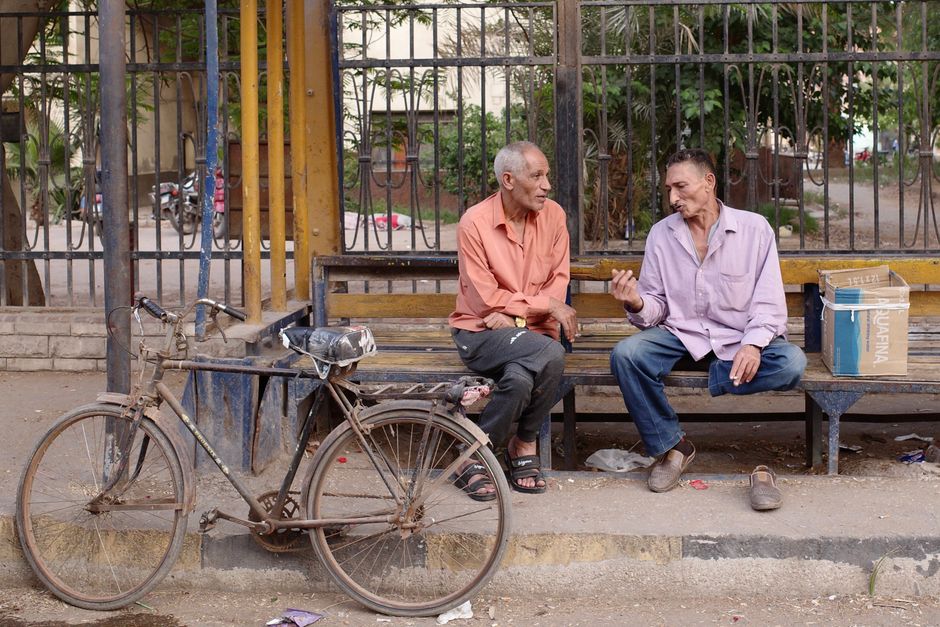
What Cairo does have is cultural advantage. The tradition of mezze-style eating—abundant in vegetables, legumes and olive oil—already aligns with global nutritional guidance for ageing populations. The Corniche cycling culture, once dominated by younger riders, now regularly features multigenerational groups. Community centres in Helwan and 6th of October City have begun hosting free or low-cost mobility workshops, though promotion remains limited.
Cleopatra Hospital and similar private institutions now offer specialised geriatric assessment programmes, yet awareness among seniors and their families is still building. Contrast this with Australia or Canada, where senior fitness is mainstream, subsidised in many cases, and thoroughly integrated into public health messaging.
The real shift in Cairo will come when affordability barriers lower and when the narrative around ageing moves beyond medical intervention to lifestyle prevention. Early adopters in affluent neighbourhoods are already there. The challenge—and the opportunity—lies in extending that momentum across socioeconomic lines and embedding active ageing into the fabric of community health, not just boutique fitness culture.
For personalised mobility or fitness advice, consult a local physiotherapist or your GP at a trusted clinic such as Cleopatra Hospital or a neighbourhood health centre.
This article was compiled by AI and screened before publishing. See our editorial standards.