Five years ago, finding a yoga class in Cairo meant hunting through obscure community centres or following Instagram accounts run by expatriates. Today, the city's wellness landscape has transformed dramatically. Dedicated studios now operate across multiple neighbourhoods, from the leafy streets of Maadi to the upscale compounds of New Cairo, signalling a genuine shift in how residents approach health and mental wellbeing.
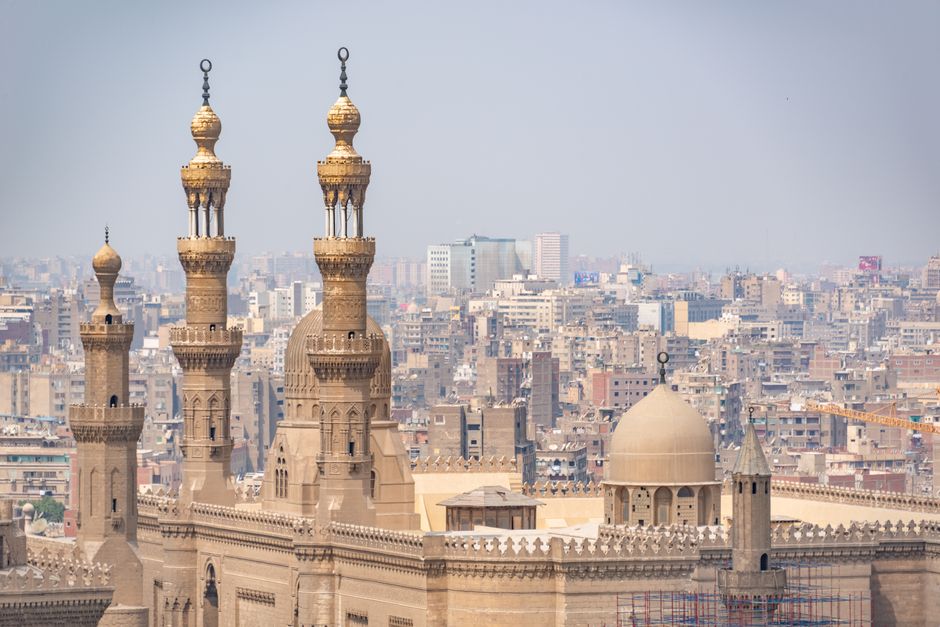
The growth reflects broader global trends, but in Cairo it carries local flavour. Several studios near the Nile Corniche have incorporated meditation spaces overlooking the river, blending ancient contemplative practices with views of Egypt's most iconic landscape. Others, particularly around Heliopolis and Garden City, have adapted traditional Egyptian architectural elements—courtyards, arches, natural light—into their studio designs, creating spaces that feel authentically rooted rather than imported.
Market penetration remains modest compared to Western cities, with an estimated 8,000 to 12,000 regular practitioners across Greater Cairo as of 2025, according to informal industry surveys. Class fees typically range from 150 to 400 Egyptian pounds per session, with monthly memberships between 1,500 and 3,000 pounds—pricing that positions yoga as an upper-middle-class activity, though some community centres offer subsidised classes. Yet this hasn't dampened enthusiasm. Several major companies, including multinational firms headquartered in the New Administrative Capital corridor, now include yoga and meditation as part of employee wellness programmes.
What's particularly notable is how practitioners are integrating yoga with Egypt's existing wellness traditions. The Mediterranean-influenced healthy mezze diet, already central to Egyptian food culture, pairs naturally with yoga philosophy. Some studios have begun hosting sessions followed by discussions about nutrition and mindful eating—practices that resonate with the region's historical approach to balance.
Challenges remain. Air quality in central Cairo can complicate outdoor practice, particularly in Al-Azhar Park, where early morning runners and cyclists have long gathered. Studio accessibility is still concentrated in affluent areas, and cultural conservatism means some neighbourhoods lack dedicated spaces. Yet the trend is unmistakable: what was once dismissed as a Western fad has become woven into Cairo's contemporary wellness fabric.
For those curious about exploring these practices, consulting with local wellness professionals at established studios or asking for recommendations through community networks remains the most reliable approach to finding classes aligned with individual needs and fitness levels.
This article was compiled by AI and screened before publishing. See our editorial standards.