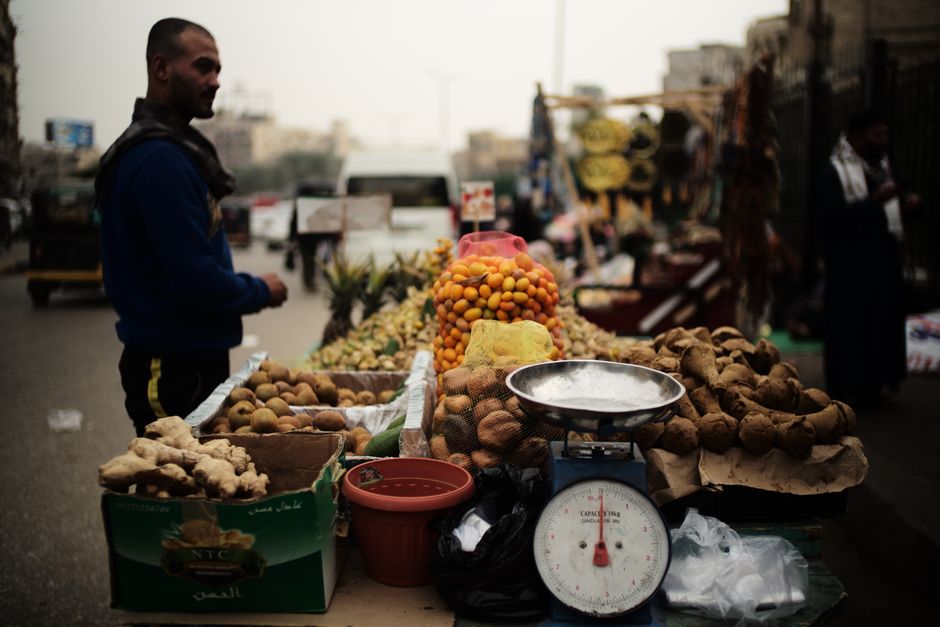
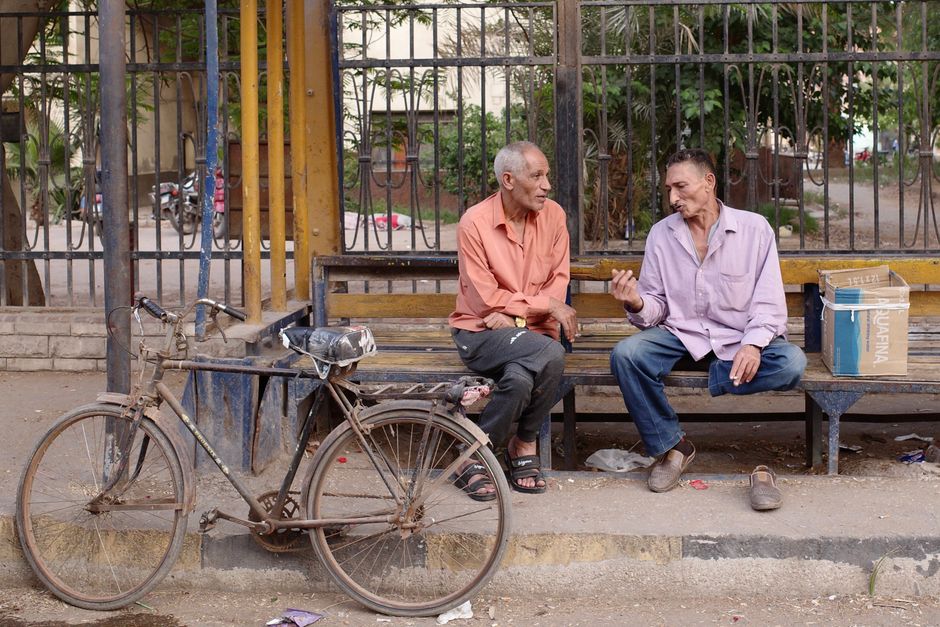
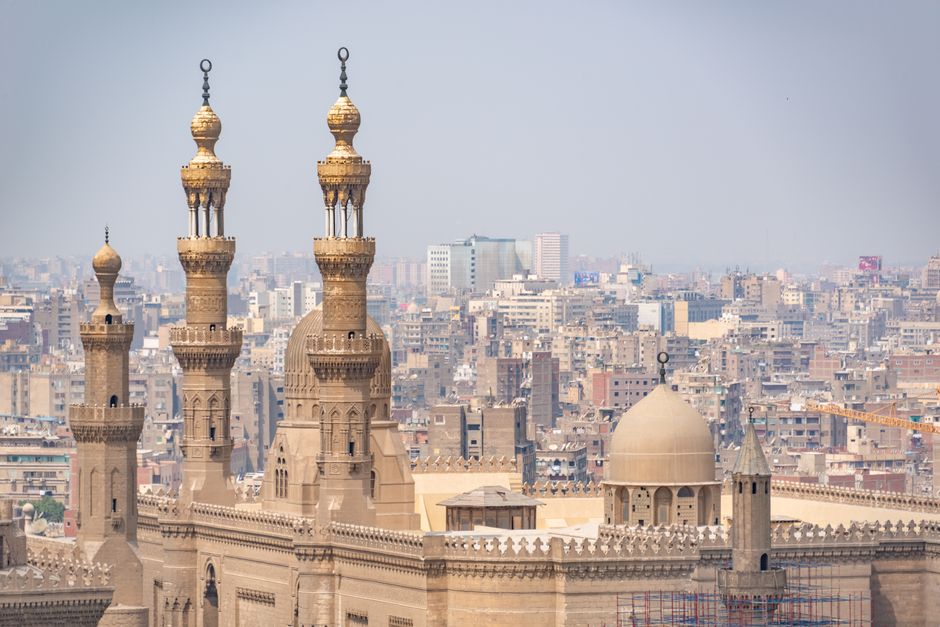
Walk through the Saturday farmers' market in Agouza, or peek into the new health-focused grocery sections sprouting across Garden City, and you'll notice something shifting in Cairo's eating habits. What began as whispered conversations among gym enthusiasts at Cleopatra Hospital's wellness centre has blossomed into a citywide conversation about food, nutrition, and the role local ingredients play in long-term health.
The trend is unmistakable. Nutritionists report a 40% increase in consultation requests over the past eighteen months, particularly among professionals in their thirties and forties working in downtown Cairo's business districts. Meanwhile, organic and health-conscious restaurants—once niche establishments—now occupy prime real estate on streets like Abdel Khalek Tharwat and throughout New Cairo developments.
What's driving this shift? Partly, it's a return to roots. The traditional Egyptian mezze—hummus, baba ganoush, fresh feta, olives, and seasonal vegetables—has suddenly been re-examined through a nutritional lens. What grandmothers knew instinctively about balancing legumes, olive oil, and vegetables now has scientific backing. Local nutritionists are actively promoting this heritage-meets-science approach, encouraging Cairenes to source ingredients from neighbourhood vendors rather than processed imports.
Price remains a factor. A kilogram of locally grown tomatoes costs roughly 8-12 Egyptian pounds at Zamalek's morning market, compared to imported alternatives at double the cost. This accessibility is crucial: wellness trends in Cairo only take root when they align with economic reality. The city's growing middle class sees value in preventative nutrition rather than reactive medical intervention.
The infrastructure is catching up, too. Several neighbourhoods now host weekly wellness-focused cooking classes—particularly in Heliopolis and Nasr City—where instructors teach portion control and nutrient-dense meal preparation using accessible local ingredients. Even casual conversation at cafés along the Nile Corniche has shifted; people discuss macronutrient balance the way they once discussed politics.
Fitness facilities recognising this trend have added nutritional counselling services. The connection feels natural: someone training for a 10-kilometre run along the Corniche wants guidance on fuelling their body correctly. They're turning to professionals who understand Cairo's food landscape.
This isn't about imported superfoods or extreme diets. It's about Cairenes reimagining their everyday relationship with food—whether that's choosing grilled fish at a local restaurant, buying seasonal produce directly, or preparing traditional dishes with renewed nutritional awareness. The wellness momentum is real, locally rooted, and building quietly but steadily across the city.
This article was compiled by AI and screened before publishing. See our editorial standards.