Cairo's wellness transformation is quietly unfolding in neighbourhood parks, community centres, and living rooms across the city. While stress-related disorders affect approximately 40% of Egyptians according to recent health surveys, a growing movement of locals is proving that mental health recovery is achievable through accessible, community-driven approaches to mindfulness and stress management.
The shift reflects a broader cultural change. Five years ago, mindfulness and meditation were niche interests in Egypt. Today, apps offering guided sessions in Arabic have surged in popularity, and organisations like the Mental Health Association of Egypt are increasingly visible in public health discourse. Local fitness studios along the Nile Corniche and near Tahrir Square now regularly offer meditation classes alongside traditional exercise programming, with monthly memberships typically ranging from 300–600 Egyptian pounds.
What makes Cairo's wellness story compelling is its grassroots nature. Community groups meeting in parks like Al-Azhar Park have become informal support networks where people share stress-management techniques—from breathing exercises to journaling practices adapted to local life rhythms. The park's serene pathways have become natural gathering points for early-morning walkers practicing mindfulness, turning exercise into meditation.
Healthcare providers at institutions like Cleopatra Hospital increasingly recognise that stress management prevents serious illness. Mental health counsellors there report that patients who combine conventional treatment with mindfulness practices show improved outcomes for anxiety and sleep disorders. The integration reflects Cairo's maturing approach to holistic wellness.
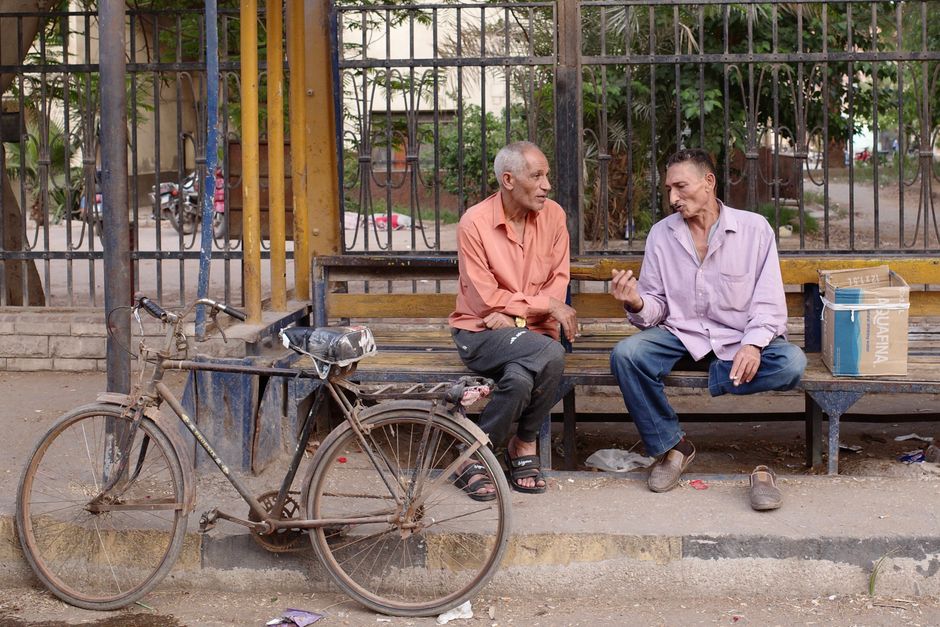
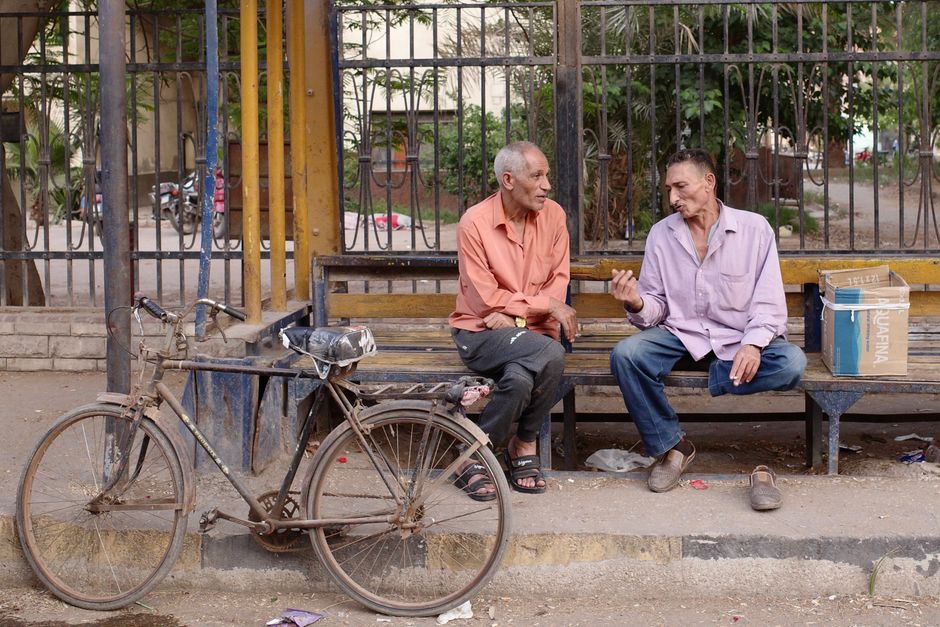
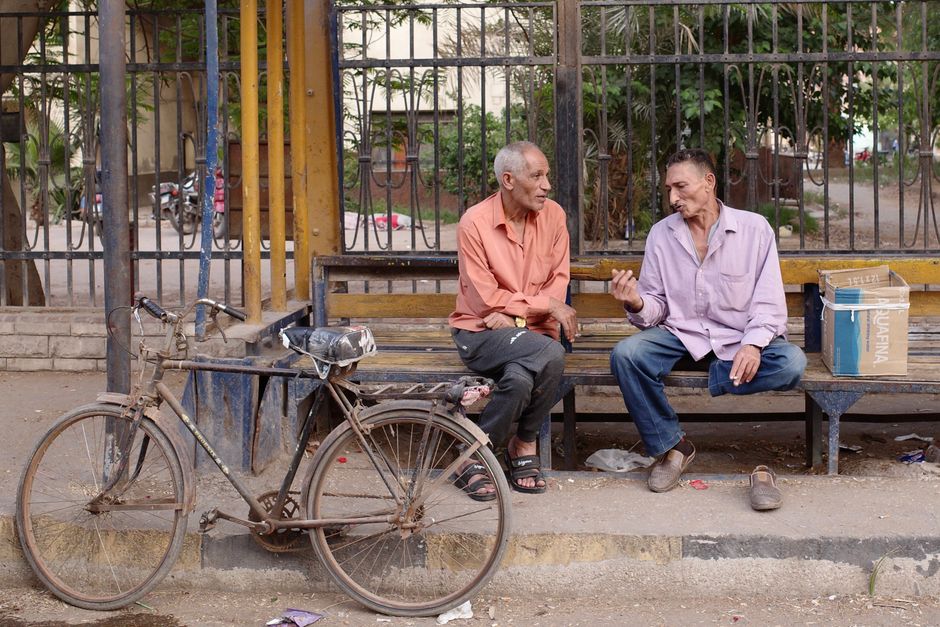
Neighbourhood-level initiatives matter too. In Heliopolis and Maadi, volunteer-led discussion groups have emerged, where residents share practical strategies for managing daily pressures—from workplace stress to navigating Cairo's infamous traffic and crowding. These informal gatherings cost nothing but create invaluable social connection, a proven buffer against mental illness.
The transformation isn't about rejecting Cairo's vibrant, fast-paced culture. Rather, it's about building resilience within it. Young professionals, parents, and retirees alike are discovering that even ten minutes of daily mindfulness practice—whether sitting by the Nile, practicing on apartment balconies, or using affordable local apps—yields measurable improvements in mood, focus, and overall wellbeing.
For those interested in exploring these practices, consulting with local healthcare professionals remains essential for personalised guidance. But the community stories emerging across Cairo demonstrate a hopeful truth: transformation happens not through isolation, but through connection, consistency, and the collective recognition that mental health matters.
This article was compiled by AI and screened before publishing. See our editorial standards.