From Isolation to Connection: How Cairo's Mental Health Community Is Transforming Lives
Local residents share how neighbourhood support networks and accessible wellness initiatives across Cairo are reshaping conversations around mental wellbeing.
Local residents share how neighbourhood support networks and accessible wellness initiatives across Cairo are reshaping conversations around mental wellbeing.

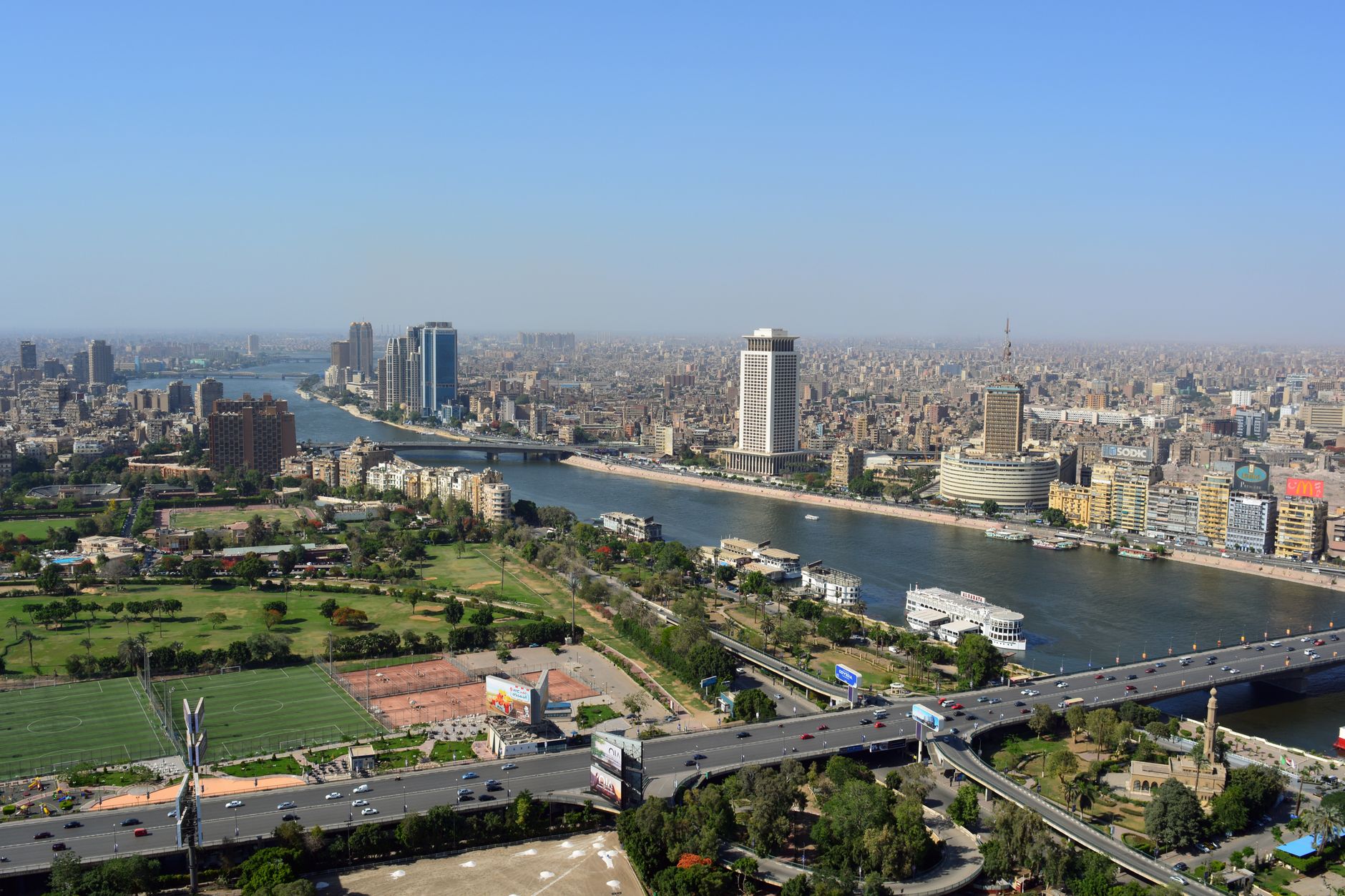
In the heart of Zamalek, where tree-lined streets meet the Nile's gentle banks, a quiet revolution in mental health support is taking root. Over the past two years, Cairo's wellness landscape has shifted dramatically, with community-led initiatives proving that transformation often begins not in clinical settings, but in familiar neighbourhoods and shared spaces.
The growth has been striking. Mental health awareness campaigns across Garden City and Heliopolis have seen participation rise by nearly 40% since 2024, according to data from local wellness organisations. Yet what's most significant isn't the statistics—it's the human stories underlying them.
At Al-Azhar Park, where hundreds gather for morning runs and evening walks, informal peer support networks have emerged organically. These spaces offer something Cairo's traditional healthcare system sometimes struggles to provide: accessible, judgment-free community connection. The park's accessibility—free entry during certain hours and situated centrally—has made it a natural gathering point for people prioritising both physical and mental wellbeing.
Similarly, cycling groups along the Nile Corniche have evolved beyond fitness pursuits. Riders from Maadi to Agouza report that the rhythmic motion and social engagement provide unexpected mental clarity. Local cycle shops in Dokki and Nasr City have begun hosting wellness-focused meetups, recognising their role as informal community health hubs.
Traditional Egyptian mezze culture, too, is being reframed as a mental health practice. Nutritionists and wellness practitioners increasingly emphasise how the social ritual of shared meals—gathering around hummus, tabbouleh, and conversation—supports emotional resilience and combats isolation, a growing concern in Cairo's fast-paced urban environment.
Cleopatra Hospital and other major medical centres have responded by expanding mental health services and partnering with grassroots organisations. Counselling sessions now average 300–500 EGP per hour at established facilities, though community-based support groups remain largely free or donation-based.
What distinguishes these transformations is their grassroots nature. Rather than top-down wellness mandates, Cairo's mental health evolution reflects neighbours supporting neighbours—whether through fitness groups, meal-sharing traditions, or simply creating safe spaces for conversation in parks and community centres across neighbourhoods from Helwan to New Cairo.
For anyone seeking local mental health support, starting with community initiatives—running clubs, wellness groups, or speaking with a trusted local medical professional—often proves more sustainable than isolation. Cairo's wellness community, built on connection and accessibility, continues proving that transformation thrives where people gather.
This article was compiled by AI and screened before publishing. See our editorial standards.
How does this story make you feel?
Spread the word
About this article
Published by The Daily Cairo
Daily brief
Free, in your inbox before 7am. Weekdays.
More in Wellness