Staying Mobile After 60 in Cairo: Evidence-Based Tips That Actually Work for Local Conditions
From heat management to accessible routes, here's what research shows really matters for active ageing in Egypt's capital.
From heat management to accessible routes, here's what research shows really matters for active ageing in Egypt's capital.
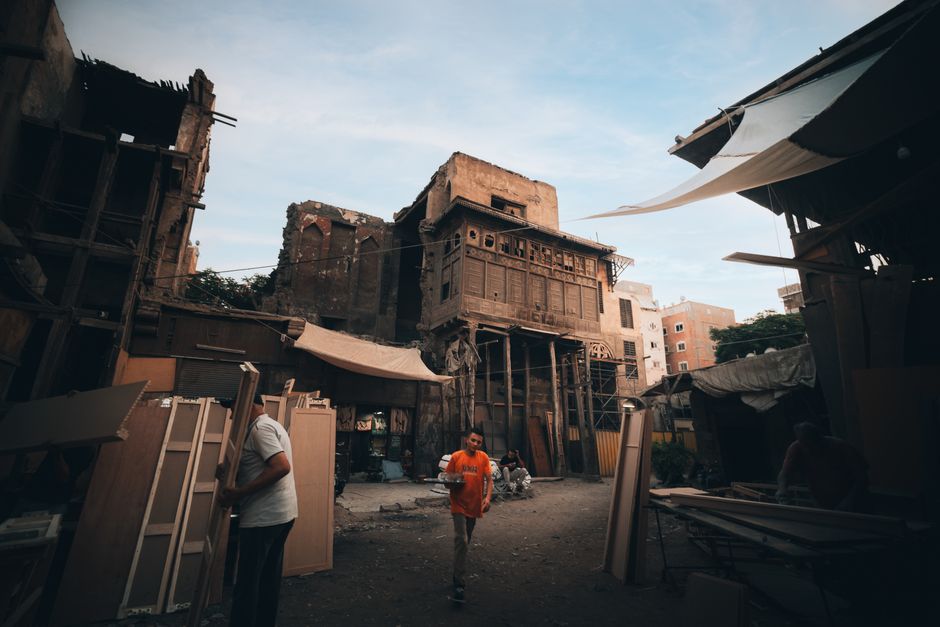
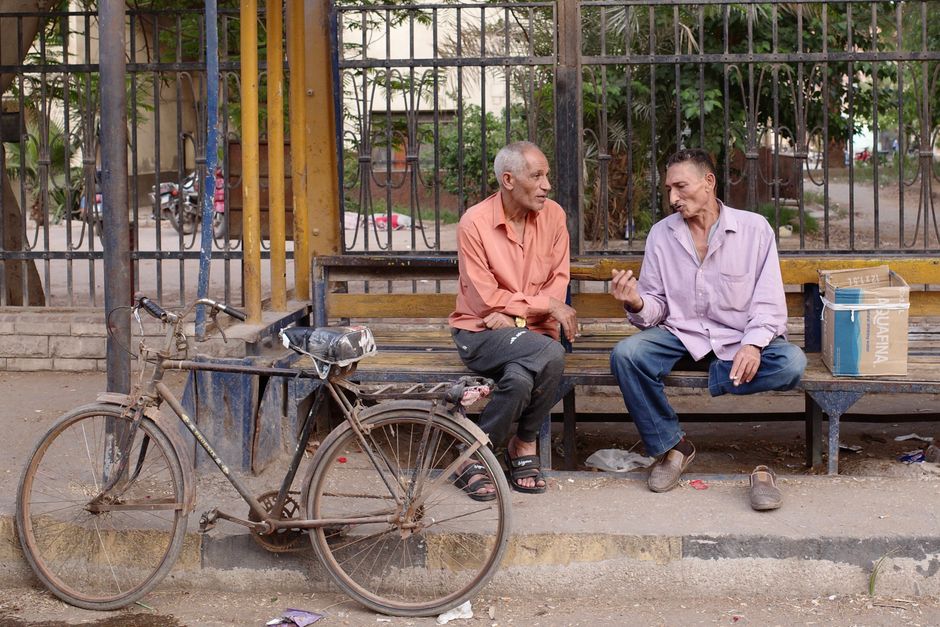
Cairo's senior population faces unique mobility challenges—extreme summer heat, uneven pavements, and air quality fluctuations that don't appear in most international wellness studies. Yet evidence-based strategies adapted to local conditions can meaningfully improve strength, balance, and independence for those over 60.
Start with timing and environment. Research consistently shows that consistent, moderate activity prevents muscle loss better than sporadic intense effort. In Cairo, this means early morning walks along Al-Azhar Park's landscaped routes or Nile Corniche paths before 8 a.m., when temperatures remain manageable and air quality is typically better. Studies from the American Journal of Preventive Medicine confirm that regular walkers aged 60+ maintain mobility twice as effectively as sedentary peers. The park's gentle inclines also naturally strengthen stabiliser muscles without requiring gym memberships—crucial given that Cleopatra Hospital's geriatric wellness unit reports that falls remain the leading injury cause for older Cairenes.
Heat adaptation matters more here than generic advice acknowledges. A 2024 study in the Journal of Aging and Physical Activity found that seniors in hot climates benefit from shorter, frequent movement sessions rather than sustained exercise. Three 15-minute walks daily proved more sustainable and safer than one 45-minute outing. Hydration isn't optional: water costs 2-5 EGP per bottle at neighbourhood kiosks, making it affordable to carry during outings.
Stairs and uneven terrain actually build resilience when approached safely. Rather than avoiding them, controlled stair work—holding railings in apartment buildings or public spaces—strengthens the leg muscles that prevent falls. This applies equally to navigating Zamalek's varied street levels or Downtown Cairo's older neighbourhoods.
Diet reinforces mobility. Egypt's traditional mezze culture—hummus, tahini, olive oil, fresh vegetables—naturally supports joint health and muscle maintenance. Incorporating local legumes and seasonal produce is both evidence-backed and culturally authentic. Protein intake of 1.0-1.2 grams per kilogram of body weight daily helps preserve muscle mass, according to current geriatric nutrition guidelines.
Finally, consistency trumps intensity. Mobility research from the Journal of the American Geriatrics Society shows that seniors who exercise three times weekly maintain independence significantly longer than occasional exercisers. Local community centres, some offering subsidised classes, provide structure and social connection—both protective factors for long-term health.
Cairo's geography and climate needn't be barriers. With thoughtful adaptation, they become assets for sustainable, evidence-based active ageing.
This article was compiled by AI and screened before publishing. See our editorial standards.
How does this story make you feel?
Spread the word
About this article
Published by The Daily Cairo
Daily brief
Free, in your inbox before 7am. Weekdays.
More in Wellness