Cairo's Quiet Revolution: How Yoga and Meditation Are Reshaping the City's Wellness Culture
From Zamalek studios to rooftop sessions overlooking the Nile, holistic practice is moving beyond trend to become a fixture in Egypt's capital.
From Zamalek studios to rooftop sessions overlooking the Nile, holistic practice is moving beyond trend to become a fixture in Egypt's capital.
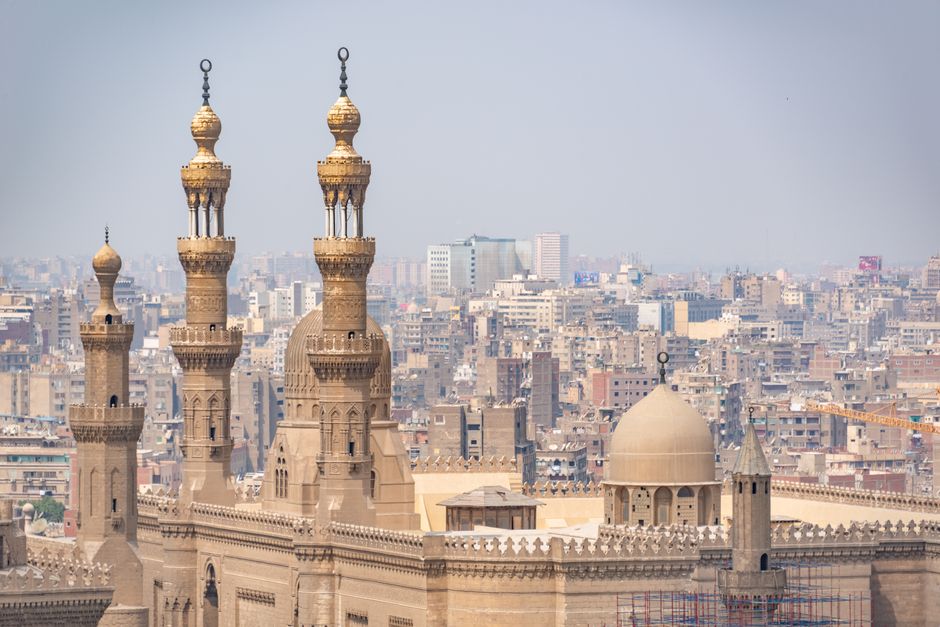
Five years ago, finding a yoga mat in Cairo meant ordering online or settling for improvisation. Today, dedicated studios line the streets of Zamalek, Garden City, and New Cairo's upscale neighbourhoods, while meditation circles have quietly taken root in unexpected corners—from corporate wellness programmes at Cleopatra Hospital to community spaces near Al-Azhar Park.
The shift reflects a broader awakening in the city. Cairo's wellness industry, once dominated by traditional gym culture and sports clubs, has begun embracing practices that address mental health and holistic balance alongside physical fitness. According to wellness professionals operating in the capital, the market for yoga and meditation instruction has grown by approximately 40 percent over the past three years, driven largely by young professionals, health-conscious residents, and expatriate communities seeking respite from the city's intensity.
"People are finally asking different questions," explains one longtime fitness educator based in Garden City. "They're not just asking 'How do I get stronger?' but 'How do I sleep better? How do I manage stress?' That shift opened the door for these practices."
Studio sessions typically range from 150 to 350 Egyptian pounds per class, with monthly packages offering modest discounts. Many studios now offer early-morning and evening slots to accommodate Cairo's working schedules, while weekend rooftop sessions—particularly near the Nile Corniche in Maadi and Heliopolis—have become informal social rituals for residents seeking community alongside practice.
The appeal extends beyond physical postures. In a city where traffic congestion, noise pollution, and pace of life create constant background stress, meditation workshops have found eager audiences. Wellness professionals report that beginner's meditation courses often fill within days of announcement, suggesting hunger for accessible mental health tools that complement Egypt's traditional healthcare approaches.
Local cultural factors have smoothed adoption too. Islamic spiritual practices—dhikr and contemplative prayer—share philosophical ground with meditation, making the transition feel less foreign to many Cairenes. Simultaneously, the holistic emphasis on balance resonates with Egypt's centuries-old wellness traditions and the contemporary Mediterranean-influenced healthy eating culture already embedded in local mezze dining.
Not everyone participates, of course. Yoga remains largely accessible to middle and upper-income residents, and accessibility gaps persist. Yet the trend signals something genuine: Cairo's wellness conversation is expanding. The quiet revolution isn't about replacing what came before—it's about adding tools for managing modern urban life in one of the world's most demanding cities.
This article was compiled by AI and screened before publishing. See our editorial standards.
How does this story make you feel?
Spread the word
About this article
Published by The Daily Cairo
Daily brief
Free, in your inbox before 7am. Weekdays.
More in Wellness