Sleep Science Meets Cairo Heat: Evidence-Based Rest Tips ...
Forget generic wellness advice—here's how to sleep better when you're navigating Cairo's climate, noise, and pace of life.
Forget generic wellness advice—here's how to sleep better when you're navigating Cairo's climate, noise, and pace of life.
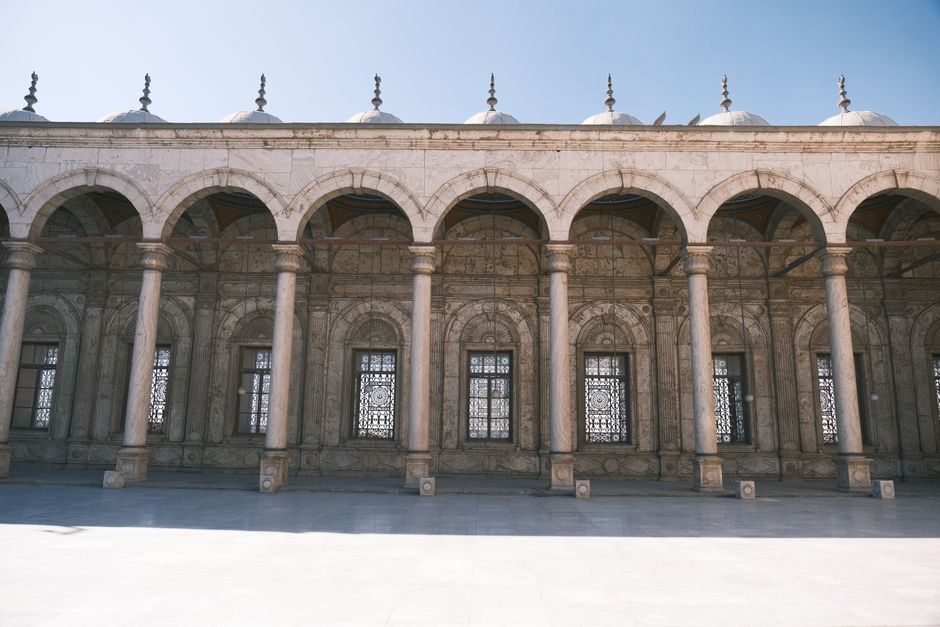
Cairo's unique challenges to quality sleep are well documented: summer temperatures regularly exceed 35°C, the Nile Corniche hums with traffic until late evening, and the call to prayer from neighbourhood mosques punctuates the night. Yet sleep science offers practical solutions tailored to our specific conditions—if you know where to look.
The most compelling evidence points to temperature management. Research consistently shows that cooler sleeping environments promote deeper rest, yet many Cairo residents keep windows closed against pollution and noise. The solution isn't counterintuitive: use a fan to circulate air and create white noise simultaneously. Studies from sleep institutes show that ceiling fans reduce perceived heat by up to 3°C while masking external sounds—a double win for those living near busy areas like downtown Cairo or Garden City.
Hydration timing matters more here than in cooler climates. While staying hydrated is essential during Cairo's intense heat, drinking water too close to bedtime disrupts sleep with bathroom trips. Evidence-based practice: drink your primary fluid intake between sunrise and 6 p.m., then taper consumption. This allows your body to regulate temperature overnight without sleep fragmentation.
Light exposure timing is non-negotiable in Cairo's bright environment. Morning walks along the Nile Corniche or through Al-Azhar Park between 6:30 and 7:30 a.m.—when UV intensity is lower but light is still bright—help reset your circadian rhythm. This single practice, backed by decades of chronobiology research, often produces more noticeable sleep improvements than expensive interventions.
The Egyptian diet actually supports better sleep when timed correctly. Traditional mezze dishes rich in chickpeas, tahini, and vegetables contain magnesium and tryptophan, both linked to improved sleep quality. However, the local practice of heavy evening meals works against sleep physiology. Lighter dinners by 7 p.m., with heavier meals at lunch, aligns eating patterns with your body's natural wind-down.
Finally, address the noise reality directly. Rather than fight it, many sleep specialists now recommend accepting Cairo's soundscape through strategic earplugs—foam options cost 15–30 EGP at local pharmacies—combined with consistent sleep schedules. Your brain adapts to predictable patterns faster than to silence.
None of these approaches requires expensive supplements or sleep clinics. They simply acknowledge that sustainable sleep wellness in Cairo means working with local conditions, not against them. For persistent sleep issues, consulting professionals at Cleopatra Hospital's sleep medicine department remains advisable.
This article was compiled by AI and screened before publishing. See our editorial standards.
How does this story make you feel?
Spread the word
About this article
Published by The Daily Cairo
Daily brief
Free, in your inbox before 7am. Weekdays.
More in Wellness