Stay Mobile After 60: Evidence-Based Tips That Actually Work in Cairo's Climate and Streets
Forget generic advice—here's what mobility research shows really works when you're navigating Cairo's heat, terrain, and daily rhythms.
Forget generic advice—here's what mobility research shows really works when you're navigating Cairo's heat, terrain, and daily rhythms.
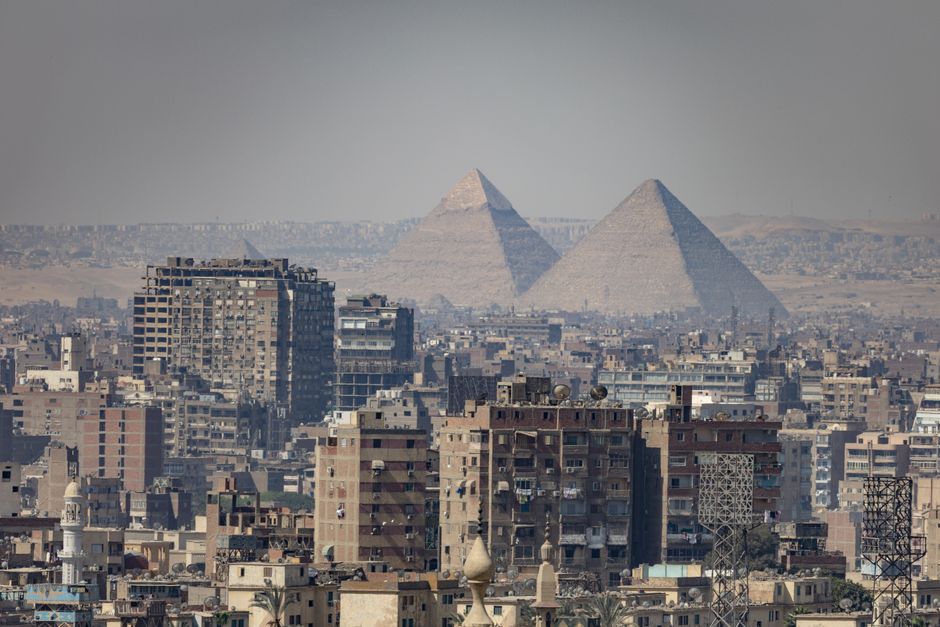
Cairo's senior population faces a unique mobility challenge: extreme heat, uneven pavements, and urban sprawl that doesn't always accommodate slower movement. Yet emerging evidence suggests that tailored, locally-smart approaches can meaningfully preserve independence well into later life.
The first evidence-backed insight is timing. Research consistently shows that exercising during Cairo's cooler dawn hours—say 5:30 to 7:00 am—reduces heat-related strain on joints and cardiovascular systems. Many seniors in Maadi and Heliopolis have discovered that early walks along the Nile Corniche not only avoid the 40°C midday temperatures, but offer gentler, flatter terrain than neighbourhood streets. Studies confirm that consistency matters more than intensity; three 20-minute walks weekly outperforms sporadic longer sessions for maintaining mobility.
Second, strength work prevents falls—Egypt's leading cause of injury-related mortality in adults over 65. The good news: you don't need a gym. Physiotherapy research shows that bodyweight exercises performed at home—chair squats, wall push-ups, standing on one leg while brushing teeth—reduce fall risk by up to 30 percent. Cleopatra Hospital's physiotherapy department has documented that Egyptian seniors who combine these micro-sessions with balance training show measurable improvement in stair navigation and street crossing confidence within eight weeks.
Third, footwear matters more than most realise. Cairo's potholed pavements and kerbs demand proper support. Evidence supports investing in shoes with firm heel counters and cushioning—not expensive brands, but specifically designed walking shoes available at pharmacies across Downtown Cairo and Zamalek. Poor footwear is linked to 40 percent of mobility decline in older adults living in urban environments.
Local dietary context also supports mobility. Egypt's traditional mezze culture—hummus, falafel, leafy greens, olive oil—aligns perfectly with anti-inflammatory eating patterns that preserve joint function. Studies show that seniors maintaining Mediterranean-style diets experience 25 percent slower mobility decline than those eating processed foods.
Finally, community matters. The growing fitness networks around Al-Azhar Park now include senior-focused groups. Social walking groups reduce isolation and boost adherence; research shows that seniors who exercise with peers maintain consistency 60 percent longer than solo exercisers.
The evidence is clear: mobility preservation isn't about exotic interventions. It's about respecting Cairo's climate, choosing safe routes, investing in basics like shoes and strength work, and showing up consistently. Start with your doctor's clearance—then start moving.
This article was compiled by AI and screened before publishing. See our editorial standards.
How does this story make you feel?
Spread the word
About this article
Published by The Daily Cairo
Daily brief
Free, in your inbox before 7am. Weekdays.
More in Wellness