Walk along the Nile Corniche on any evening and you'll spot joggers, cyclists, and families enjoying the breeze. Yet ask those same people about their daily stress-management practices, and the picture shifts dramatically. While global wellness platforms report that meditation app downloads surged 200% between 2022 and 2025, uptake in Cairo remains far more modest—a gap that local mental health professionals say reflects deeper cultural and economic divides.
"Mindfulness in the West has become commodified," says the wellness community in Cairo, where boutique yoga studios in Zamalek and Heliopolis charge between 150–300 Egyptian pounds per class—pricing that excludes the majority. Meanwhile, international platforms like Calm and Headspace have gained traction mainly among upper-income, English-speaking users. A 2024 survey by a Cairo-based digital health initiative found that only 12% of respondents in Greater Cairo actively used meditation or mindfulness apps, compared to 31% globally.
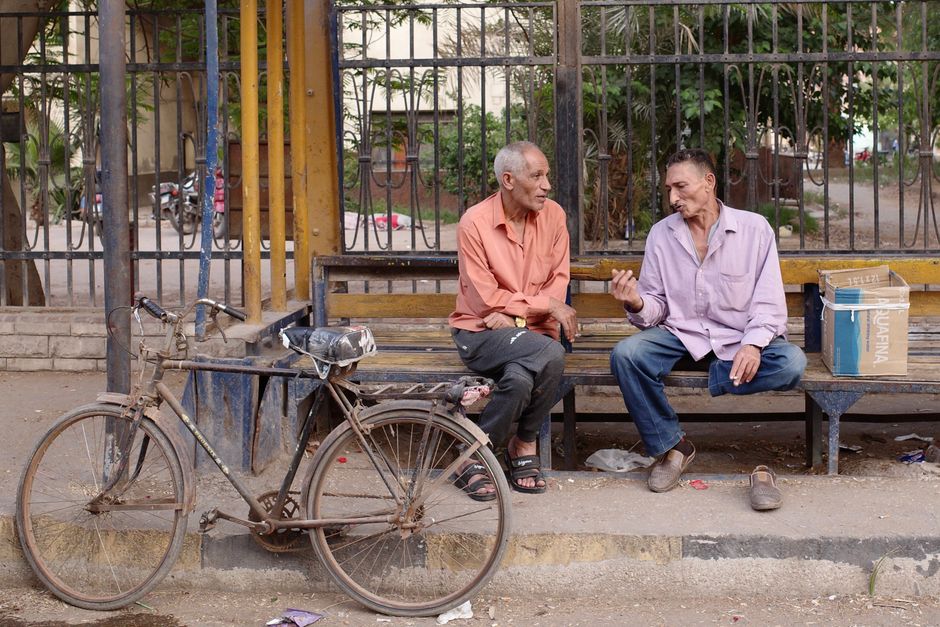
The contrast raises an important question: are imported wellness trends actually serving Cairo's needs? Local practitioners increasingly argue they aren't. Traditional practices—prayer, communal gatherings, family-centered coping—remain Egypt's primary stress-relief mechanisms. The Egyptian mezze culture itself embodies mindfulness principles: shared meals, conversation, presence. Yet these rarely feature in global wellness discourse.
Change is stirring, however. Community-led initiatives in neighbourhoods like Maadi and New Cairo are exploring hybrid models. Al-Azhar Park, free and accessible, has become an informal wellness hub where residents practise tai chi and walking meditation without subscription fees. Several NGOs now offer Arabic-language mental health resources, acknowledging that stress-management advice loses resonance when delivered in English or framed through Western psychology alone.
Cleopatra Hospital and other major clinics have begun integrating mindfulness into stress-management programs, though accessibility remains inconsistent. The gap between global trends and local reality isn't merely about apps or studios—it's about relevance, affordability, and cultural fit.
The takeaway is clear: Cairo's wellness renaissance needn't mirror Silicon Valley's. Instead, the most sustainable approach integrates proven global evidence—the neurological benefits of meditation, the physiology of breathing techniques—with local wisdom, community structures, and economic realities. Until then, Cairo's residents will likely continue relying on time-tested remedies: family, faith, and the Nile itself.
This article was compiled by AI and screened before publishing. See our editorial standards.