Morning walks and stair climbing: the daily habits keeping Cairo's seniors moving
As Egypt's population ages, locals across the capital are proving that staying mobile doesn't require expensive gyms—just consistency and neighbourhood know-how.
As Egypt's population ages, locals across the capital are proving that staying mobile doesn't require expensive gyms—just consistency and neighbourhood know-how.
Dr Amira Hassan, director of geriatric wellness at Cleopatra Hospital, has observed a quiet shift over the past three years. More adults over 60 are arriving for routine check-ups with improved balance, stronger grip strength, and reduced joint complaints. The reason, she notes, isn't miraculous—it's habitual.
"What we're seeing now is people understanding that movement doesn't have to be structured or costly," Hassan explains. "They're using their environment."
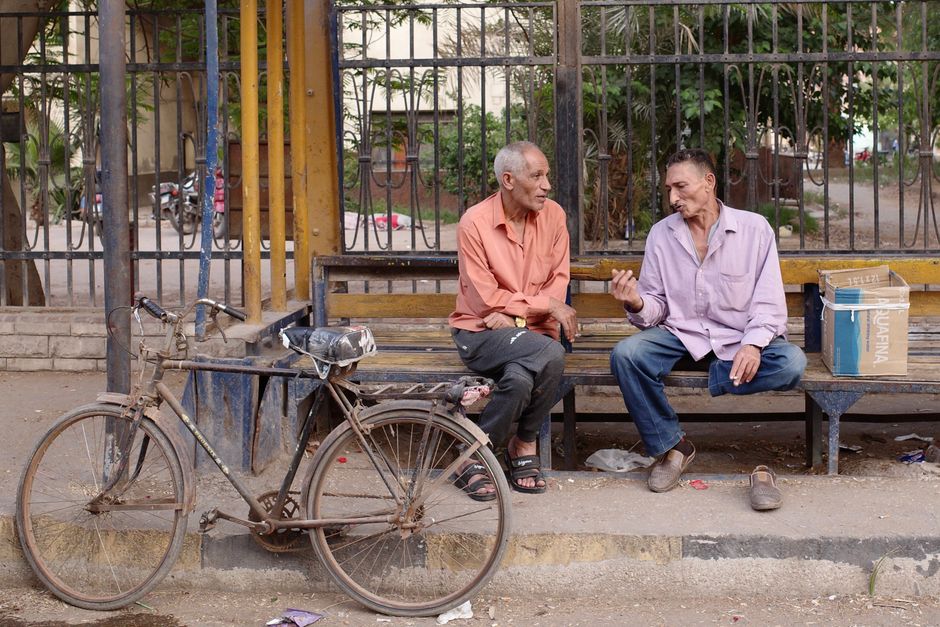
In neighbourhoods from Dokki to Heliopolis, seniors are building sustainable mobility routines around Cairo's natural geography. The pattern is emerging: early morning or evening sessions, low-cost accessibility, and social connection.
Nile Corniche has become informal headquarters for this shift. Regular walkers report that a 45-minute stroll between Gezira and Qasr El Nile costs nothing, suits various fitness levels, and fits into daily life. The surface is relatively even, shaded sections are abundant, and the social dimension—crossing paths with neighbours, friends, and informal walking groups—adds psychological benefit beyond cardiovascular gain.
Al-Azhar Park, which charges a modest 10 Egyptian pounds for entry, has become similarly popular. The park's sloped terrain naturally builds leg strength and bone density without feeling like exercise. Visitors report that climbing its pathways, repeated several times weekly, has improved their stair management at home and in apartment buildings across central Cairo.
Inside residential areas, stairs themselves have become unsung wellness tools. Several seniors across Garden City and Zamalek have adopted deliberate stair-climbing routines—ascending and descending slowly, holding railings, three to four times weekly. Combined with daily household tasks that require movement—sweeping, cooking standing up, light gardening on balconies—the cumulative effect is substantial.
Mezze culture also plays an underestimated role. Traditional Egyptian mezze—hummus, baba ganoush, fresh vegetables, olive oil—aligns with anti-inflammatory nutritional needs for ageing joints. Local markets in Khan El-Khalili and neighbourhood produce vendors on Talaat Harb Street stock these foods affordably, making dietary consistency achievable without specialist supplements or expensive meal plans.
The success pattern is consistent: daily movement that's free or nearly free, socially embedded, and non-intimidating. No gym membership required. No specialist equipment. No performance pressure.
For those considering similar habits, local physiotherapy clinics across Cairo—including those affiliated with Ain Shams University's rehabilitation department—offer affordable initial assessments (typically 150–300 pounds) to tailor routines to individual needs.
The emerging wellness story in Cairo isn't about transformation through technology. It's about rediscovering what's always been accessible: neighbourhood geography, consistency, and the understanding that staying mobile at 65, 70, or 80 is fundamentally about showing up daily, not dramatically.
This article was compiled by AI and screened before publishing. See our editorial standards.
How does this story make you feel?
Spread the word
About this article
Published by The Daily Cairo
Daily brief
Free, in your inbox before 7am. Weekdays.
More in Wellness