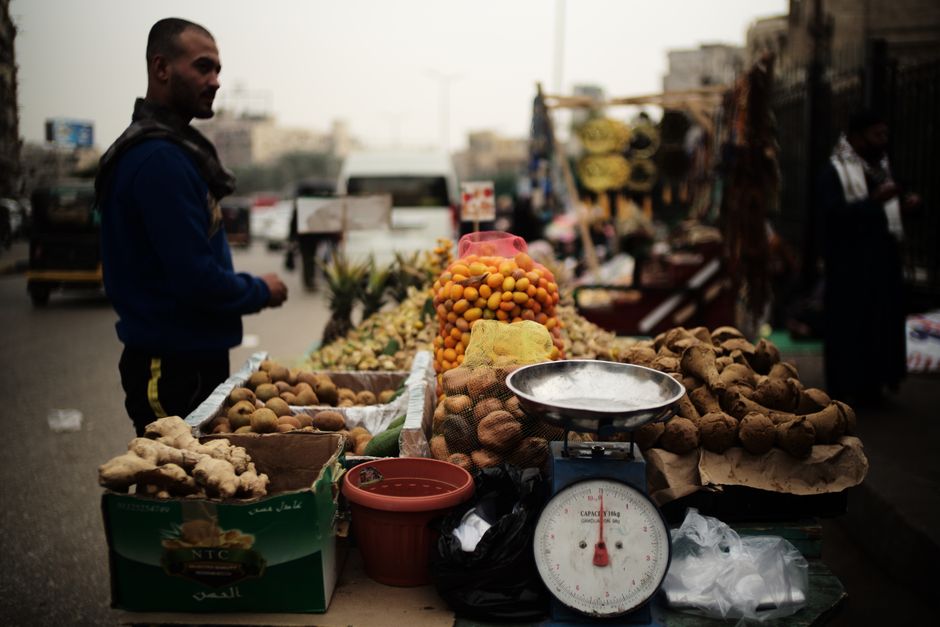
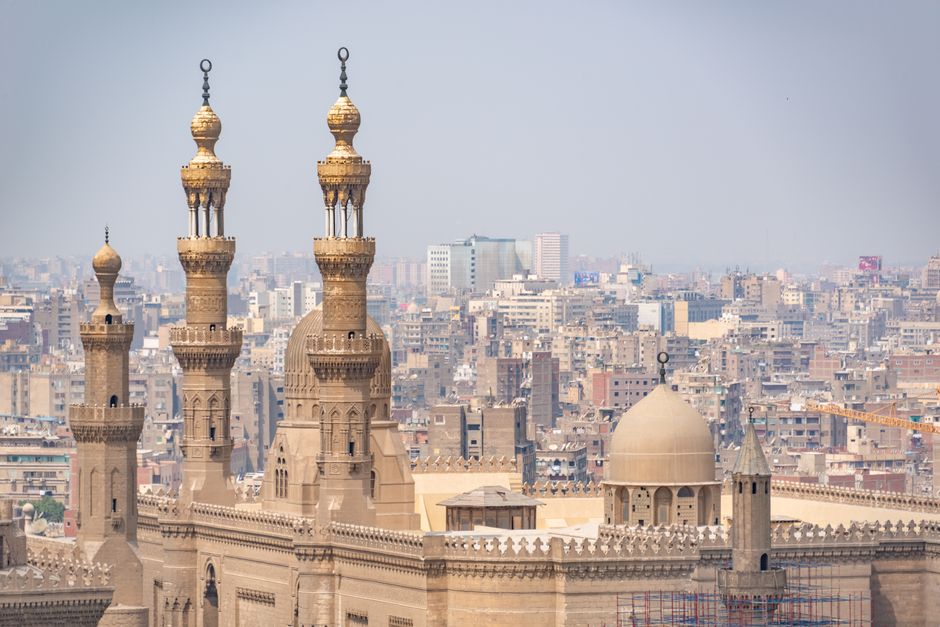
Walk into a café along Heliopolis's tree-lined streets these days, and you'll notice something shifting. Beside the traditional ful and ta'ameya stands, diners are asking questions their parents rarely did: Where did this olive oil come from? How much sodium is in this hummus? Is there a quinoa option?
Cairo's relationship with food is evolving. For decades, the city's wellness narrative centred on traditional Egyptian mezze—the vegetable-forward, oil-rich diet that nutritionists worldwide now praise. Yet younger generations, fitness enthusiasts frequenting Al-Azhar Park's growing running community, and office workers cycling along the Nile Corniche are demanding something new: transparency, nutritional clarity, and access to both heritage foods and contemporary healthy eating frameworks.
The shift is visible in neighbourhood pockets across the city. In Zamalek and Garden City, juice bars and healthy bowl restaurants have multiplied by an estimated 40 per cent since 2023, according to informal surveys by Cairo's emerging wellness community. Prices range from 50 to 120 Egyptian pounds for a prepared healthy meal—affordable for Cairo's middle class, yet still premium positioning compared to street food. Several organic produce initiatives now operate weekly markets in Maadi and New Cairo, where shoppers pay roughly 30 per cent more than supermarket prices but gain certified sourcing information.
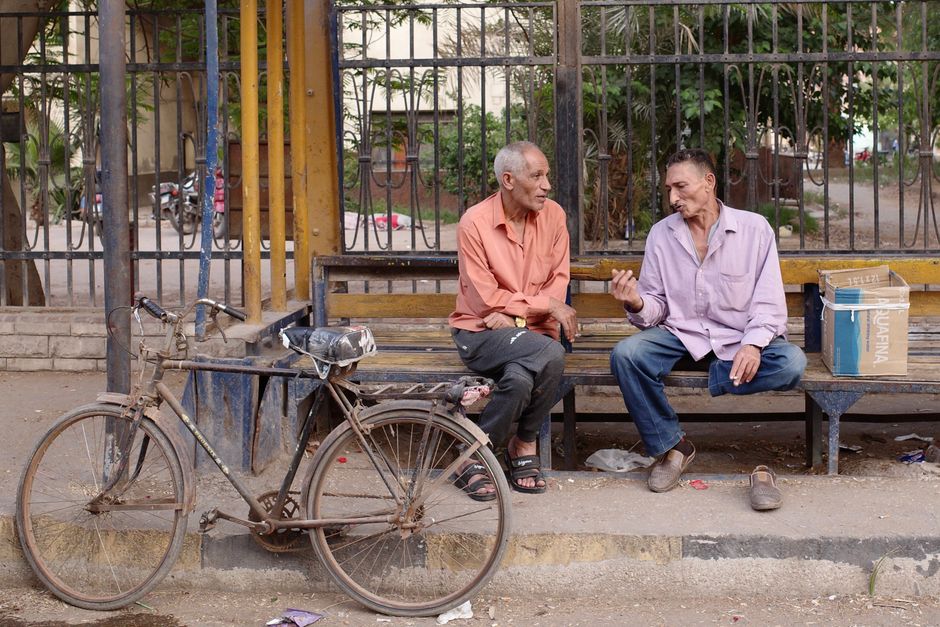
Yet Cairo's wellness nutrition trend remains uneven. Outside affluent neighbourhoods, access to quality information—not just ingredients—remains limited. Many residents still navigate nutrition through family tradition rather than dietary science. The Egyptian health ministry has not mandated comprehensive nutritional labelling on packaged foods, leaving consumers to trust brand reputation or price point as proxies for quality.
Local organisations are filling gaps. Several Cairo-based nutritionists and wellness coaches now offer online consultations and community workshops, often emphasising that Egypt's traditional diet—rich in legumes, vegetables, and whole grains—already aligns with modern nutritional guidelines. The message resonates: eating well in Cairo doesn't require imported superfoods; it requires intention.
For residents new to nutrition awareness, the baseline advice remains consistent: consult a local medical professional before making significant dietary changes. But the cultural permission to ask questions about what you eat—once rare in a city where food abundance itself signified wellness—is itself a form of progress. Cairo's food revolution isn't about rejecting its culinary heritage. It's about understanding it better.
This article was compiled by AI and screened before publishing. See our editorial standards.