Cairo's Sleep Revolution: How the City is Finally Taking Rest Seriously
From Zamalek wellness studios to Downtown sleep clinics, Cairenes are discovering that quality slumber isn't a luxury—it's the foundation of everything else.
From Zamalek wellness studios to Downtown sleep clinics, Cairenes are discovering that quality slumber isn't a luxury—it's the foundation of everything else.
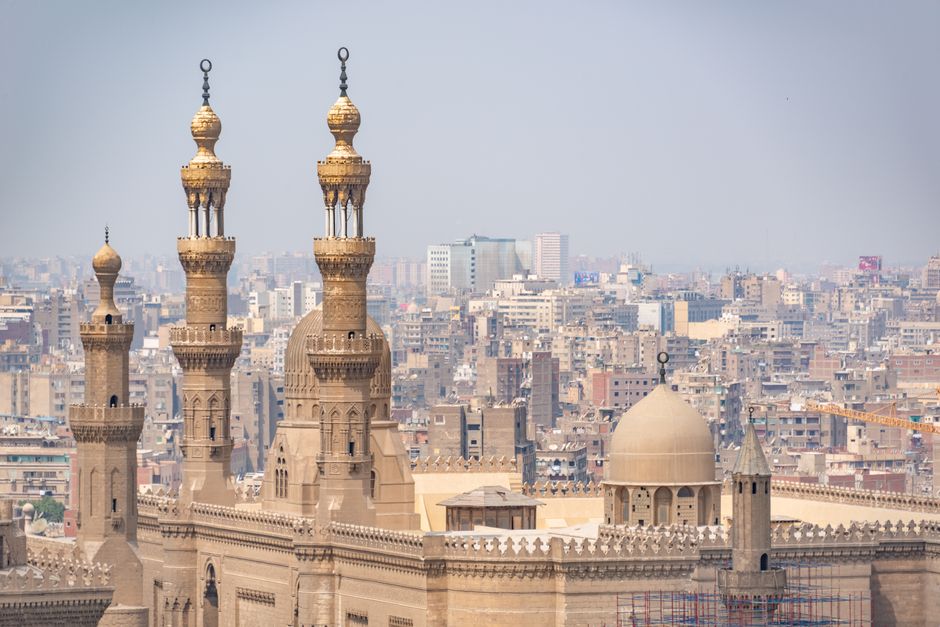
Five years ago, mentioning a bedtime routine in Cairo was met with bemused shrugs. The city that never sleeps, the saying went, wasn't built for eight hours of unconsciousness. But something has shifted. Walk through the corridors of Cleopatra Hospital's newly expanded sleep disorders clinic, or scroll past the proliferation of wellness accounts on social media promoting circadian rhythm awareness, and you'll see evidence of a quiet revolution taking hold in Egypt's capital.
The trend mirrors global wellness priorities, but it's manifesting distinctly here. "We've seen a 40% increase in sleep consultations over the past two years," says the wellness sector, with new sleep-focused clinics opening in Garden City and Heliopolis. Local gyms along the Nile Corniche now offer evening yoga classes explicitly designed to aid sleep quality, capitalizing on the cooler night air and the river's natural calming effect.
The shift reflects deeper changes in how Cairo's young professionals and families view health. Where previous generations associated wellness with punishing gym sessions or restrictive diets, today's wellness-conscious Cairenes increasingly recognize that sleep underpins everything—immunity, mental clarity, metabolic health, even exercise recovery. Studios in Zamalek and New Cairo are offering "sleep hygiene workshops" targeting shift workers, students cramming for exams, and parents managing Cairo's notorious traffic-induced stress.
Practically, this means more people investing in quality mattresses and blackout curtains—luxury items that Cairo's growing middle class now prioritizes. Sleep tracking apps have found eager users here, though digital wellness coaches note that consistent electricity remains a barrier for some. Meanwhile, the Mediterranean elements of Egypt's traditional mezze-based diet—rich in magnesium and omega-3s—have gained new appreciation as sleep-supporting nutrition.
The trend also reflects Cairo's changing relationship with time itself. As remote work becomes more common post-pandemic, rigid 9-to-5 schedules have loosened, allowing more flexibility around sleep schedules that actually align with individual chronotypes. For night owls, this is liberating; for early risers, it validates natural rhythms long suppressed by urban demands.
Of course, Cairo's infrastructure challenges remain. Noise pollution, heat, and inconsistent power supply still plague many neighborhoods, making quality sleep elusive for millions. Yet the growing visibility of sleep wellness in gyms, hospitals, and wellness conversations signals that Cairo's health conversation is maturing—acknowledging that rest isn't laziness, but rather the prerequisite for everything else that makes a full life possible.
This article was compiled by AI and screened before publishing. See our editorial standards.
How does this story make you feel?
Spread the word
About this article
Published by The Daily Cairo
Daily brief
Free, in your inbox before 7am. Weekdays.
More in Wellness