Golden Years, Active Lives: How Cairo's Seniors Are Redefining Wellness Together
From sunrise jogs along the Nile Corniche to group cycling adventures, older Cairenes are building stronger bodies and communities through shared movement.
From sunrise jogs along the Nile Corniche to group cycling adventures, older Cairenes are building stronger bodies and communities through shared movement.

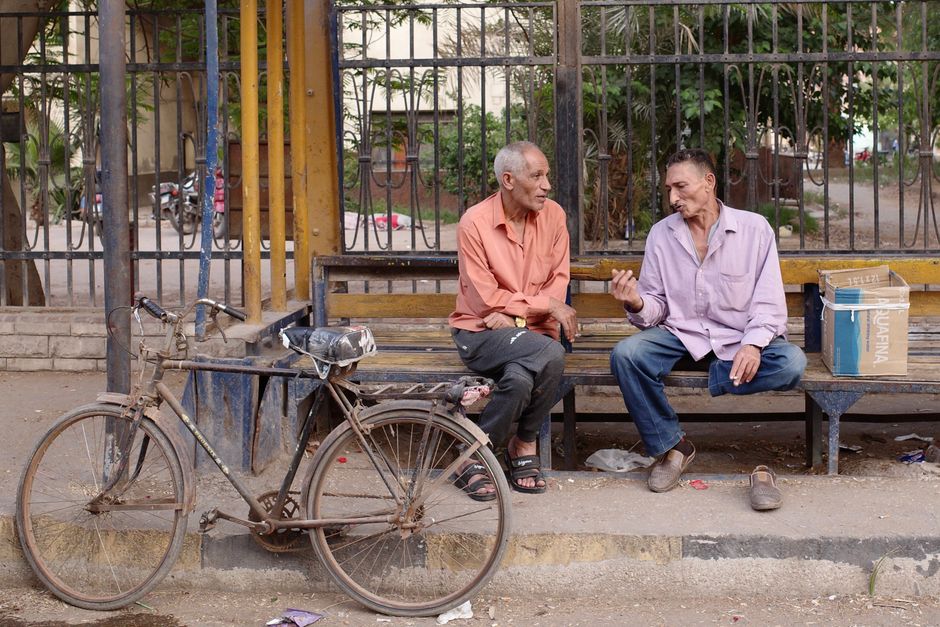
On any given morning, the tree-lined pathways of Al-Azhar Park hum with purposeful footsteps. Men and women in their sixties, seventies, and beyond navigate the terraced gardens in small clusters, some walking briskly, others moving at a measured pace that prioritizes form over speed. This quiet revolution in senior wellness is transforming how Cairo's older adults approach health, mobility, and belonging.
The shift reflects a broader trend across Egypt's capital. According to recent data from the Egyptian Ministry of Health, nearly 8 percent of Cairo's population is now over 60—a demographic surge that has sparked grassroots responses from residents themselves. Rather than waiting for institutional programs, community groups have organically formed around accessible physical activity. Walking clubs meet at sunrise near Gezira Island; cycling groups depart from the Nile Corniche's northern stretches; and informal fitness gatherings have sprouted in neighborhoods like Heliopolis and Maadi.
What makes these initiatives particularly resonant is their integration with Cairo's existing wellness culture. Many groups incorporate principles of the traditional Egyptian mezze diet—emphasizing olive oil, legumes, and seasonal vegetables—into post-activity social gatherings. The cost barrier, often prohibitive in formal gyms, dissolves when activity centers on public spaces and peer support.
Local healthcare providers have noticed the momentum. Cleopatra Hospital's rehabilitation department reports increased inquiries from seniors seeking guidance on sustainable movement practices, particularly around joint health and fall prevention. Physiotherapists now commonly recommend community-based activity as complementary to clinical care, recognizing what research increasingly confirms: social connection during exercise significantly improves adherence and outcomes for older adults.
These transformations rarely make headlines. They happen in the everyday commitment of neighbors who encourage one another to show up, move gently, and stay consistent. A retired educator might lead a walking group through Zamalek's quieter streets; a former accountant organizes weekend cycling routes that accommodate varying fitness levels; a grandmother teaches tai chi principles to peers in her apartment building's courtyard.
For Cairo's seniors, the message is clear: mobility and vitality are not luxuries reserved for the young or wealthy. They emerge from consistency, community, and accessible spaces—the very ingredients Cairo's neighborhoods already provide. As more older residents discover this locally rooted approach to active aging, the city's parks and waterfronts are becoming unexpected wellness centers, proof that transformative health change often begins not in specialized facilities, but simply by showing up together.
This article was compiled by AI and screened before publishing. See our editorial standards.
How does this story make you feel?
Spread the word
About this article
Published by The Daily Cairo
Daily brief
Free, in your inbox before 7am. Weekdays.
More in Wellness