The Science Behind Senior Mobility: What Research Reveals About Active Ageing in Cairo
New studies show how structured movement and early intervention can preserve independence—and Cairo's wellness infrastructure is finally catching up.
New studies show how structured movement and early intervention can preserve independence—and Cairo's wellness infrastructure is finally catching up.
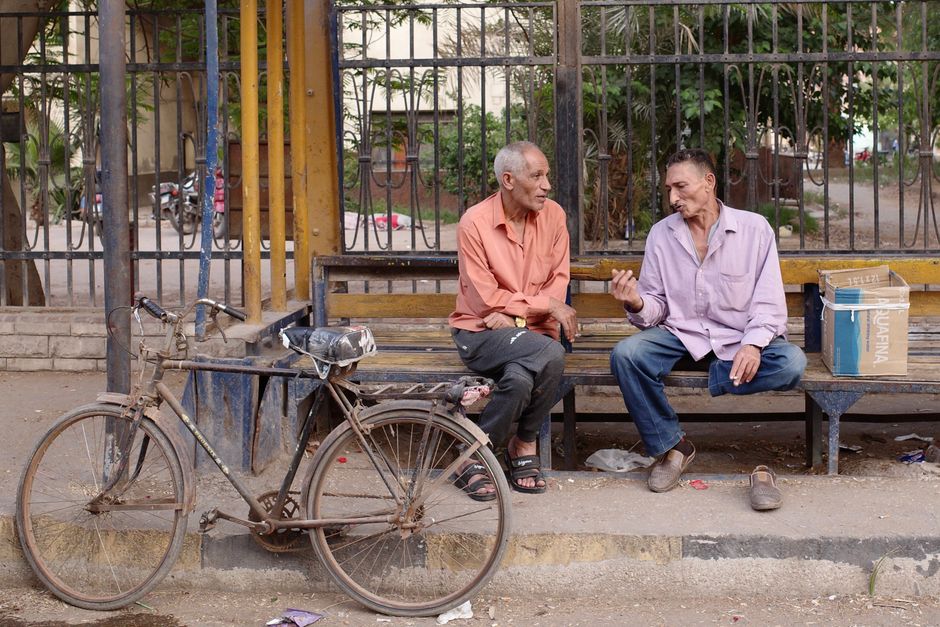
Cairo's demographic shift is unmistakable. According to Egypt's Central Agency for Public Mobilisation and Statistics, adults over 60 now represent nearly 9% of the capital's population—a figure projected to climb sharply by 2030. Yet the scientific case for active ageing remains poorly understood among many residents, even as research accumulates on its transformative effects.
Recent gerontological studies, particularly those from institutions tracking ageing populations in comparable climates, reveal a consistent pattern: structured mobility work in seniors prevents not just muscle loss, but cognitive decline and fracture risk. A meta-analysis published by the American Journal of Preventive Medicine found that adults aged 65+ who engaged in regular weight-bearing and balance activities reduced fall risk by up to 46%—and maintained independence an average of 7–8 years longer than sedentary peers.
For Cairenes, this research carries immediate practical weight. The city's recent wellness expansion—from the tree-lined running circuits at Al-Azhar Park to the emerging fitness centres along the Nile Corniche near Garden City—now offers venues specifically designed for older adults. Cleopatra Hospital's geriatric rehabilitation wing, expanded in 2024, now incorporates evidence-based mobility protocols targeting joint preservation, a critical concern in Egypt's heat.
"Smaller doses of exercise distributed throughout the week outperform occasional intense sessions," explains the consensus in current sports medicine literature. For seniors navigating Cairo's climate and terrain, this means 20–30 minute walks along the Corniche or Al-Azhar's pathways, three to four times weekly, produce measurable gains in balance and cardiovascular resilience.
The role of cultural diet cannot be overlooked either. Egypt's traditional mezze approach—hummus, olive oil, legumes—aligns naturally with gerontological nutrition science, reducing inflammation and supporting muscle maintenance without expensive supplements.
Yet barriers persist. Wellness facilities in central Cairo (Heliopolis, Zamalek, New Cairo) remain expensive for many seniors—typical gym memberships range from 300–500 Egyptian pounds monthly. Public awareness campaigns, particularly in working-class neighbourhoods, lag significantly behind the science.
The evidence is clear: active ageing isn't luxury wellness rhetoric. It's grounded in rigorous research showing that consistent, moderate movement preserves the independence Cairenes value most. As the city's fitness infrastructure matures, translating that science into accessible, culturally appropriate programmes remains the next frontier.
For personalised mobility advice, consult a local geriatrician or physiotherapist at institutions like Cleopatra Hospital or your neighbourhood health centre.
This article was compiled by AI and screened before publishing. See our editorial standards.
How does this story make you feel?
Spread the word
About this article
Published by The Daily Cairo
Daily brief
Free, in your inbox before 7am. Weekdays.
More in Wellness