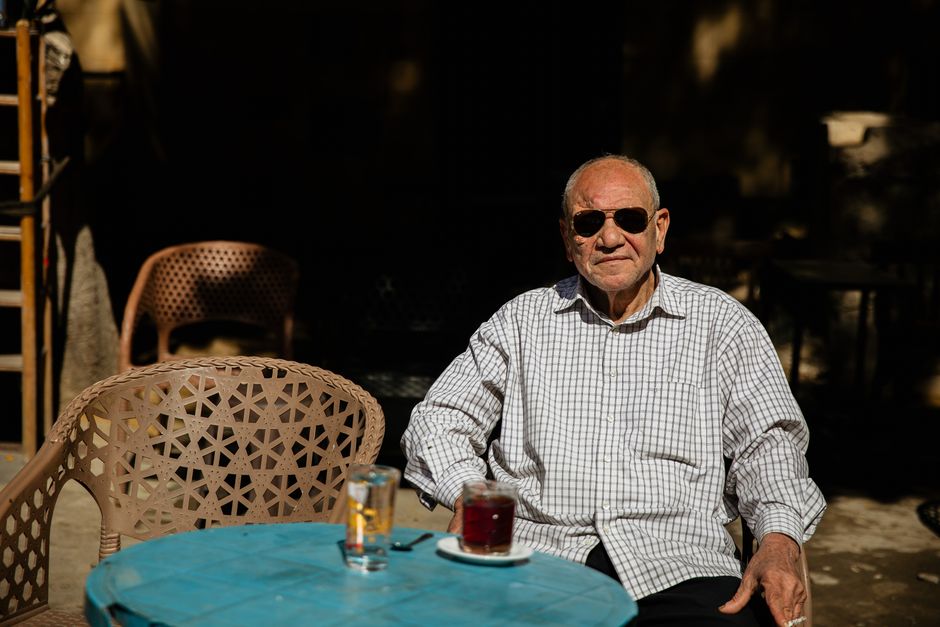
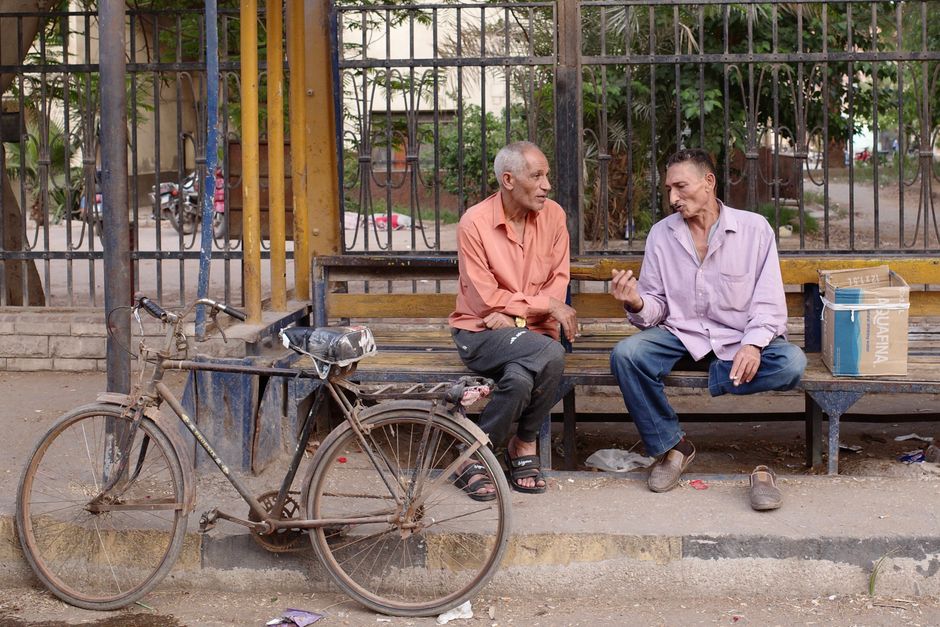
When Zahra, 67, takes her morning walk along the Nile Corniche near Zamalek, she is far from alone. Yet her routine—a gentle stroll, no smartwatch, no structured program—represents a wellness gap that global health organisations are increasingly trying to bridge.
Globally, the active ageing movement has exploded. In the US and Europe, senior fitness classes, mobility coaching, and preventive exercise programmes have become mainstream, with gyms reporting 25% growth in over-60 memberships over the past five years. Meanwhile, Cairo's wellness scene for seniors remains fragmented, rooted more in informal community practice than organised intervention.
The contrast is striking. While London's running clubs welcome 70-year-olds and Tokyo's falls-prevention programmes serve tens of thousands, Cairo's public health infrastructure for senior mobility remains underdeveloped. Al-Azhar Park—one of the city's finest recreational spaces—attracts morning walkers, but there are no official mobility or strength classes tailored to older adults. Private gyms like those in New Cairo and Heliopolis do offer senior sessions, but at prices (typically 500–800 EGP monthly) that remain inaccessible to most.
Local culture plays a role. Egyptian family structures and the tradition of home-centred life mean many seniors remain largely sedentary, relying on younger relatives for mobility assistance. Public spaces designed for vigorous activity—cycling paths near the Nile, tennis courts—are underutilised by older adults, unlike their global counterparts.
Yet change is visible. Cleopatra Hospital and other private providers now run geriatric wellness consultations. Fitness enthusiasts in Garden City and Maadi have begun informal tai chi and walking groups. And social media has introduced Cairo's digitally connected retirees to global best practices: joint protection exercises, balance training, and low-impact cardio.
The gap, however, remains real. While the WHO now emphasises that even modest, regular movement prevents falls and maintains independence in seniors, Cairo lacks the systematic approach seen globally—no city-wide senior fitness audits, no subsidised programmes in lower-income neighbourhoods like Sayeda Zainab or Rod El-Farag, no integration into primary healthcare.
This is not purely a resource problem. Singapore and South Korea—middle-income countries—have embedded senior mobility into public health strategy. Cairo could follow suit: leveraging community centres, training neighbourhood facilitators, and designing affordable programmes around existing gathering spaces like parks and cultural venues.
For now, seniors like Zahra set the pace themselves. But as Cairo's population ages—projections suggest 15% of residents will be over 60 by 2030—the need for coordinated, affordable, locally relevant active ageing support has become urgent.
This article was compiled by AI and screened before publishing. See our editorial standards.