Walk past the joggers circling Al-Azhar Park at dawn or the cyclists stretching along the Nile Corniche at dusk, and you'll notice something distinctly Cairo: most are moving slowly, deliberately, with conversation rather than intensity. It's a rhythm that global wellness influencers have spent the last five years trying to repackage as "intentional recovery"—what locals have simply called life.
The global sleep wellness market hit $585 billion in 2025, driven by smart mattresses, sleep apps, and eight-hour-fixation culture. Yet in Cairo, where heat, noise, and unpredictable schedules define reality, the conversation sounds different. A 2024 survey by the Egyptian Sleep Medicine Society found that 62% of Cairenes prioritise afternoon rest—the siesta—as essential to daily function, not laziness. This contradicts Western sleep science's recent pivot toward biphasic sleep, which researchers at the Max Planck Institute only began legitimising in 2023.
"We never stopped believing in the afternoon rest," explains Dr. Mariam Hassan, wellness coordinator at Cleopatra Hospital's lifestyle medicine unit in Heliopolis. "The global trend is catching up to what Egyptian culture always knew."
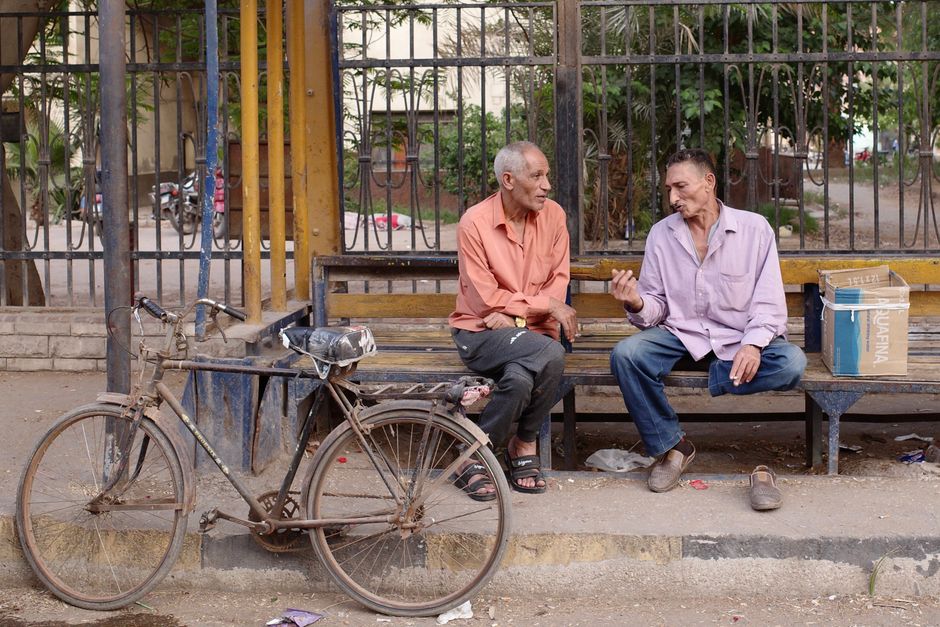
The local uptake is accelerating. Wellness studios in Zamalek and New Cairo—where a single yoga class now costs 250–400 EGP—have begun offering "rest as practice," including yin yoga and restorative breathing sessions. Yet price remains prohibitive; most working Cairenes still rely on free options: sitting in neighbourhood cafés during cooler evening hours, family meals on Garden City balconies, or simply closing shutters during the hottest part of the day.
Traditional Egyptian mezze culture—slow eating, social connection, herbal teas like chamomile and anise—naturally supports sleep hygiene. Global wellness trends have repackaged this as "plant-based evening routines" and "mindful dining," yet here it's been normalised for generations. A cup of hibiscus tea costs 5 EGP and works as well as any premium sleep supplement.
What's shifting is awareness. More Cairenes now discuss sleep quality openly, and younger professionals are seeking professional guidance. Sleep consultants have emerged in central Cairo neighbourhoods, though their fees remain steep. Meanwhile, free resources—walking groups along the Corniche, community running clubs in Maadi—continue to anchor sleep wellness in accessible, social practice.
The real lesson isn't that Cairo is behind global trends. It's that Cairenes never abandoned what the world is just rediscovering: that rest is cultural, contextual, and powerful when woven into daily life rather than gamified on an app.
This article was compiled by AI and screened before publishing. See our editorial standards.