Cairo's Green Tech Boom: Why the Nile Valley Is Becoming ...
From solar startups in New Cairo to waste-management AI platforms in Heliopolis, the city is carving a unique identity in the global clean-tech landscape.
From solar startups in New Cairo to waste-management AI platforms in Heliopolis, the city is carving a unique identity in the global clean-tech landscape.
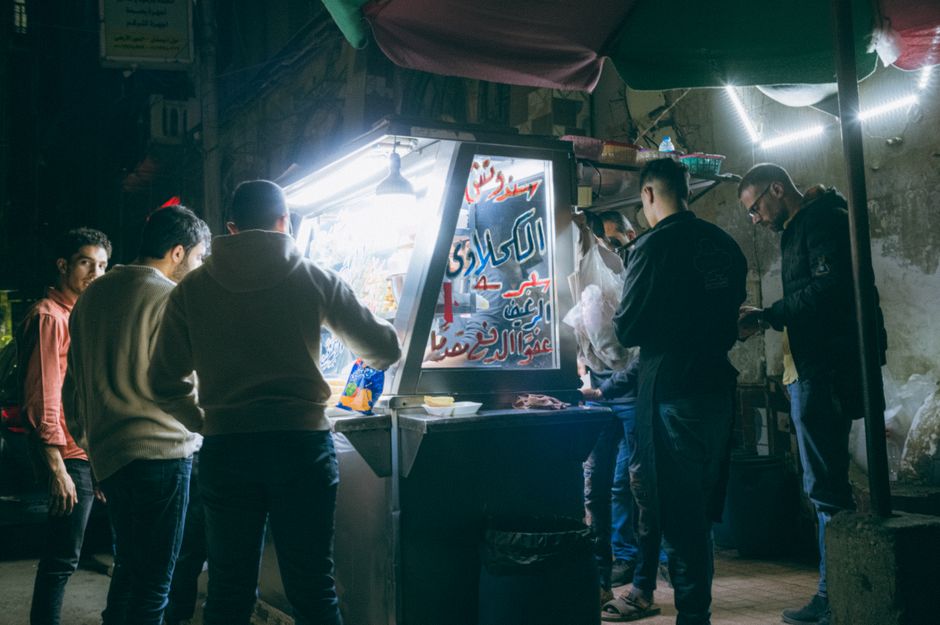
Cairo's tech ecosystem has never been purely about apps and fintech. Walk through the innovation hubs clustered around the American University in Cairo's New Cairo campus, or peek into the converted warehouses near Zamalek's riverfront, and you'll find something distinctly different from Silicon Valley's playbook: a generation of engineers and entrepreneurs solving energy poverty with desert sun and recycling crises with artificial intelligence.
This isn't accidental. Egypt generates roughly 90 percent of its electricity from natural gas and hydropower, a combination that leaves the nation vulnerable to supply shocks and climate stress. Cairo's tech founders have inherited a city where rolling blackouts still occur, where 27 million residents depend on aging infrastructure, and where summertime air conditioning demand peaks at levels that make the grid shudder. That pressure has become creative fuel.
The numbers tell the story. Solar installation costs across Egypt have dropped by 65 percent since 2018, according to the International Renewable Energy Agency, yet Cairo-based startups have gone further—engineering cost-reduction models that layer software optimization, micro-financing, and community-grid solutions. Companies incubated at spaces like the Climate Innovation Center Egypt in Maadi have attracted over $40 million in regional and international venture funding since 2023. Several are now piloting distributed solar systems in Cairo's outlying neighborhoods, where conventional grid extension is prohibitively expensive.
What makes Cairo distinctive, however, isn't just abundance of sun or necessity—it's the city's particular fusion of constraints. Cairo's waste management infrastructure is chronically under-resourced. Rather than wait for government overhaul, local tech teams have built IoT-enabled sorting platforms and recycling-route optimization software now deployed across Giza and Heliopolis. One startup, launched from a co-working space in Garden City, has reduced collection inefficiency by 34 percent in pilot districts.
The ecosystem also benefits from Cairo's position as the Arab world's largest city and a gateway between African and Middle Eastern markets. Tech talent flows in from across the region. Partnerships with universities like Ain Shams and the German University in Cairo feed a continuous stream of engineering graduates into the clean-energy sector.
Yet challenges remain. Regulatory frameworks for grid-connected renewables still lag implementation. Capital remains tighter than in Gulf hubs. Brain drain to Dubai and the West persists. Still, as global investors increasingly scan for emerging clean-tech hubs beyond China and India, Cairo's specific alchemy—scarcity meeting ingenuity, climate vulnerability meeting digital sophistication—is drawing serious attention. The city isn't just adopting green technology. It's learning to invent it.
This article was compiled by AI and screened before publishing. See our editorial standards.
How does this story make you feel?
Spread the word
About this article
Published by The Daily Cairo
Daily brief
Free, in your inbox before 7am. Weekdays.
More in tech