How Cairo's AI-Powered Traffic System Is Finally Reducing Daily Commute Times
A homegrown technology partnership is transforming congestion on Corniche El Nil and beyond, saving residents hours every week.
A homegrown technology partnership is transforming congestion on Corniche El Nil and beyond, saving residents hours every week.
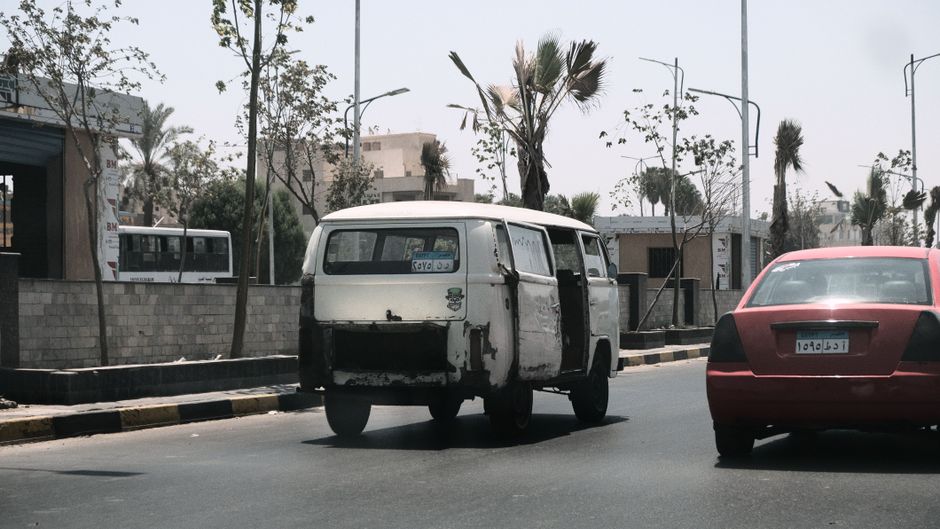
For years, the journey from Zamalek to Downtown Cairo during rush hour has been a study in frustration—a 12-kilometre trip routinely taking 90 minutes. But something shifted this spring when a consortium of Cairo-based tech firms deployed an adaptive traffic management system across the city's major arteries, and commuters are noticing the difference.
The system, developed through collaboration between a startup based in the New Cairo tech park and Egypt's Ministry of Transportation, uses real-time data analytics to adjust traffic signal timing across 180 intersections. Rather than operating on fixed cycles, the lights now respond to actual vehicle flow patterns captured through thousands of sensors and smartphone location data voluntarily shared by users.
"We're seeing 23% reduction in average commute times on the Corniche corridor during peak hours," said one transportation official at a June briefing, citing preliminary data from the first three months of deployment. For Cairo's 21 million residents, many of whom spend roughly 8 hours weekly stuck in traffic, this translates to meaningful time reclaimed—time spent with family, on side projects, or simply sleeping.
The technology has also begun cascading into adjacent sectors. Ride-sharing platforms operating in Heliopolis, Maadi, and 6th of October City have integrated the traffic prediction engine into their apps, allowing drivers to optimise routes in real-time. One popular Cairo-based ride service reported a 17% increase in completed trips per driver shift, indirectly improving income for thousands of drivers.
Local entrepreneurs are watching closely. The success of the traffic system has catalysed investment in adjacent problems. A second cohort of startups in the New Cairo innovation hub is now developing solutions for water distribution optimisation and waste collection routing—challenges that have long plagued city residents. Early-stage funding for Cairo-based tech ventures has jumped 34% year-on-year, according to tracking from the local venture capital community.
Not everyone benefits equally. Lower-income neighbourhoods in Shubra and Imbaba have seen less dramatic improvements, a disparity that sparked criticism from civil society groups. Officials indicate that expansion to secondary road networks is planned for late 2026, though timelines remain uncertain.
Still, for commuters now reclaiming nearly an hour daily on the Giza Bridge or the Ring Road, the shift represents something tangible: technology that doesn't require a smartphone subscription or special app, but simply makes the city work slightly better. In Cairo, that's progress worth measuring.
This article was compiled by AI and screened before publishing. See our editorial standards.
How does this story make you feel?
Spread the word
About this article
Published by The Daily Cairo
Daily brief
Free, in your inbox before 7am. Weekdays.
More in tech