Cairo's coworking sector has attracted over $45 million in venture capital funding since 2023, according to data from regional investment trackers, signalling a dramatic shift in how Egyptian professionals and international companies approach work infrastructure. The trend reflects both pandemic-driven behavioural change and a strategic recognition that Egypt's young, tech-savvy workforce can serve regional and global markets from shared spaces.
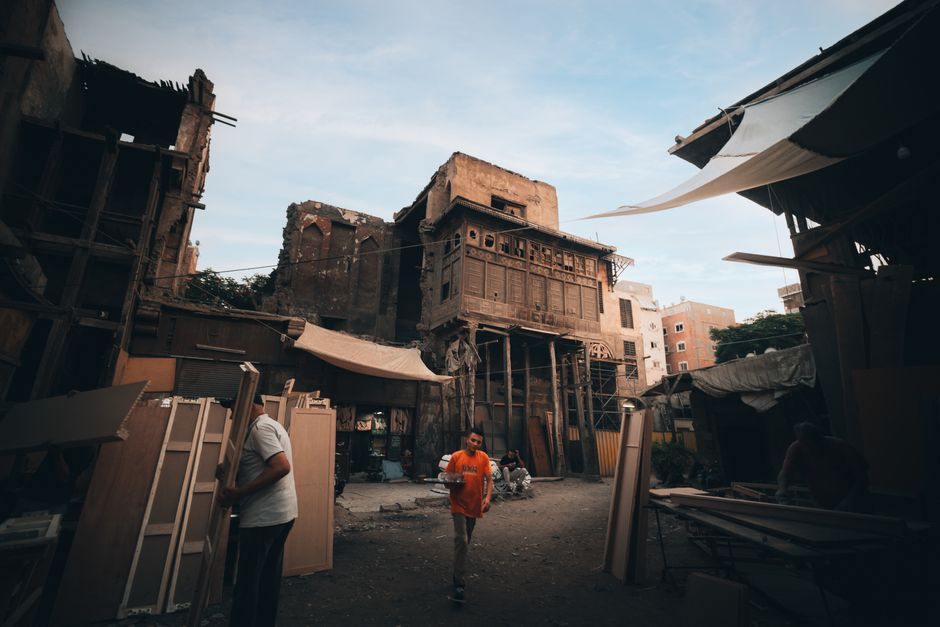
Major players have staked claims across the city's most connected neighbourhoods. Downtown Cairo, historically the commercial heartland, has seen renovation of historic buildings into modern flex-spaces, with monthly desk rental ranging from EGP 2,500 to EGP 6,000 depending on amenities. New Cairo's developments along the Ring Road and near American University have commanded premium rates, attracting multinational tech teams and startups looking for enterprise-grade facilities with reliable power and fibre connectivity—critical infrastructure challenges that coworking operators have made their calling card.
The investment thesis is straightforward: Egypt's 103 million population includes an estimated 2.2 million active internet users aged 18-34, many seeking alternatives to traditional office environments. Remote-first companies like Telr, Swvl, and Instabug—all Cairo-born tech firms now operating across borders—have validated demand for distributed work culture. Property developers and workspace operators see this as an untapped market, particularly as multinationals establish regional hubs here to access North African and Middle Eastern talent pools at competitive rates.
Egyptian entrepreneurs have launched homegrown platforms too. Companies focused on workspace management, community-building features, and integration with regional payment systems have attracted seed and Series A funding from VCs based in Dubai, London, and Cairo itself. Local players emphasise adaptation to Egyptian context: onsite cafés serving Egyptian coffee, prayer rooms, backup generators for power cuts, and payment flexibility for freelancers navigating Egypt's currency challenges.
Challenges remain. Internet reliability, taxation clarity for digital nomads, and real estate costs in premium zones still constrain growth. Yet industry observers note that even conservative estimates project the sector will double in size by 2028, with demand driven by tech startups, remote staff of international firms, and freelancers serving global clients.
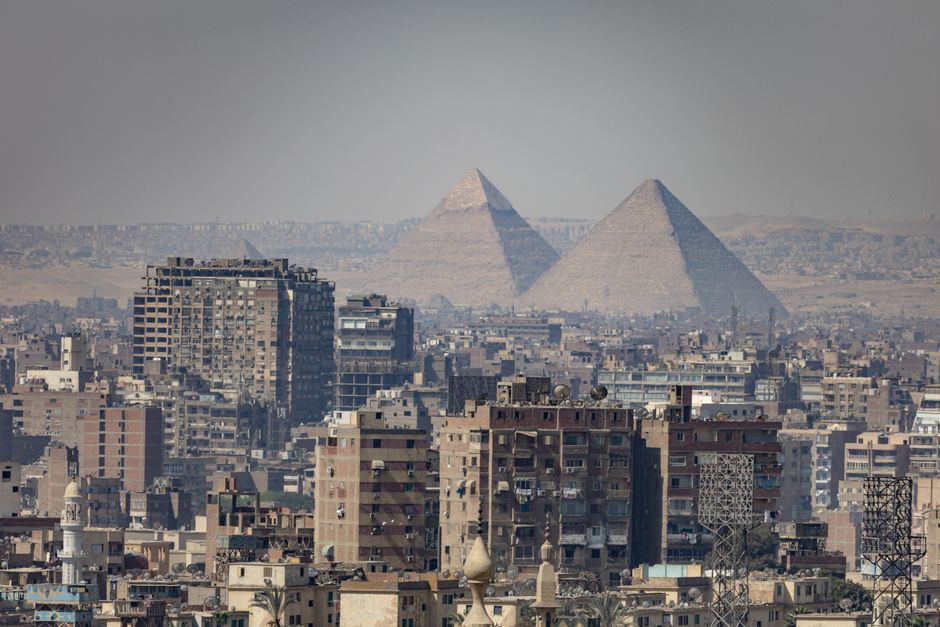
The coworking story represents something larger: Cairo positioning itself not just as a consumer market, but as an operational centre for the digital economy. For investors watching regional tech trends, the message is clear—Cairo's flexible workspace infrastructure tells them where distributed work is heading next.
This article was compiled by AI and screened before publishing. See our editorial standards.