Why Cairo's Fintech Boom Is Unlike Anywhere Else on Earth
From the streets of Zamalek to the startup hubs of New Cairo, Egypt's capital is cracking a code that Silicon Valley still hasn't solved.
From the streets of Zamalek to the startup hubs of New Cairo, Egypt's capital is cracking a code that Silicon Valley still hasn't solved.
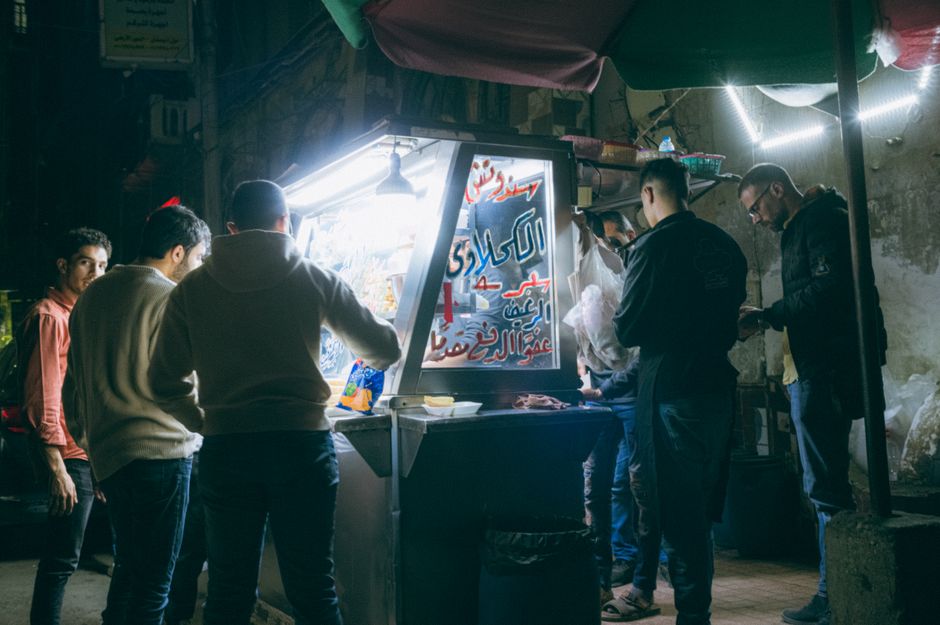
Walk through the gleaming office complexes of New Cairo's R&D District, and you'll spot the unmistakable logos: Telr, Fawry, Paymob. But what makes Cairo's fintech ecosystem truly distinctive isn't just the number of startups—it's the problem they're solving that no other city quite faces in the same way.
Egypt's population of 105 million remains 68 percent unbanked or underbanked, according to 2025 data. That gap has become Cairo's greatest asset. While fintech hubs in London or San Francisco optimize systems for markets that already have robust infrastructure, Cairo's entrepreneurs are building financial services from scratch for hundreds of millions of people who've never swiped a card.
"The constraints are the innovation," explains the ethos permeating coworking spaces like Hub Cairo in Zamalek and the growing cluster of tech companies along Corniche El Nile. Companies operating here must solve problems—offline payments, informal economy integration, microtransaction friction—that American venture capitalists only read about in case studies.
The numbers tell a compelling story. Egypt's fintech market grew 47 percent year-over-year through 2025, with Cairo accounting for roughly 80 percent of the nation's digital payments volume. The average transaction value remains fractional by Western standards—often under 50 Egyptian pounds—yet the aggregate volume rivals markets with far higher per-transaction values.
What distinguishes Cairo's approach is the relentless pragmatism born from necessity. Fintech founders here design for intermittent internet connectivity, for feature phones alongside smartphones, for merchants who've never digitized their records. The regulatory environment, while sometimes challenging, has also forced innovation: the Central Bank of Egypt's 2020 fintech framework pushed companies toward solutions that actually serve the broader financial ecosystem rather than disrupting it.
This has attracted global attention. International investors increasingly recognize that proving a business model works in Cairo—where margins are thin, infrastructure is patchy, and user education is essential—creates a replicable blueprint for emerging markets across Africa and South Asia. Companies that succeed in navigating Cairo's complexities often find expansion into other markets almost simple by comparison.
The ecosystem extends beyond Zamalek's boutique offices. Universities like the American University in Cairo and the German University in Cairo now produce graduates specifically trained in fintech development. Accelerators and venture firms increasingly set up regional hubs here, recognizing Cairo not as a testing ground but as a genuine innovation center with global implications.
Six years ago, Cairo's fintech scene was nascent. Today, it's a blueprint for how financial inclusion and technological innovation intersect—making this ancient city one of the world's most consequential laboratories for the future of money.
This article was compiled by AI and screened before publishing. See our editorial standards.
How does this story make you feel?
Spread the word
About this article
Published by The Daily Cairo
Daily brief
Free, in your inbox before 7am. Weekdays.
More in tech