Cairo's Green Energy Promise Masks Growing Pains: Who ...
As Egypt races to build a renewable future, questions loom over land rights, labour practices, and whether the benefits will reach ordinary Cairenes.
As Egypt races to build a renewable future, questions loom over land rights, labour practices, and whether the benefits will reach ordinary Cairenes.
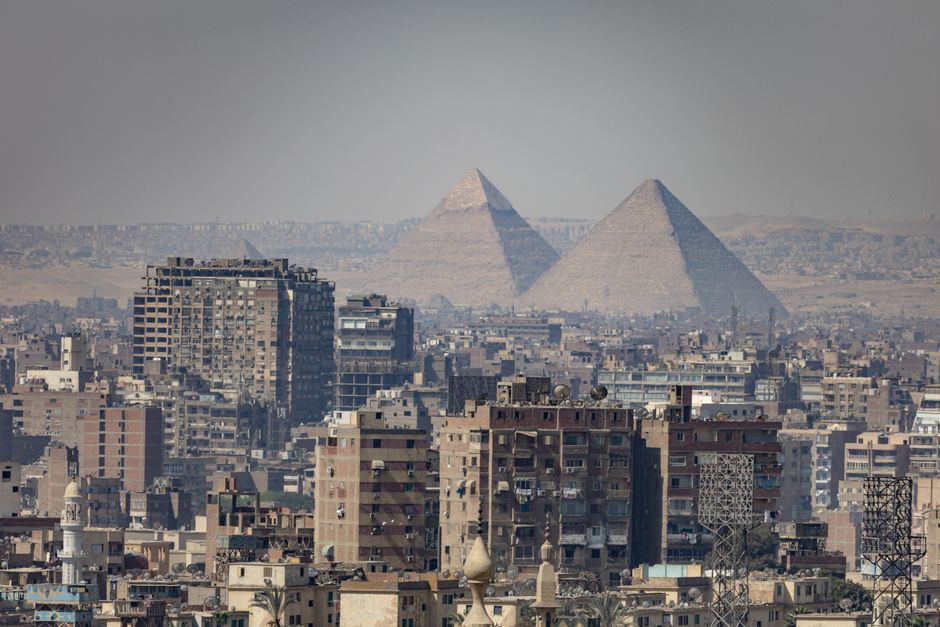
Walk through New Cairo's gated compounds or along the manicured Sheikh Zayed boulevards, and the solar panels glinting atop villas tell a seductive story: Egypt is going green. By 2030, the government aims for renewables to supply 42% of the country's electricity. Ambitious targets, genuine momentum. Yet beneath this sunny narrative lie uncomfortable truths that Cairo's tech and sustainability community increasingly grapples with.
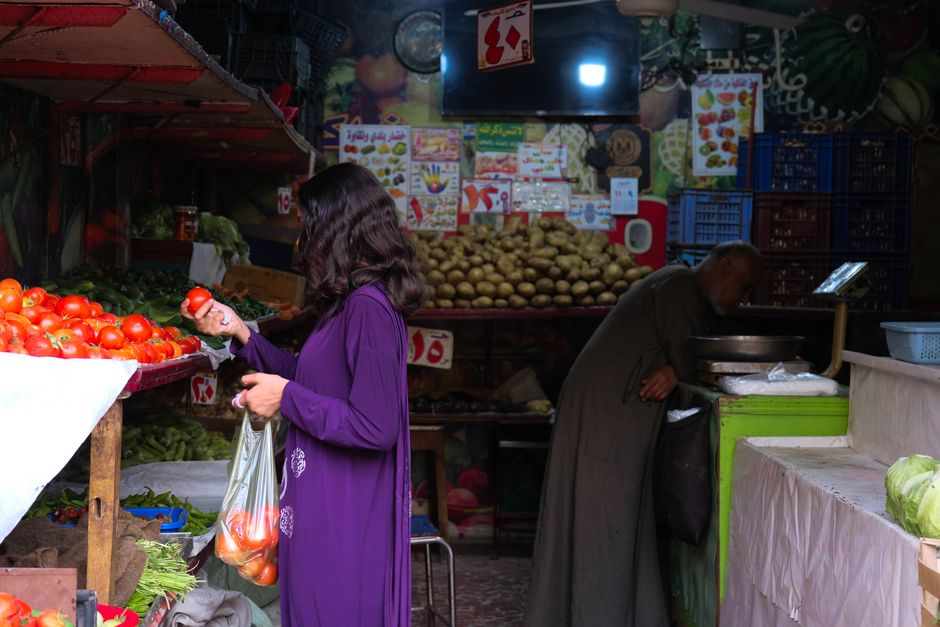
The numbers look impressive on paper. Egypt's Benban Solar Park, 135 kilometres south of Aswan, is one of the world's largest, generating 1.65 gigawatts. Investment has poured in—$500 million-plus from international developers. But in Cairo's working-class neighbourhoods of Bulaq and Rod El-Farag, where residents already endure some of Egypt's worst air quality, the transition has meant minimal direct benefit. Local employment in the solar sector remains concentrated in engineering and management roles—typically requiring credentials few residents possess.
The displacement question stings harder. Benban required farmers to surrender agricultural land; compensation often fell short of long-term livelihood losses. Now, as Cairo's property developers eye desert sites around the Sixth of October City and New Administrative Capital regions for wind and solar installations, activists worry history will repeat. Land-grab accusations, though contested by project developers, resurface regularly on social media and in Cairo University seminars.
Then there's the elephant in the room: manufacturing. Egypt imports most solar panels and batteries from China and Vietnam—a supply chain with documented labour and environmental violations. When a Cairo-based tech company purchases 10,000 units to retrofit downtown office buildings, the green credentials dissolve under scrutiny. Localising production could help, yet requires capital, expertise, and regulatory will that haven't materialised.
Water consumption poses another ethical minefield. Solar plants require significant cooling in Egypt's heat. In a country where the Nile's flow shrinks yearly, every megawatt of renewables must not cannabilise irrigation or household access.
The young engineers and entrepreneurs I met recently at the AUC's School of Sciences and Engineering remain optimistic but clear-eyed. They acknowledge the tension: sustainability cannot be genuine if it perpetuates inequality or exports environmental costs elsewhere.
Egypt's green energy transition is neither doomed nor assured. Success depends on asking harder questions now—about land rights, local employment, global supply chains, and water equity—rather than celebrating capacity targets alone. Cairo's future depends on it.
This article was compiled by AI and screened before publishing. See our editorial standards.
How does this story make you feel?
Spread the word
About this article
Published by The Daily Cairo
Daily brief
Free, in your inbox before 7am. Weekdays.
More in tech