Cairo's Smart City Dream Faces a Reckoning: Promise ...
As the capital races to digitize its infrastructure, residents and experts are asking whether the government's transformation agenda will actually serve the people—or just surveil them.
As the capital races to digitize its infrastructure, residents and experts are asking whether the government's transformation agenda will actually serve the people—or just surveil them.
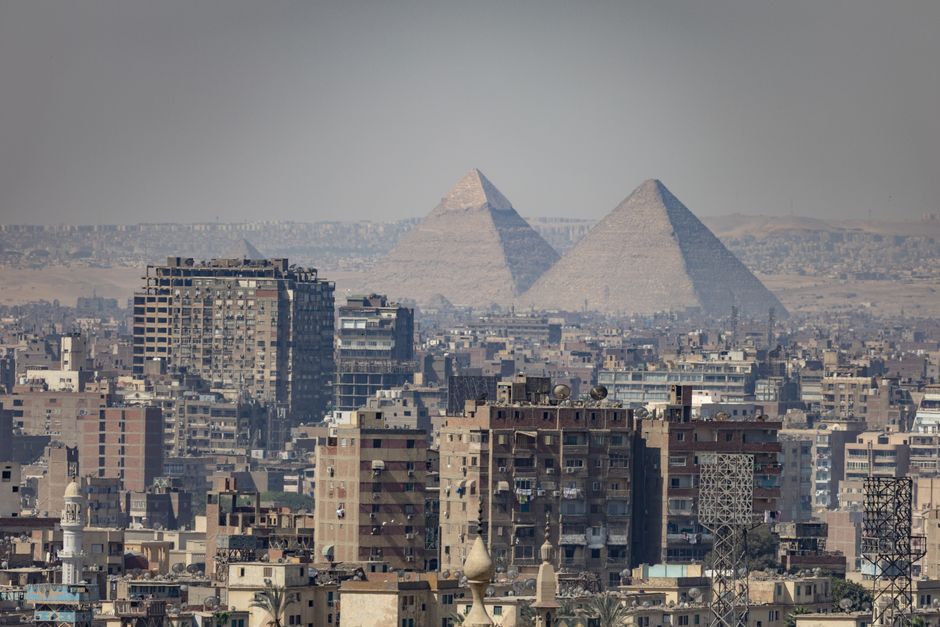
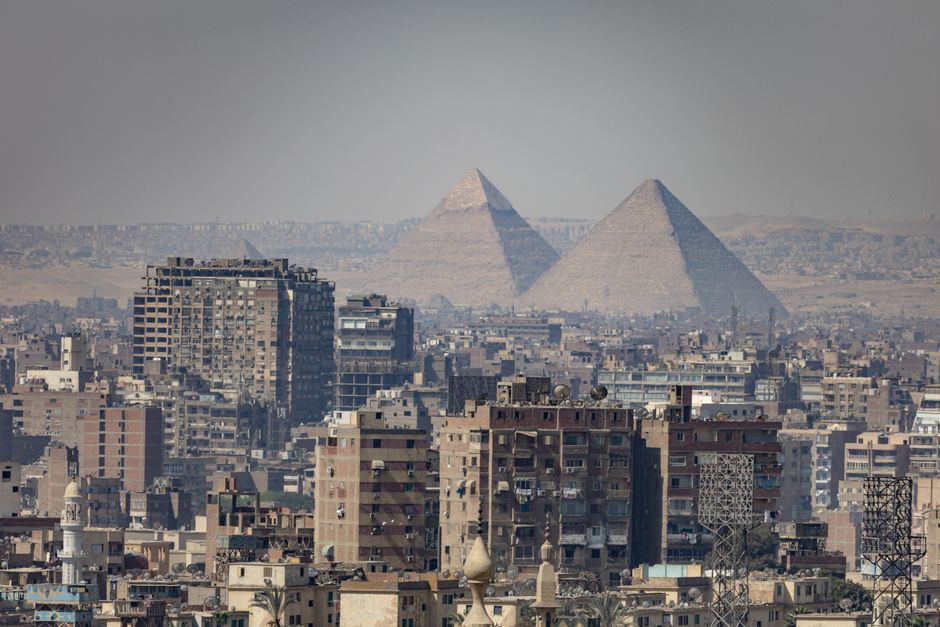
Walk through Downtown Cairo or along the Corniche these days and you'll notice the infrastructure changing. Traffic cameras on the Ring Road. Digital payment systems at parking meters. Real-time bus tracking apps promising to ease commutes across the sprawling metropolis of over 20 million people. New Administrative Capital projects showcase the government's vision of a fully integrated smart city ecosystem.
On paper, it's compelling. Egypt's digital transformation roadmap, accelerated over the past three years, aims to reduce congestion, cut energy waste, and modernize a capital city that has long struggled with aging systems. Tech entrepreneurs in the Zamalek and Heliopolis innovation hubs have rallied around the opportunity, with startups bidding for contracts to build everything from smart traffic management to IoT-enabled utilities.
But beneath the promise lies a tangle of uncomfortable questions that neither the government nor the private companies driving these projects have adequately addressed.
Data security tops the list. Egypt's cybersecurity infrastructure remains nascent—a 2024 assessment by digital rights organizations flagged significant vulnerabilities in government systems. When your city's water supply, electricity grid, and transportation network become interconnected digital systems, a single breach doesn't just mean stolen data. It means potential service disruption affecting millions. Yet the tender processes for many of Cairo's smart city contracts contain little public detail about encryption standards or security audits.
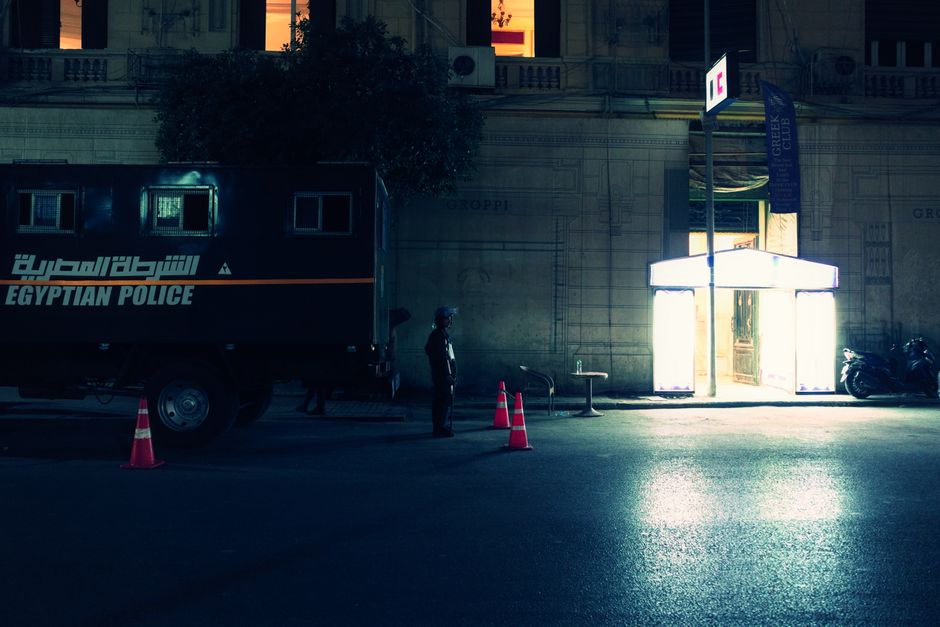
Surveillance is the second concern. Traffic monitoring, facial recognition at key intersections, and integrated citizen databases create powerful tools for tracking movement and behavior. While authorities frame this as efficiency and public safety, residents in neighborhoods from Garden City to Nasr City worry about mission creep—how today's traffic management system becomes tomorrow's political monitoring apparatus.
Then there's the equity question. Smart city infrastructure typically benefits wealthier districts first. Will Helwan's residents see the same digital investment as New Cairo? Will a driver in Giza's informal settlements access the same navigation and payment systems as someone in Maadi? Early rollouts suggest a two-tiered city emerging, where connectivity and its benefits fragment along existing socioeconomic lines.
The enthusiasm for Cairo's transformation is genuine and, in many ways, necessary. But maturity means asking hard questions before systems are locked in. That means transparent procurement processes, independent security assessments, and public consultation—not just with tech companies and government officials, but with ordinary Cairenes who will live inside these systems. The promise of a smarter Cairo is real. Whether it's a more equitable or free one remains an open question.
This article was compiled by AI and screened before publishing. See our editorial standards.
How does this story make you feel?
Spread the word
About this article
Published by The Daily Cairo
Daily brief
Free, in your inbox before 7am. Weekdays.
More in tech