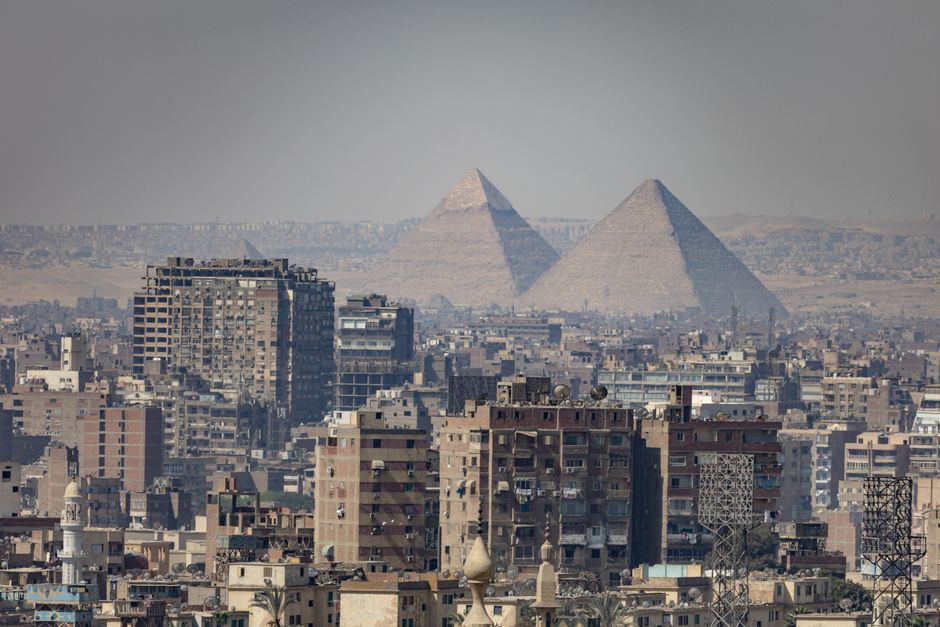
Walk into any co-working space along 26th of July Street in Zamalek, and you'll hear the same refrain: Cairo's fintech ecosystem isn't trying to replicate Silicon Valley—it's solving problems the Valley never had to face.
With over 100 million people, Egypt has become a testing ground for financial inclusion at a scale that most Western tech hubs can only theorize about. The Central Bank of Egypt's fintech sandbox, launched in 2020, has already greenlit 13 active projects ranging from blockchain payments to microfinance platforms. That regulatory willingness to experiment—rare in the region—is precisely what distinguishes Cairo from Dubai or Beirut.
"We're not just building apps," says the fintech community clustered around Downtown Cairo's restored neighborhoods and the emerging innovation zones near the American University. "We're building financial infrastructure for people who've never had it." Mobile money adoption rates in Egypt sit at roughly 46% among adults, up from 22% five years ago, creating an expanding market for digital wallet innovations and merchant payment solutions.
The numbers tell the story. Egypt's fintech funding reached $174 million in 2024, with Cairo accounting for the lion's share. Companies like Fawry, Telr, and Paymob—all Cairo-based—process billions in transactions annually, serving merchants across North Africa. Their success has created a rare advantage: a local talent pool that understands both the technical demands of modern banking and the unglamorous realities of operating in markets where internet penetration, though improving, remains below 50%.
This creates a distinctive competitive advantage globally. Cairo's fintech engineers have learned to build lean, offline-capable systems that work on 3G networks and require minimal data consumption. These innovations are increasingly valuable in Sub-Saharan Africa and South Asia—markets where Western fintech solutions often stumble.
The city's ecosystem also benefits from its geographic position. As a bridge between Africa, the Middle East, and Europe, Cairo-based fintech firms navigate complex regulatory environments and cross-border payment challenges that force innovation. The planned New Administrative Capital may house government functions, but Downtown Cairo and the Innovation Hub in the Nasr City district remain where the real technical work happens.
By 2025, industry analysts estimate that Egypt's digital finance market could reach $41 billion in transaction value. For Cairo's tech community, the opportunity isn't just capturing that growth—it's exporting the playbook to other emerging markets grappling with similar challenges. That's what makes this city's fintech story genuinely global.
This article was compiled by AI and screened before publishing. See our editorial standards.