Walk through the bustling Khan el-Khalili bazaar on any weekday afternoon, and you'll notice something that would have seemed impossible five years ago: street vendors accepting payments via QR codes scanned from mobile phones. The shift reflects a quiet revolution reshaping how millions of Cairenes manage their finances daily.
Egypt's fintech sector has grown exponentially, with mobile banking penetration reaching an estimated 47% of the urban population by mid-2026. For residents across neighborhoods from New Cairo's Fifth Settlement to the working-class districts of Shubra, this technology is eliminating the need for cash transactions—and the risks that come with them.
Amira Hassan, a microentrepreneur operating a small textile stall near Ramses Railway Station, exemplifies this shift. Like thousands of her peers, she now accepts digital payments through multiple platforms, reducing her vulnerability to theft and simplifying her accounting. Transaction fees, once a barrier, have dropped to competitive levels as competition among fintech providers intensifies.
The impact extends beyond commerce. Digital remittance services have transformed how Egyptian families receive money from relatives abroad. What once required trips to Western Union offices in Downtown Cairo or Dokki now happens instantaneously through apps, with exchange rates significantly better than traditional money transfer services. For Egypt's diaspora—estimated at over 10 million people worldwide—this accessibility has deepened financial ties to home.
Savings have become more accessible too. Micro-investment platforms allow Cairenes earning modest incomes to build wealth incrementally, with some apps offering returns on savings accounts that dwarf traditional bank rates. Young professionals in Maadi and Heliopolis are increasingly turning to these digital alternatives rather than navigating the bureaucratic requirements of conventional banking.
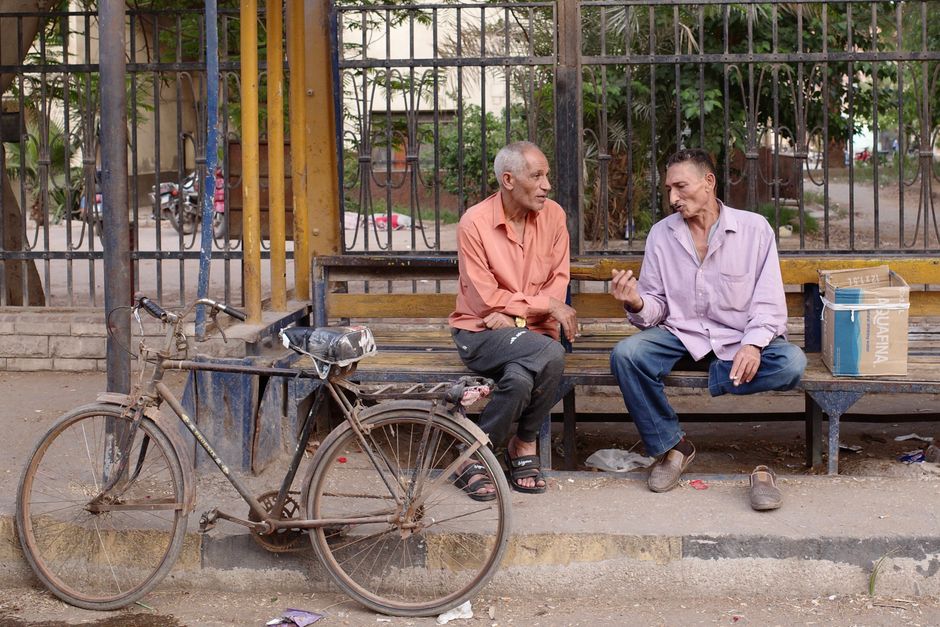
Yet challenges remain. The digital divide persists in older neighborhoods and among elderly residents unfamiliar with smartphone technology. Cybersecurity concerns, though addressed through improved encryption standards, still deter some conservative savers. Regulatory frameworks continue evolving as the Central Bank of Egypt works to balance innovation with financial stability.
Despite these hurdles, the trajectory is clear. From splitting restaurant bills among friends in Zamalek to paying utility bills without standing in queues, fintech is cementing itself as the default mode for financial interaction in Cairo. The transformation isn't about technology for its own sake—it's about time saved, money preserved, and economic participation extended to those previously locked out of the formal financial system.
This article was compiled by AI and screened before publishing. See our editorial standards.