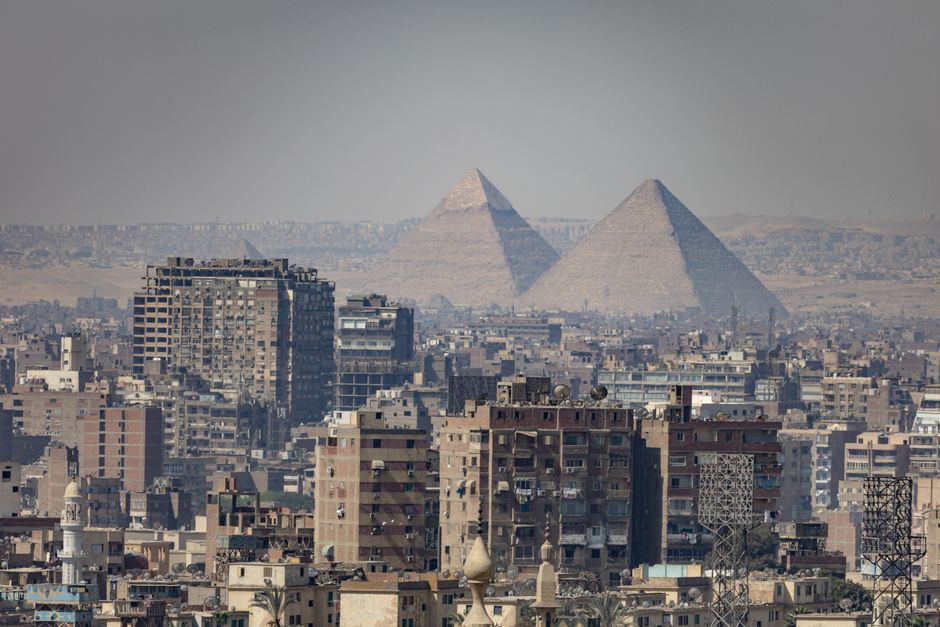
Cairo's digital transformation is entering a critical acceleration phase. Over the next 18 months, a series of interconnected smart city initiatives will reshape urban infrastructure across the sprawling metropolis of over 20 million residents, according to officials coordinating the broader Smart Cairo initiative aligned with Egypt's broader Vision 2030 agenda.
The roadmap includes three major pillars. First, an expanded Intelligent Traffic Management System (ITMS) will roll out across New Cairo and Heliopolis by Q4 2026, building on early deployments near Tahrir Square and along the Corniche. The system uses real-time data analytics to reduce congestion—currently costing the economy an estimated 64 billion EGP annually in lost productivity. Initial phases in Downtown Cairo reduced average commute times by 18 percent, setting the baseline for citywide expansion.
Second, a unified digital utilities platform launching in phases starting October will allow residents and businesses to monitor water, electricity, and waste collection through a single mobile application. The pilot, targeting Garden City and parts of Maadi, will integrate with existing infrastructure while reducing non-revenue water loss—currently hovering near 30 percent across Greater Cairo.
Third, the government is preparing a Citizen Services Integration Hub, consolidating services currently scattered across multiple physical locations. A flagship center in the New Administrative Capital will anchor the network, with secondary hubs planned for Giza and Nasr City by mid-2027. This addresses a persistent pain point: Egyptians currently spend an average of 4.2 hours per administrative transaction, according to recent surveys.
Private sector involvement is accelerating. Major telecommunications firms and fintech companies are bidding on infrastructure contracts. A 450 million EGP allocation from the Central Bank of Egypt's green financing initiative is available for tech infrastructure projects, signaling serious commitment to the roadmap.
Challenges remain substantial. Cybersecurity capacity, digital literacy across diverse demographic groups, and legacy system integration will require sustained investment and coordination. The government has announced new data protection regulations aligned with international standards, though implementation details are still emerging.
Nevertheless, momentum is building. Cairo's position as the Arab world's largest tech hub—home to innovation districts spanning from Masr Al-Qadima to Sheikh Zayed—provides a critical advantage. The coming 24 months will determine whether these ambitions translate into tangible improvements for residents navigating one of the world's most complex urban environments.
This article was compiled by AI and screened before publishing. See our editorial standards.