Technology
Cairo's startup funding landscape hits inflection point as regional VCs double down on Egypt
With seed rounds accelerating and new investment vehicles launching across Downtown and New Cairo, the city's tech ecosystem is attracting serious capital despite global economic headwinds.
How we reported this
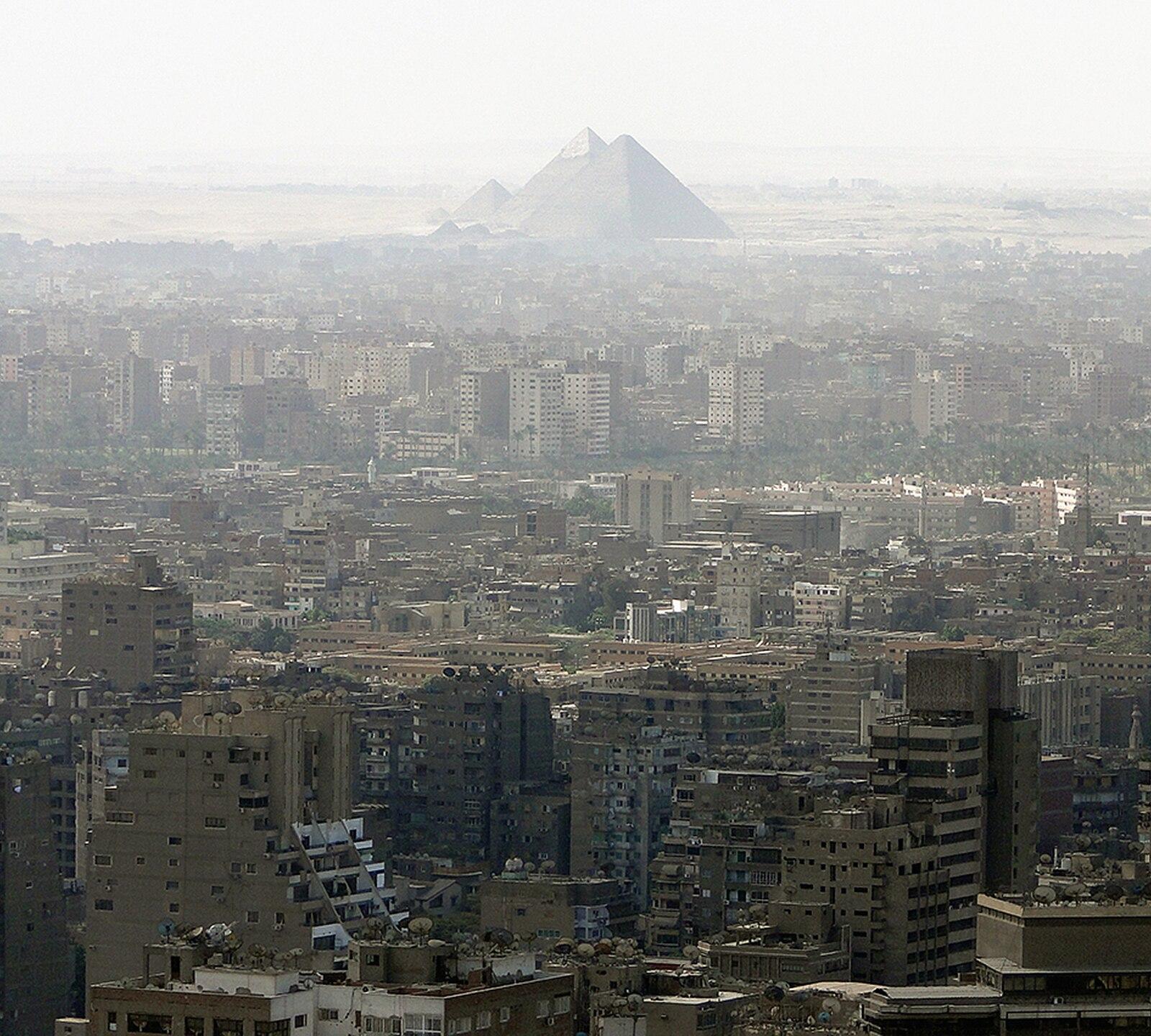
Cairo's venture capital scene is experiencing a marked shift in 2026. After two years of cautious deployment, regional and international investors are committing fresh capital to Egyptian startups at a pace not seen since 2022, with funding activity concentrated heavily in the software, fintech, and logistics sectors that serve the city's 21-million-person metro area.
The momentum is visible across familiar hubs. Spaces around the American University in Cairo's campus in New Cairo have emerged as a secondary startup cluster, complementing the long-established Downtown ecosystem centred near Tahrir Square and along Qasr al-Aini Street. Several Series A rounds worth $2-5 million closed in the first half of the year, according to data tracked by local investment networks, with founders citing improving market conditions and stronger regulatory clarity around cryptocurrency and digital payments as catalysts.
"The narrative has changed," explains the ecosystem broadly. Previously, Cairo startups struggled to raise beyond seed stage without relocating to Dubai or Beirut. Now, VCs are conducting full due diligence locally, attending pitch events at venues like Hub Cairo in Zamalek, and building dedicated Egypt-focused funds. At least three new microfinance vehicles targeting early-stage founders launched or expanded operations in the capital during the past twelve months.
Costs remain a competitive advantage. While developer salaries in Cairo have risen-mid-level engineers now command $800-1,200 monthly-they remain a fraction of regional peers. A fully-staffed early-stage startup can operate from shared office space in New Cairo for under $3,000 monthly, making the city attractive for bootstrapped founders and VCs seeking operational efficiency.
Challenges persist. Access to hard currency for international payments remains inconsistent, though cryptocurrency and stablecoin adoption among fintech founders has created workarounds. Cross-border recruitment remains cumbersome, and venture debt-common in mature ecosystems-barely exists here. Infrastructure reliability, particularly reliable power and internet connectivity in less-developed areas, continues to constrain some hardware and logistics ventures.
Yet the direction is unmistakable. Government agencies have signalled openness to tech-friendly regulation, the Egyptian banking sector is digitizing rapidly, and the sheer scale of Cairo's consumer market-coupled with skilled, English-speaking talent-is difficult for investors to ignore. By mid-2026, Cairo feels less like a satellite tech city and more like a genuine capital allocation destination in its own right.