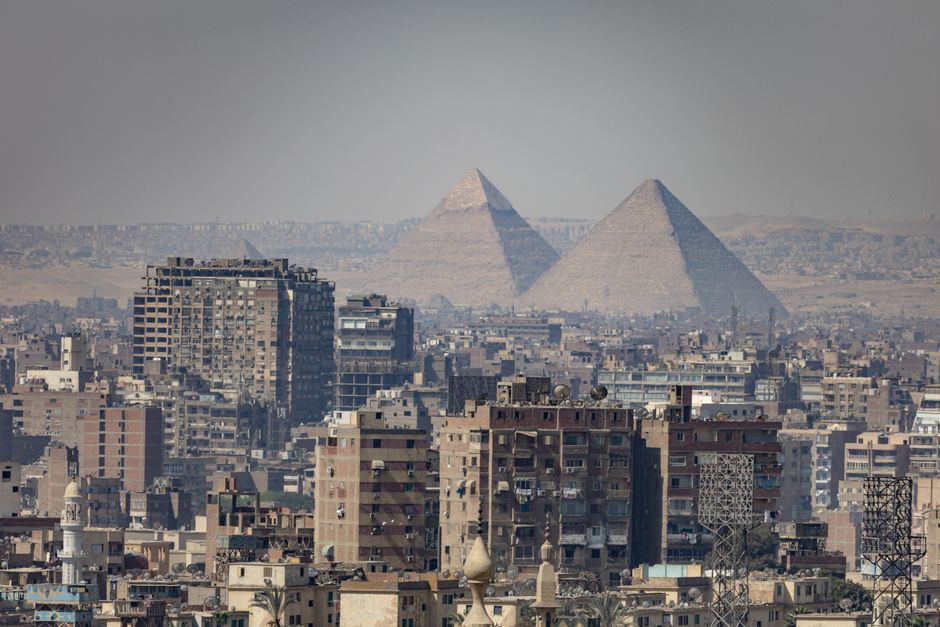
When the Egyptian government launched its digital transformation roadmap in 2019, sceptics dismissed it as another top-down initiative destined for slow implementation. Six years later, Cairo has quietly become a case study for how megacities with legacy infrastructure, resource constraints, and 21 million residents can leapfrog traditional smart-city development cycles.
Unlike Singapore's precision engineering or Dubai's blank-canvas approach, Cairo's competitive advantage lies in radical pragmatism. The city's tech ecosystem—concentrated in pockets from Maadi's business district to the growing hubs in New Administrative Capital—has developed solutions for real-world urban chaos: traffic systems that work without comprehensive road data, payment platforms that bypass traditional banking, and IoT infrastructure designed for intermittent electricity.
"Cairo doesn't have the luxury of waiting for perfect conditions," explains the reality on the ground. The city's water consumption tracking project, implemented across central districts in 2024, didn't require replacing aging pipes—it retrofitted smart meters onto existing networks, reducing waste by an estimated 18% while cutting implementation costs to roughly one-tenth of what European cities spent on comparable systems.
The fintech corridor emerging along Cairo's corridors has attracted regional investment exceeding $850 million since 2023, with companies building payment and logistics solutions specifically architected for high-friction environments. This isn't theoretical innovation; it's survival-driven engineering with global application. When Egypt's telecom regulator mandated digital identity verification in 2024, local startups delivered biometric systems that handled 12 million registrations in four months—a throughput rate that impressed international observers.
Tahrir Square's symbolic resonance has given way to quieter revolutions happening in Heliopolis' tech corridors and Dokki's co-working spaces. The Cairo Tech Summit, now in its fifth year, draws innovation leaders precisely because they're watching how solutions tested in this city's constrained environment scale to other emerging megacities.
What makes Cairo distinctive globally isn't cutting-edge technology—it's the problem-solving philosophy. Smart cities in wealthy nations often start with the tech and hunt for applications. Cairo's ecosystem works backwards: identify critical urban pain points, then build minimal viable solutions with maximum resilience. That inverted approach, refined through necessity, has become the framework other emerging markets are studying.
The real test comes next. As Cairo's population edges toward 25 million, whether this scrappy, pragmatic model can scale remains the question keeping international urban planners watching—not dismissing—this city's experiment.
This article was compiled by AI and screened before publishing. See our editorial standards.