Cairo's Tech Boom Built on Trust: Why This City's ...
As startups flourish along the Nile, Egyptian developers are pioneering a privacy-first approach to digital safety that prioritizes community resilience over individual surveillance.
As startups flourish along the Nile, Egyptian developers are pioneering a privacy-first approach to digital safety that prioritizes community resilience over individual surveillance.
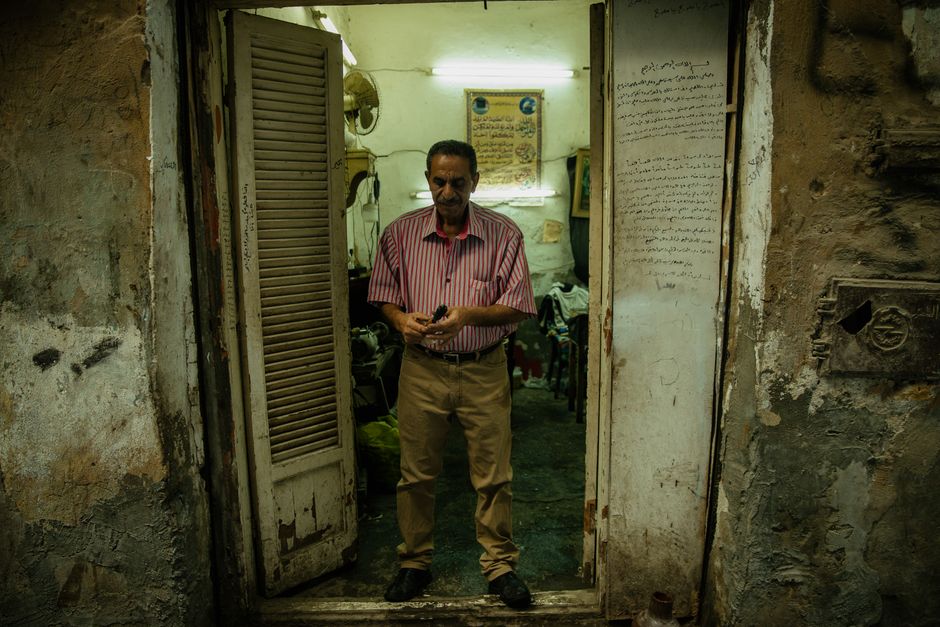
Walk through the gleaming office parks of New Cairo's tech corridor—where venture capital has poured over $500 million into startups in the past three years—and you'll notice something distinctly different from the surveillance capitalism that dominates Western tech hubs. Here, in neighborhoods like Heliopolis and along the Sheikh Zayed corridor, a generation of Egyptian engineers is building digital infrastructure around a fundamentally different philosophy: privacy as a collective good, not a consumer afterthought.
Cairo's tech ecosystem has grown to over 1,500 active startups, many concentrated in dedicated innovation zones like the Information Technology Institute in Helwan and the newer clusters emerging near the American University in Cairo. Yet what makes this growth distinctive isn't just its velocity—it's the foundational values embedding themselves into how local developers approach cybersecurity and user data protection.
"In Cairo, we're not fighting against privacy regulations imposed from Brussels or Washington," explains the thinking among many local developers. "We're building systems where privacy is native because our users demand it." This cultural shift stems partly from Egypt's own digital governance complexities, where internet shutdowns have occurred during political turbulence, making encryption and decentralized security not luxury features but survival mechanisms.
The result is visible in the types of companies emerging from Cairo's incubators. While Silicon Valley startups monetize user data as a core business model, Cairo-based fintech firms like those operating from hubs near Downtown Cairo are pioneering end-to-end encrypted payment systems and blockchain-based identity verification that protect user information by design. Regional cybersecurity firms have grown to offer services across MENA markets, emphasizing transparent data practices and regulatory compliance over aggressive data harvesting.
This approach carries financial implications too. A typical Cairo startup's development costs run 40-60% lower than equivalents in San Francisco, yet with increasingly sophisticated security implementation. Local universities, particularly the German University in Cairo and the Faculty of Engineering at Ain Shams University, are producing graduates fluent in both cutting-edge cryptography and the regulatory frameworks of developing markets.
The broader implications are significant. As global regulators scrutinize tech giants' privacy practices, Cairo's ecosystem offers an alternative model—one where constrained resources have forced innovation toward efficiency and security, rather than surveillance-based scaling. Whether this distinctive approach can maintain its integrity as international investment accelerates remains the defining question for this city's digital future.
This article was compiled by AI and screened before publishing. See our editorial standards.
How does this story make you feel?
Spread the word
About this article
Published by The Daily Cairo
Daily brief
Free, in your inbox before 7am. Weekdays.
More in tech