Cairo's coworking boom reaches a tipping point as startups rethink the office
With rising commercial rents and a generation of remote-first founders, the city's workspace providers are racing to capture a market that barely existed five years ago.
With rising commercial rents and a generation of remote-first founders, the city's workspace providers are racing to capture a market that barely existed five years ago.
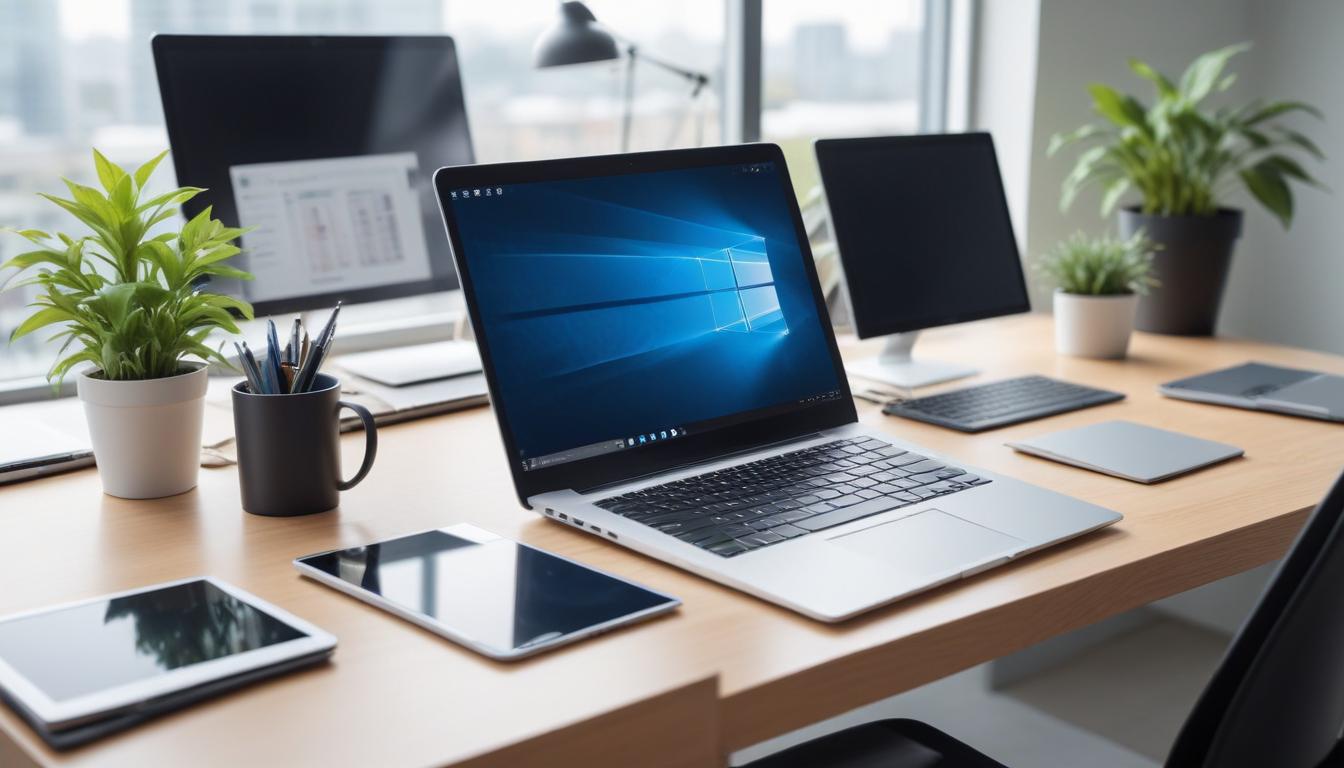
Walk through the corridors of District, the sprawling coworking complex that opened last year in New Cairo's tech hub near the American University, and you'll notice something that would have been unthinkable a decade ago: fewer than half the desks are occupied at any given time. Yet the space is expanding, not contracting.
This paradox captures the current moment in Cairo's workspace evolution. As traditional office leases have become economically unfeasible for bootstrapped startups—premium commercial space in the CBD now costs between 400-600 Egyptian pounds per square metre monthly—a new generation of founders has embraced radical flexibility. The result is a scramble among coworking operators to redefine what "office" means in a post-pandemic world.
The numbers tell part of the story. According to data from the Egyptian Startup Association, membership-based coworking spaces across Cairo have grown from roughly eight facilities in 2020 to over thirty by mid-2026. Prices have compressed dramatically, with hot-desking options now available for as little as 800-1,200 pounds monthly, compared to 2,500 pounds three years ago. Private office pods, once considered a premium luxury in spaces like Flat6Labs in Maadi, are now standard offerings in emerging complexes scattered across Heliopolis and Zamalek.
But the real shift is ideological. Venture capital firms that once demanded their portfolio companies maintain physical headquarters have loosened those requirements. Multiple Cairo-based VCs now explicitly support remote-first operations, provided founders maintain some form of collaborative workspace access for critical meetings and team building. This has fragmented the market into specialised segments: some operators focus exclusively on meeting rooms, others on all-night coding environments for developers, and still others on what might be called "wellness coworking"—spaces in Garden City and Gezira that combine professional infrastructure with mental health support.
The challenge ahead is consolidation. Cairo's coworking sector has reached saturation in premium neighbourhoods, forcing newer entrants to explore secondary locations like 6th of October City and New Administrative Capital—a risky gamble given the commute times and nascent tech ecosystems there. Several established operators have already begun partnerships rather than competing directly, with district-based hubs clustering to offer members city-wide access.
What's clear is that Cairo's startup founders have permanently abandoned the notion that "work" requires a fixed desk in a fixed location. The coworking industry's job now is to serve that reality, not fight it.
This article was compiled by AI and screened before publishing. See our editorial standards.
How does this story make you feel?
Spread the word
About this article
Published by The Daily Cairo
Daily brief
Free, in your inbox before 7am. Weekdays.
More in tech