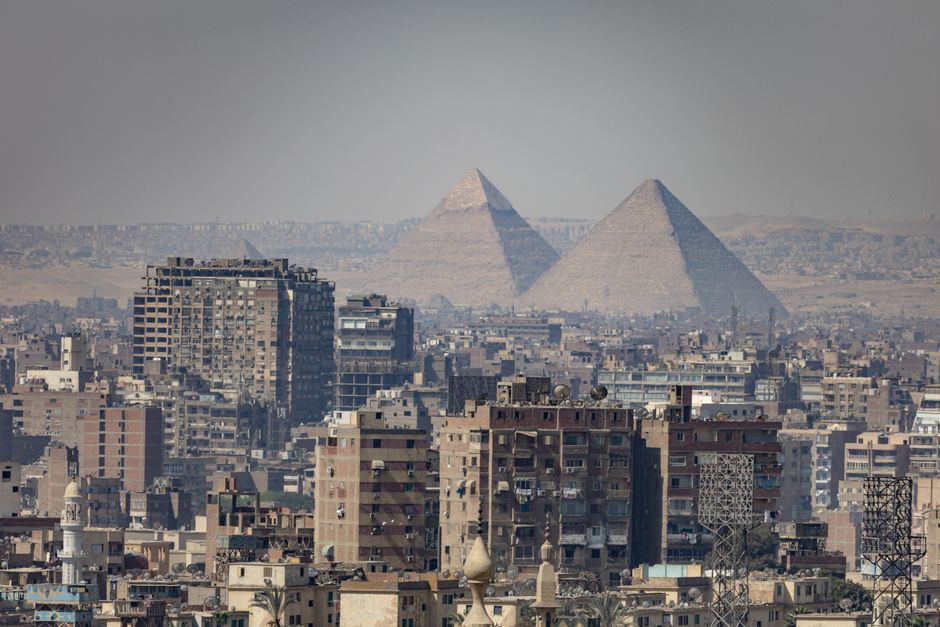
The transformation is visible across Cairo's skyline. Where traditional office parks once dominated, sleek coworking spaces now line Sheikh Zayed Street in New Cairo, while converted heritage buildings in Downtown house hot-desking startups. This shift reflects a seismic change in how Egypt's capital approaches work—and investors are pouring money into it.
Cairo's coworking sector has attracted over $180 million in venture capital since 2023, according to regional investment tracking platforms, with major Gulf-backed funds and international VCs targeting the market. This mirrors global trends, but Cairo's story is distinctly local: a young, digitally-native workforce, competitive real estate costs compared to London or Dubai, and growing demand from multinational companies seeking regional hubs have created a perfect storm for investment.
The numbers tell the story. Coworking spaces in central Cairo neighbourhoods now rent at 3,500–6,000 EGP per desk monthly—significantly cheaper than traditional corporate offices and attractive to freelancers, tech firms, and remote workers from across the Middle East and North Africa. Developers have responded aggressively. New properties in Maadi, Heliopolis, and the emerging tech corridor near the American University have launched with dedicated programming for startups, from pitch events to investor networking.
"The pandemic accelerated what was already coming," said industry observers tracking the trend. Remote work legitimacy meant companies no longer needed sprawling headquarters. For Cairo, a city historically dependent on government and traditional sectors, this created opportunity. A generation of Egyptian tech entrepreneurs—many who'd been forced to work remotely during pandemic restrictions—discovered they could build companies from anywhere. The coworking sector provided the infrastructure.
Major regional players have staked claims. Real estate firms from Riyadh and Abu Dhabi have acquired or franchised coworking concepts across Cairo, while Egyptian developers like Palm Hills have integrated flexible workspace into mixed-use developments. Local startups, too, have raised significant seed rounds to build Cairo-first coworking brands targeting the African market.
The investment momentum reflects broader confidence in Cairo's knowledge economy. Tech talent costs remain a fraction of Western markets, internet infrastructure has improved markedly since 2020, and cultural factors—Cairo's reputation as a creative hub, its proximity to African markets—make it strategically valuable for regional firms seeking expansion.
By 2027, analysts estimate Cairo could host over 200 coworking venues, up from roughly 40 in 2022. That growth, funded by venture capital and corporate real estate investment, signals a fundamental reset: Cairo isn't just a place where people work anymore. It's becoming a destination for the way people work.
This article was compiled by AI and screened before publishing. See our editorial standards.