Cairo's Green Tech Blueprint: What's Coming Next in ...
As Egypt pivots toward renewable energy targets, a new wave of sustainable technologies is poised to reshape the capital's urban landscape over the next 18 months.
As Egypt pivots toward renewable energy targets, a new wave of sustainable technologies is poised to reshape the capital's urban landscape over the next 18 months.
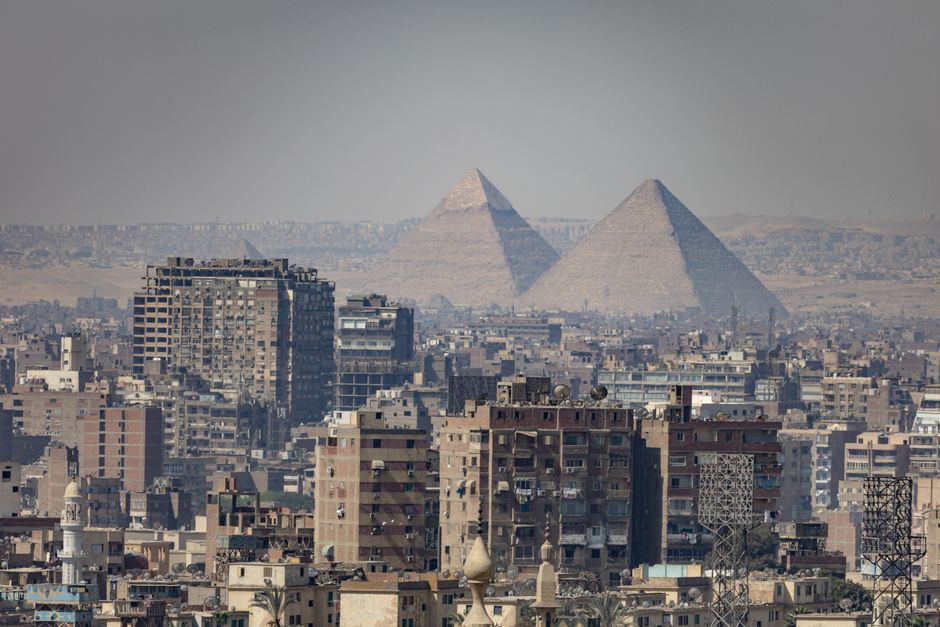
Cairo's tech ecosystem is undergoing a quiet revolution. While the city grapples with energy demands that have strained infrastructure for decades, a cluster of startups and established firms are racing to deploy the next generation of clean energy solutions—and the timeline is accelerating faster than many observers anticipated.
The roadmap is ambitious. Solar integration technology designed specifically for Cairo's dense residential areas is moving from prototype to deployment phase. Companies operating from innovation hubs in New Cairo and the Sheikh Zayed district are developing rooftop systems that promise 40% higher efficiency than current installations, with costs dropping toward 2,800 EGP per kilowatt—a significant reduction from 2024 pricing. These systems, tailored for apartment blocks and commercial buildings along the Corniche and in Zamalek, are expected to reach market by Q4 2026.
Water scarcity remains Cairo's existential challenge, and the next frontier is thermal desalination powered entirely by renewable sources. Multiple pilot programs are entering their final testing phases near the coastal fringes of Greater Cairo. One facility near Ain Sokhna is expected to begin limited commercial operations by early 2027, producing fresh water at a rate that could service approximately 15,000 households while operating on solar and wind hybrid systems.
Battery storage technology represents the third pillar. Distributed energy storage networks—essentially neighborhood-scale battery systems—are being engineered to address Cairo's notorious power cuts and grid instability. These systems, installed at strategic points across Helwan and Maadi, are moving from pilot to scaled deployment. Developers are targeting installation across 50 sites by mid-2027, fundamentally changing how the capital manages peak-hour demand.
The most transformative development may be least visible: smart grid infrastructure. Cairo's electricity distribution network, decades old and heavily loss-prone, is being retrofitted with AI-powered management systems. These platforms, developed partly through partnerships with regional tech firms based in the Nile City complex, can predict demand patterns and automatically balance supply with renewable generation. Initial rollout covers central Cairo neighborhoods; full implementation across the metropolis is projected for 2028.
Government commitment, formalized through Egypt's updated renewable energy roadmap, pledges 42% of electricity generation from renewables by 2030. For Cairo specifically, that translates to sustained investment and regulatory frameworks that make these deployments commercially viable. The question is no longer whether these technologies arrive—it's whether Cairo's infrastructure and talent pipeline can absorb them at scale. Early signs suggest both are mobilizing.
This article was compiled by AI and screened before publishing. See our editorial standards.
How does this story make you feel?
Spread the word
About this article
Published by The Daily Cairo
Daily brief
Free, in your inbox before 7am. Weekdays.
More in tech