Cairo's Smart City Push Hits Critical Mass as Startups ...
A confluence of regulatory momentum and private investment is reshaping how the Egyptian capital manages traffic, waste, and citizen services—but execution challenges remain.
A confluence of regulatory momentum and private investment is reshaping how the Egyptian capital manages traffic, waste, and citizen services—but execution challenges remain.
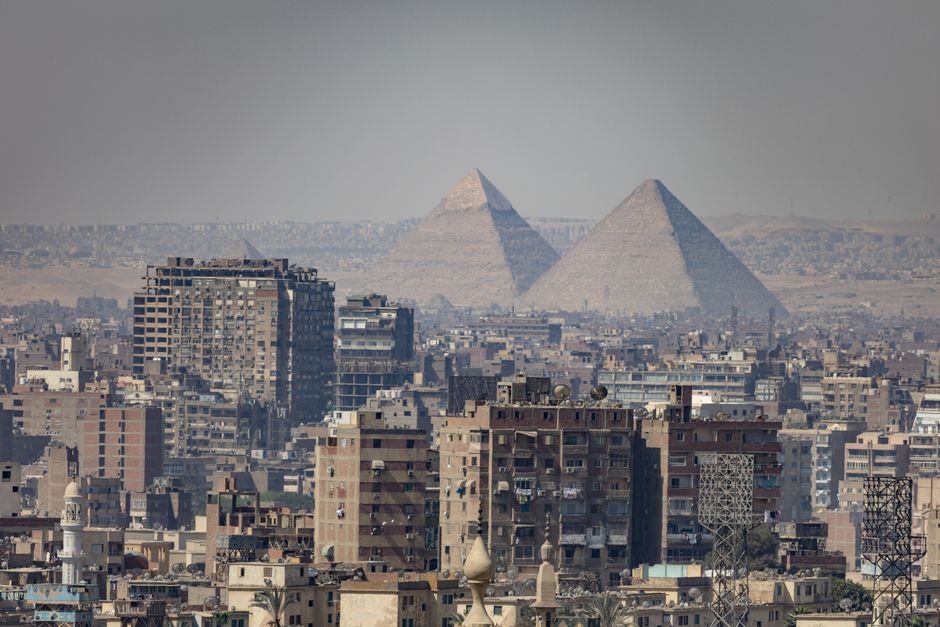
The past eighteen months have marked an inflection point for Cairo's govtech ecosystem. After years of incremental progress, the city's startup community is now racing to build digital infrastructure at scale, capitalizing on renewed government commitment to smart city initiatives and a wave of venture capital flowing into the sector.
The momentum is visible across multiple neighbourhoods. In New Cairo, where tech companies cluster near the AUC campus and along Ring Road, at least seven startups are now focused on municipal digitization—up from two in 2024. Zamalek-based firms are concentrating on citizen-facing platforms, while Downtown Cairo's older financial districts are attracting backend infrastructure specialists. Nasr City, traditionally home to larger corporate tech operations, is seeing increased startup activity in IoT and sensor networks.
The Cairo Governorate's recent directive to digitize permit applications by mid-2027 has created genuine urgency. Startups are responding with dedicated platforms targeting the 12,000+ annual applications previously processed entirely on paper. One firm estimates the market opportunity at roughly 45 million Egyptian pounds annually. Investment rounds have followed: three govtech startups closed Series A funding in Q1 2026 alone, collectively raising approximately $8.5 million.
Traffic management remains the most visible battleground. Congestion costs Cairo an estimated 3.5% of annual economic output. At least four startups are now piloting AI-powered traffic light coordination systems across different districts—Maadi, Heliopolis, and parts of Giza included. Early data from limited deployments suggests 18-22% reduction in commute times on test corridors, though city-wide scaling requires infrastructure investment the municipality is only now beginning to commit.
Waste management digitization is attracting quieter but equally serious attention. Cairo generates roughly 20,000 tonnes of waste daily. Startups are deploying sensor networks and collection route optimization software, with pilots underway in Garden City and Dokki. The environmental upside is clear; the financial model remains contested.
Not everything is accelerating smoothly. Regulatory clarity remains patchy—different directorates within the Governorate sometimes issue conflicting requirements. Data access remains heavily gated, complicating development. Several founders report frustration with bureaucratic timelines that exceed typical startup patience thresholds.
Yet the broader direction feels irreversible. Cairo's tech community has moved from hoping government would modernize to actively building the tools for that transformation. The next 24 months will determine whether the current momentum translates into functioning systems that actually improve how Africa's largest city operates.
This article was compiled by AI and screened before publishing. See our editorial standards.
How does this story make you feel?
Spread the word
About this article
Published by The Daily Cairo
Daily brief
Free, in your inbox before 7am. Weekdays.
More in tech