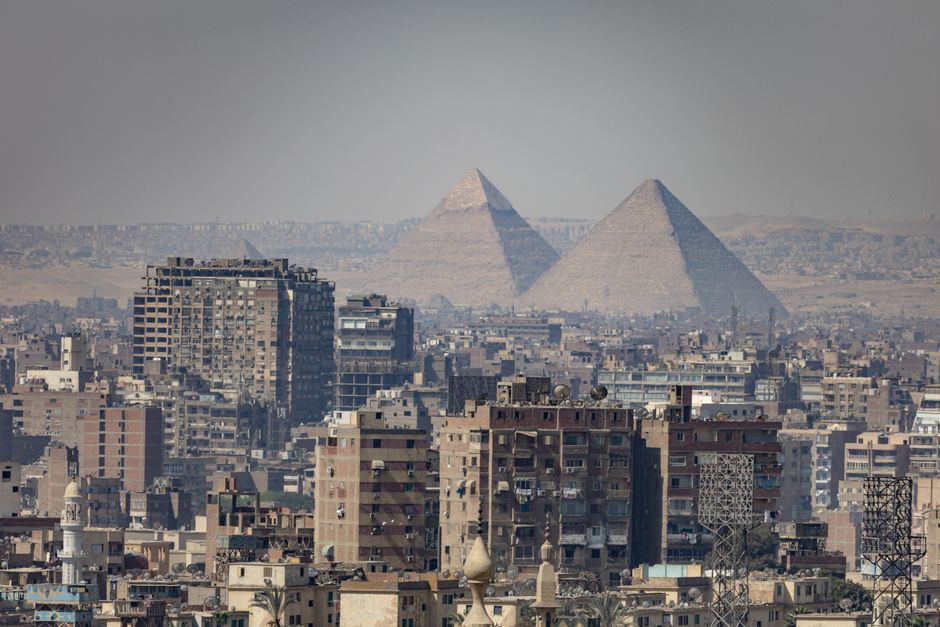
Walk through the co-working spaces clustered around Sheikh Zayed City and Downtown Cairo, and you'll notice a shift. Where fintech and e-commerce startups once dominated pitch decks, clean energy innovations are now competing for investor attention—and winning.
The timing is urgent. Egypt's electricity demand is projected to reach 70 gigawatts by 2030, while traditional power generation remains costly and pollution-heavy. For Cairo's tech entrepreneurs, this crisis has become an opportunity. At least a dozen solar, energy storage, and smart grid startups have launched or significantly expanded operations in the past 18 months, according to data from the Egyptian Tech Summit organisers.
Several early-stage ventures are focusing on residential solar solutions, targeting middle-income families in New Cairo and Heliopolis who face frequent power cuts and rising tariffs. Installation costs have dropped to around 35,000–50,000 Egyptian pounds per kilowatt, making systems increasingly affordable. Meanwhile, companies are developing AI-powered demand-management platforms to help factories and commercial buildings reduce consumption during peak hours.
The ecosystem benefits from recent government support. Egypt's New Administrative Capital hosting several tech incubators, while the Sovereign Fund of Egypt has allocated funds specifically for green innovation projects. However, founders point to ongoing challenges: access to financing remains tight, grid interconnection processes are bureaucratic, and competition from regional players in the UAE and Saudi Arabia is intensifying.
Investment activity tells the story. In 2025, cleantech startups in Egypt attracted roughly $45 million in funding—a modest figure by global standards, but a threefold increase from three years prior. Most deals involve rounds under $5 million, suggesting investor caution, yet momentum is building.
What's particularly striking is the geographic spread. While the bulk of activity remains in Cairo's business districts, some ventures are piloting solutions in satellite cities like 6th of October and Sheikh Zayed, testing scalability before expanding nationally. One startup is working with agricultural cooperatives in the Delta region on solar-powered irrigation systems—a critical application given water scarcity pressures.
The talent pool remains constrained, though improving. Universities including the American University in Cairo and the German University in Cairo are expanding clean energy curricula. Still, experienced engineers often migrate to larger markets, a persistent drain on local capacity.
By next year, expect more consolidation and deeper corporate partnerships as established energy firms recognize the threat and opportunity posed by startup innovation. For now, Cairo's green tech scene is scrappy, underfunded, but unmistakably alive.
This article was compiled by AI and screened before publishing. See our editorial standards.