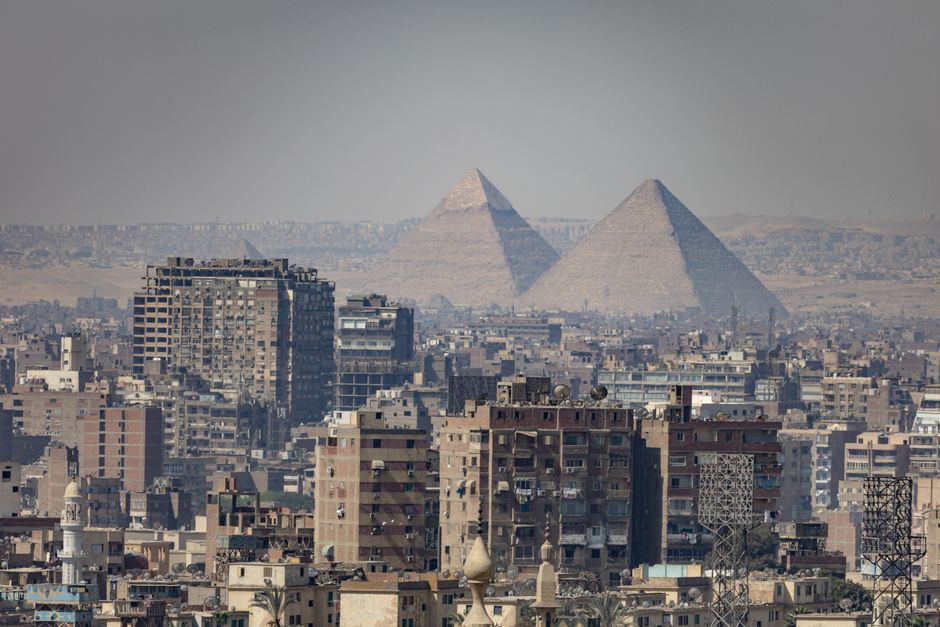
Walk through the gleaming tech hubs of New Cairo or down Sheikh Zayed Street, and you'll hear an optimistic narrative: Egypt is pivoting toward clean energy. Solar installations are multiplying. International climate finance is flowing in. By 2030, the government targets 42% renewable capacity. On the surface, it's a story of progress.
But beneath the headlines lies a messier reality that few venture capitalists or development agencies discuss openly.
The Benban Solar Complex in Aswan, one of the world's largest solar parks, represents Egypt's green ambitions at scale. Yet displacement of agricultural communities in the Nile Delta—where much renewable infrastructure is being sited—has received minimal scrutiny. Farmers losing irrigation access or land tenure rights rarely appear in sustainability reports. The human cost of decarbonisation remains largely invisible.
Closer to Cairo, the rush to expand the grid poses infrastructure challenges. The Egyptian Electric Utility and Consumer Protection Regulatory Authority has overseen rapid expansion, but safety standards for solar installation workers remain loosely enforced. A 2024 labour survey by the Cairo-based Workers' Rights Initiative documented inadequate fall protection and heat stress protocols on rooftop solar projects across Helwan and 6th of October City.
There's also the question of resource extraction. Solar panel manufacturing demands rare earth minerals and silicon processing that generates toxic waste. Most Egyptian panels are imported; we're externalising the environmental burden elsewhere while claiming the moral high ground domestically.
Financing mechanisms add another layer of concern. Green bonds and multilateral climate loans often come with conditions that prioritise large corporate projects over community-led renewable initiatives in poorer neighbourhoods like Imbaba or Zawiya al-Hamra. Who benefits from the transition?
The risks are not hypothetical. Equipment failures, inadequate maintenance protocols, and grid instability from variable renewable sources could threaten Egypt's fragile power balance—especially as heatwaves intensify and demand spikes. Last summer, rolling blackouts affected millions, partly due to grid strain during the renewable transition.
None of this negates the urgent necessity of moving away from fossil fuels. Climate change poses an existential threat to Egypt's Nile Delta and coastal cities. But honest reckoning demands we ask harder questions: Are we building a genuinely just energy transition, or simply green-washing existing inequalities?
As Cairo positions itself as a regional tech and sustainability leader, these contradictions demand urgent attention from policymakers, investors, and civil society. The promise of clean energy is real. So are the risks of getting it wrong.
This article was compiled by AI and screened before publishing. See our editorial standards.