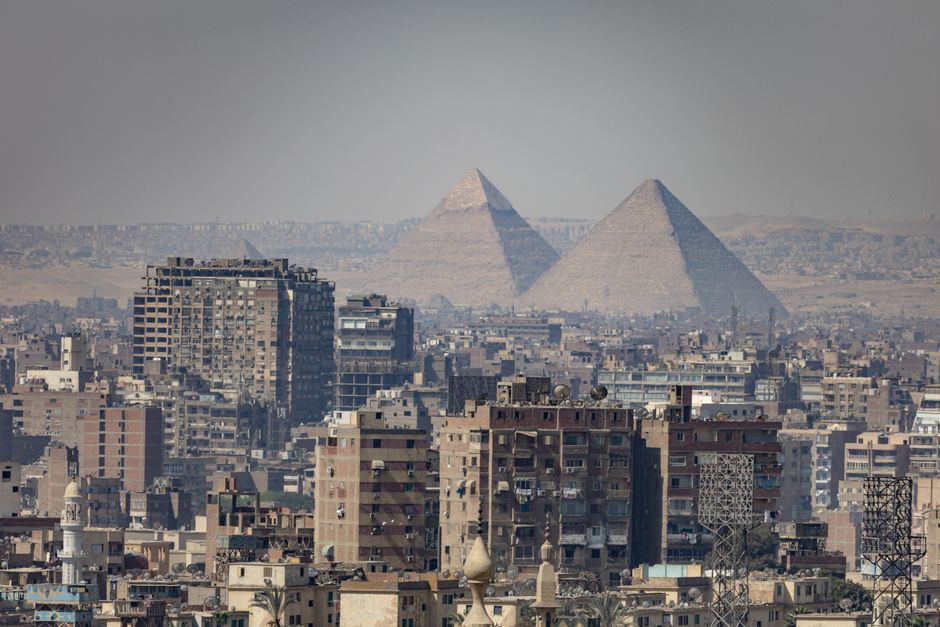
For Fatima Ahmed, a graphic designer who works in the gleaming office parks of New Cairo, the daily commute from her apartment in Maadi used to consume nearly two hours. Today, armed with an AI-powered routing application developed by local startup NaviCairo, her average travel time has dropped to 45 minutes. "The app learns from thousands of real-time data points across the city," Ahmed explains, checking her phone as she waits at a café near the Nile Corniche. "It's like having someone who knows every back alley in Cairo whispering directions in your ear."
This shift represents a quiet revolution taking hold across Cairo's neighbourhoods. The city's innovation ecosystem, concentrated in hubs like the Smart Village in New Cairo and the emerging tech corridor around Downtown Cairo, has begun deploying sophisticated technologies that address the grinding realities of urban life in a megacity of over 20 million people. Beyond navigation, startups are tackling water shortages, energy consumption, and air quality monitoring—problems that directly impact residents from Helwan to Zamalek.
According to a recent survey by Cairo's Technology and Innovation Authority, approximately 2.3 million residents now use at least one locally-developed tech application weekly, up from 800,000 in 2024. The market value of Cairo-based tech companies reached $1.8 billion in 2025, with venture capital investment flowing in from regional and international funds eager to tap into Africa's second-largest tech ecosystem.
One particularly notable innovation comes from AquaTech Cairo, a three-year-old startup operating from a renovated warehouse in Zamalek. Their IoT-enabled water management system, now deployed in over 40 neighbourhoods, has reduced residential water waste by an average of 28 percent. Monthly water bills for participating households have dropped by approximately 180 Egyptian pounds on average. "We're not just building apps in Cairo—we're solving for Cairo," says the company's impact report, noting installations across Giza, Helwan, and East Cairo districts.
The growth hasn't been without challenges. Infrastructure limitations, inconsistent internet connectivity in outlying areas, and regulatory ambiguity continue to constrain expansion. Yet momentum persists. The Egyptian government's recent Digital Transformation Initiative has pledged $400 million toward supporting homegrown tech enterprises through 2028, signalling serious commitment to the sector.
For ordinary Cairenes, the practical impact is tangible: shorter commutes, lower utility bills, cleaner air monitoring data. As these innovations scale, they're reshaping not just how residents navigate their city, but their relationship with it.
This article was compiled by AI and screened before publishing. See our editorial standards.