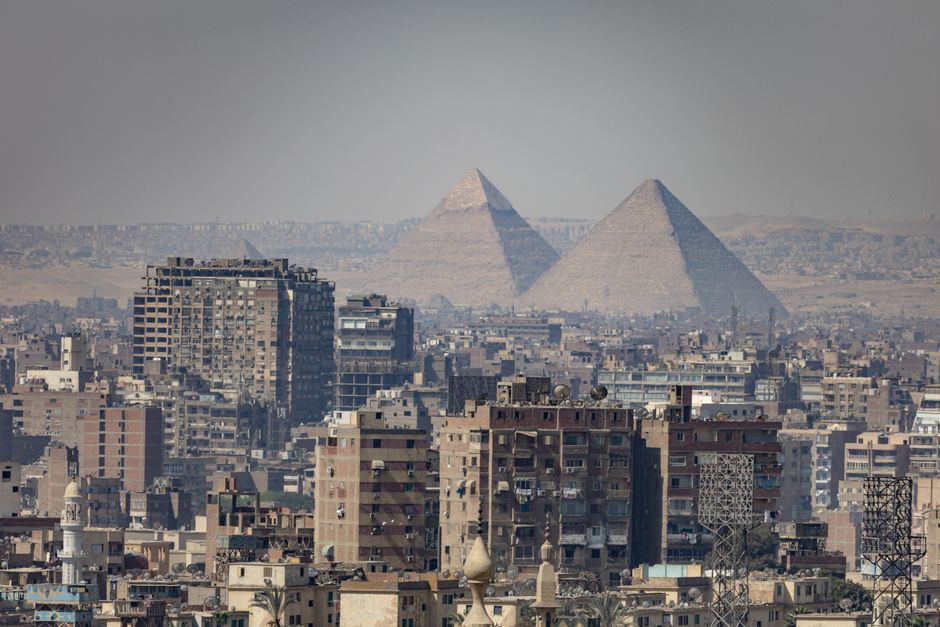
Cairo's skyline may still be dominated by concrete and exhaust fumes, but beneath the surface, a quiet financial revolution is underway. The Egyptian capital has become an unexpected magnet for clean energy investment, with venture capital flowing into solar, wind, and battery technology startups at unprecedented rates.
According to regional investment trackers, clean-tech funding in Egypt reached approximately $340 million in 2025, more than triple the $110 million deployed in 2023. Much of this capital is concentrating in innovation hubs dotting New Cairo and Heliopolis, where tech-savvy entrepreneurs are building solutions to Egypt's chronic energy shortage and crippling electricity costs.
The funding surge reflects a fundamental shift in investor appetite. Gulf sovereign wealth funds, European climate investors, and Cairo-based venture firms are betting heavily that Egypt's energy crisis will drive rapid adoption of distributed solar and storage solutions. With industrial electricity costs hovering around 2.5 Egyptian pounds per kilowatt-hour—among the highest in the Middle East—businesses are desperate for alternatives.
Several high-profile rounds have signaled this momentum. A rooftop solar installation company based near Zamalek closed a $12 million Series A in early 2026, while a battery management software firm in New Cairo secured $8.5 million from investors including Flat6Labs and regional family offices. These deals would have been unthinkable five years ago.
"The narrative has shifted," explains the investment landscape. What was once niche green entrepreneurship is becoming economically rational. A medium-sized manufacturing facility in the industrial zones of Helwan or 6th of October City can recoup solar installation costs in under four years, creating compelling unit economics that appeal to institutional capital.
Government policy has been a quiet tailwind. Egypt's Integrated Sustainable Energy Strategy targets 42 percent renewable energy by 2030, and the Suez Canal Economic Zone has begun offering tax incentives for clean-tech manufacturing. These measures, coupled with the Central Bank's green financing initiative, have removed regulatory friction.
Yet challenges remain. Grid integration complexities, high upfront capital requirements, and policy uncertainty around subsidy reforms still constrain scaling. Most funded startups operate in B2B segments serving large industrial and commercial clients rather than the mass residential market where impact could be broadest.
Still, as Cairo grapples with pollution, blackouts, and climate stress, venture capitalists see an enormous addressable market. The investment surge suggests they're betting the capital won't just weather the energy transition—it will lead it.
This article was compiled by AI and screened before publishing. See our editorial standards.