Cairo's Stadium Usage Tells a Story of Fitness Ambition ...
New participation data from the city's major sporting venues reveals how Cairenes are reshaping their relationship with fitness—and what barriers still stand in their way.
New participation data from the city's major sporting venues reveals how Cairenes are reshaping their relationship with fitness—and what barriers still stand in their way.
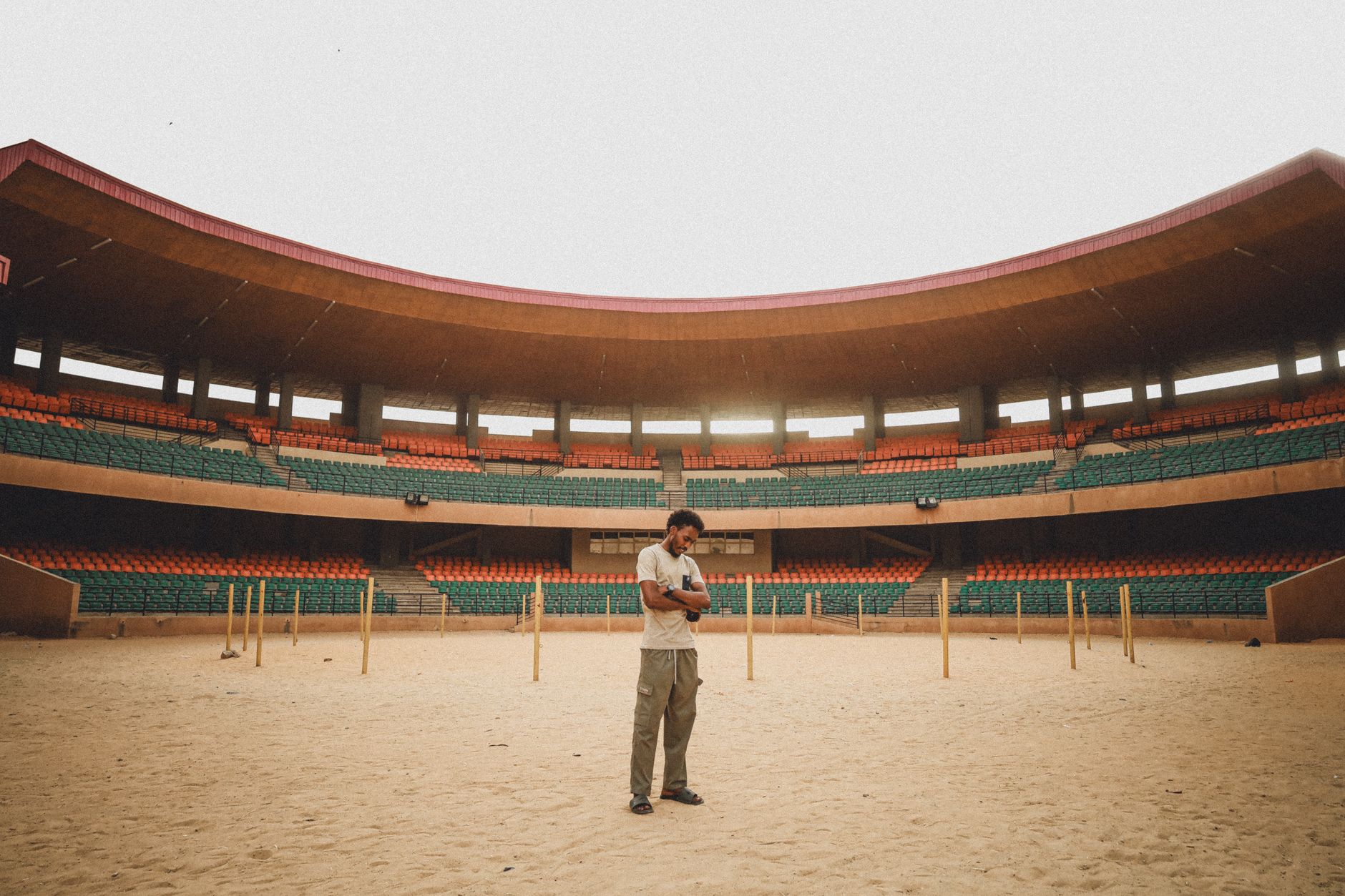
The numbers from Cairo's premier sporting facilities paint an intriguing portrait of a city caught between aspiration and constraint. As participation records from the International Stadium in Heliopolis, the Gezira Club, and the newly refurbished Cairo Stadium in Nasr City have become public this quarter, a clearer picture emerges of how fitness culture is evolving in Egypt's sprawling capital.
The International Stadium, long the centrepiece of Cairo's athletic infrastructure, recorded approximately 24,000 monthly memberships in its various programmes as of last month—a 34 percent increase from the same period two years ago. Yet the data tells a more nuanced story than headline growth suggests. While group fitness classes at the venue now operate at near-capacity during morning and evening slots, midday usage remains stubbornly low, suggesting that employment patterns and heat remain significant barriers to consistent participation.
More revealing still are the neighbourhood-level disparities. The Gezira Club, accessible primarily to those in Zamalek and Garden City, maintains waiting lists for both swimming and tennis facilities, with annual membership fees ranging from 15,000 to 45,000 Egyptian pounds. Meanwhile, facilities in Helwan and Shubra struggle with equipment maintenance and lower engagement rates despite lower entry costs. This geographical split underscores how Cairo's fitness culture remains stratified by both economics and geography.
The reopening of the Cairo Stadium's public gymnasium on Salah Salem Road in Nasr City has proven transformative for eastern Cairo residents, recording over 8,000 registered users within four months of launch. Community centre data suggests that subsidised rates—ranging from 150 to 300 pounds monthly—have democratised access in ways private facilities cannot. Yet even here, participation among women remains below 30 percent, a concerning figure that reflects broader social and safety concerns.
Perhaps most telling is the temporal data. Participation across major venues spikes dramatically during Ramadan's post-iftar hours and crashes during summer months, when temperatures frequently exceed 40 degrees Celsius. This seasonality suggests that Cairo's fitness culture remains hostage to climatic realities that air-conditioned facilities partially mitigate—but cannot entirely overcome.
The emerging picture is of a city where fitness aspiration is genuine and growing, yet remains fragmented by geography, economics, and environment. As Cairo continues to expand and evolve, how effectively its sporting infrastructure serves all residents—not merely the privileged few—may define the city's health trajectory for years to come.
This article was compiled by AI and screened before publishing. See our editorial standards.
How does this story make you feel?
Spread the word
About this article
Published by The Daily Cairo
Daily brief
Free, in your inbox before 7am. Weekdays.
More in Sport