Cairo's youth sports landscape has expanded dramatically over the past five years, with hundreds of grassroots clubs now operating across the city's neighbourhoods. Whether your child dreams of playing football, swimming, martial arts or volleyball, understanding how to navigate the system—and what to expect financially—is essential for parents considering organised sports.
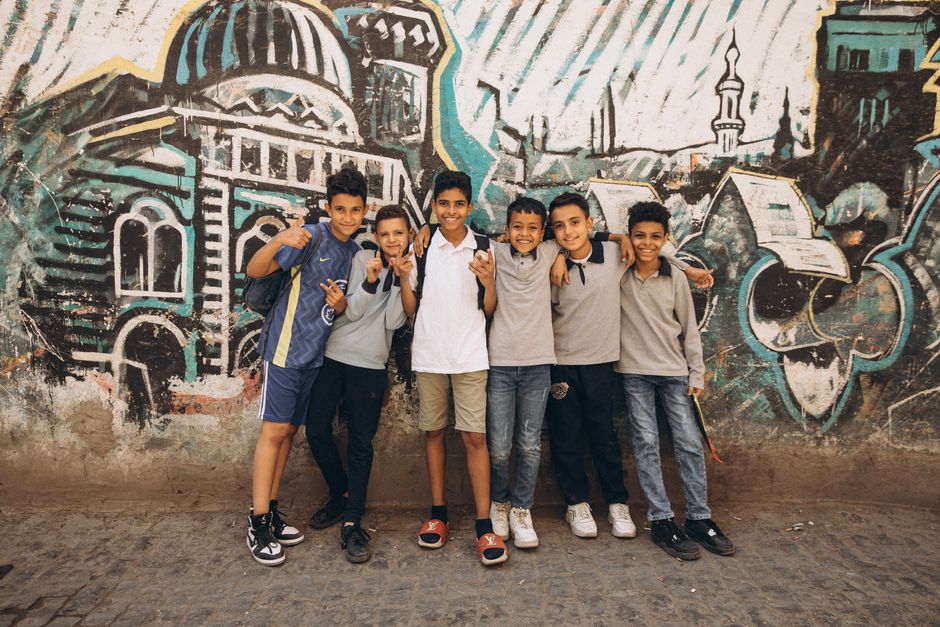
The most accessible entry point remains football. Clubs like Al Ahly Youth Academy in Nasr City and Gezira Youth Academy on Gezira Island accept children from age 5 onwards, with registration fees typically ranging from 1,200 to 3,500 Egyptian pounds annually, depending on facility quality and coaching credentials. Most academies offer trial sessions lasting two weeks before commitment, allowing coaches to assess skill levels and parents to observe training methods.
Swimming remains equally popular, particularly in Heliopolis and Maadi where clubs have better facilities. The Heliopolis Club and similar venues charge 2,000–4,000 pounds yearly for youth programmes, often including structured progression from beginner to competitive levels. Many clubs operate on a semester system (September-January, February-June), making budgeting straightforward for families.
Martial arts clubs—karate, taekwondo and judo—have proliferated in districts like Dokki and New Cairo. These typically cost 1,000–2,500 pounds monthly and require minimal equipment investment initially, though belts and formal uniforms eventually add 500–1,500 pounds to overall costs.
Documentation requirements are consistent across most organisations: a birth certificate copy, proof of residence (utility bill or school record), and often a basic medical clearance confirming your child has no contraindications to physical activity. Some clubs, particularly those affiliated with larger sporting federations, may require Egyptian national ID numbers for registration.
Beyond fees, parents should prioritise coaching qualifications and facility standards. Ask whether coaches hold recognised certifications from the Egyptian Federation or international bodies. Visit during training hours—don't just rely on marketing materials—to assess equipment maintenance, student-to-coach ratios (ideally 8:1 for youth groups), and safety protocols.
Many clubs offer scholarship programmes or reduced fees for talented athletes or families with demonstrated financial need. Contact club directors directly; these arrangements aren't always advertised publicly. Additionally, several NGOs operating in Cairo's less affluent areas offer free or subsidised sports programmes, including those run by international organisations in Shubra and Bulaq.
Start your search by visiting clubs in your neighbourhood rather than commuting across the city—sustainability matters more than prestige. Most will accommodate trial sessions in their first two weeks of operation each semester. Ask about progression pathways: does the club facilitate competition, or is it recreational? Understanding the club's philosophy ensures alignment with your family's expectations.
This article was compiled by AI and screened before publishing. See our editorial standards.