Cairo's Grassroots Clubs Build Champions—and Communities
From Zamalek to Helwan, neighbourhood football and handball clubs are nurturing young talent while strengthening social bonds across Egypt's sprawling capital.
From Zamalek to Helwan, neighbourhood football and handball clubs are nurturing young talent while strengthening social bonds across Egypt's sprawling capital.
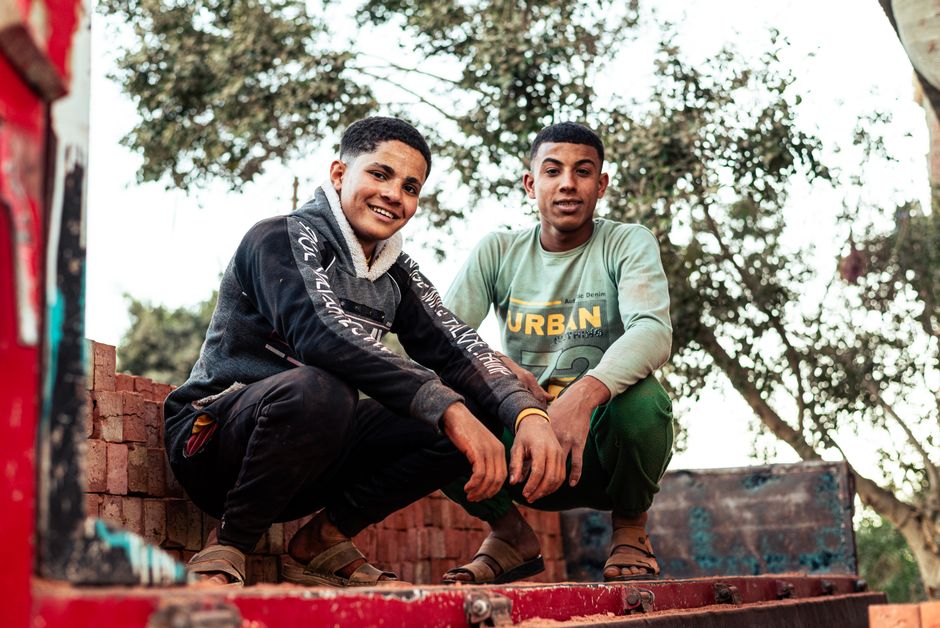
Walking through the Gezira Sports Club's training grounds at sunset, or stopping by the modest pitches behind Al-Ahly's youth academy in Nasr City, you'll witness a quieter revolution in Egyptian sport. While professional leagues dominate headlines, Cairo's grassroots clubs are doing the unglamorous, essential work: developing tomorrow's champions while weaving social fabric across a city of over 21 million people.
The numbers tell a compelling story. According to the Cairo Youth Sports Federation, registered community clubs have grown 34% over the past four years, with youth participation reaching nearly 180,000 across football, handball, volleyball, and athletics. These aren't just training grounds—they're anchors for neighbourhoods from Dokki to Helwan, from Garden City to Shubra.
Take the Zamalek Sporting Club's neighbourhood outreach programme, which operates satellite training hubs across central Cairo. For membership fees starting at 200 Egyptian pounds monthly, young athletes access professional coaching, nutrition guidance, and education support. Similar models operate through clubs like Sporting Club and Heliopolis Club, each adapting to their communities' specific needs.
What distinguishes Cairo's grassroots scene is its social multiplier effect. The Helwan Youth Athletic Club, established in the industrial zone's residential areas, has become more than a training facility. It provides safe spaces where girls comprise 28% of membership—a significant cultural shift in a city where female sports participation remains below national averages. Their handball team has produced three national junior champions since 2023.
Funding remains the eternal challenge. Government support covers roughly 15% of operational costs for most clubs, pushing administrators to seek corporate sponsorships and rely on volunteer coaches—often retired athletes who see it as community service. Yet this constraint breeds innovation. Many clubs now operate sliding-scale fee systems, ensuring economically disadvantaged youth aren't excluded.
The infrastructure varies wildly. While established clubs in Maadi and New Cairo boast modern facilities, grassroots clubs in working-class areas like Imbaba operate with basic equipment on reclaimed open land. Yet talent emerges regardless of circumstance. Recent national youth selections have drawn heavily from neighbourhood clubs, proving that quality coaching and community belief matter more than gleaming facilities.
As Cairo's youth continue facing unemployment pressures and social fragmentation, these clubs offer something precious: structure, mentorship, and collective identity. They're not solving Egypt's challenges, but they're showing how sport, when rooted in community, becomes a vehicle for development that transcends trophies and statistics.
This article was compiled by AI and screened before publishing. See our editorial standards.
How does this story make you feel?
Spread the word
About this article
Published by The Daily Cairo
Daily brief
Free, in your inbox before 7am. Weekdays.
More in Sport