The Numbers Don't Lie: What Cairo's Football Boom Reveals About Our Fitness Future
New participation data shows the city's grassroots football movement is reshaping how Cairenes approach health and community, far beyond the professional game.
New participation data shows the city's grassroots football movement is reshaping how Cairenes approach health and community, far beyond the professional game.
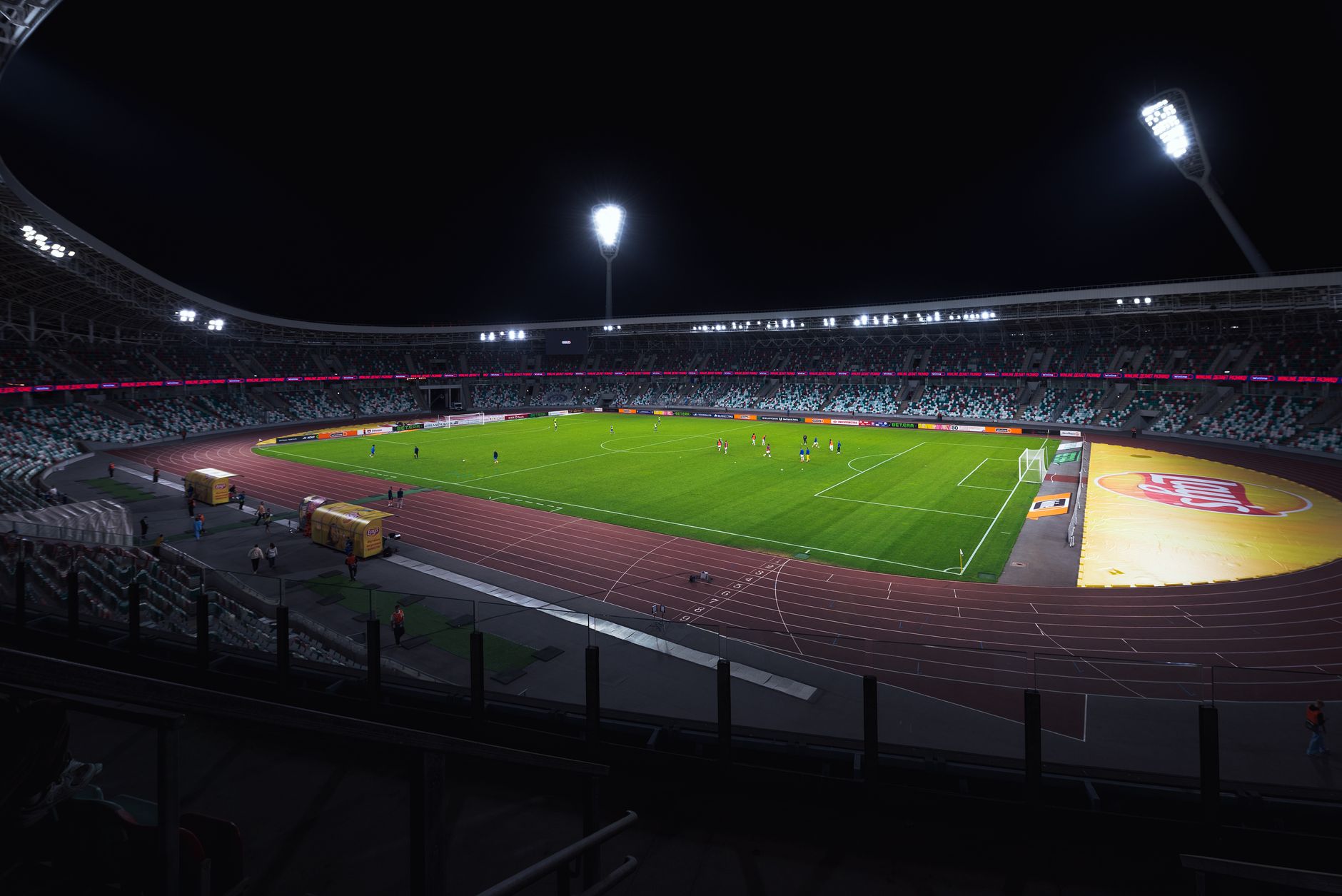
Walk through Gezira Island on any weekday evening, and you'll see something that would have seemed unthinkable a decade ago: dozens of amateur football pitches packed with players ranging from teenagers to professionals in their 40s. This isn't just casual recreation—it's a measurable shift in how Cairo's residents are engaging with fitness and community sport.
According to recent participation data compiled by the Cairo Sports Federation, grassroots football clubs affiliated with formal leagues have grown by 37 per cent since 2023. More strikingly, women's participation in organised football has jumped 52 per cent over the same period, with new clubs emerging across Helwan, Maadi, and the New Cairo districts. The data suggests something deeper than a passing trend: football has become the primary entry point for fitness culture in a city where gym memberships remain prohibitively expensive for many.
The economics tell the story. A monthly gym membership in central Cairo averages 800 to 1,200 Egyptian pounds. By contrast, joining a grassroots football club costs between 300 and 500 pounds, with many neighbourhood associations charging minimal fees for pitch access. This accessibility gap explains why informal five-a-side tournaments in Nasr City and Zamalek attract crowds far exceeding professional stadium attendance on certain weekends.
"Football doesn't require expensive equipment or air conditioning," notes the data. What it does require—and what Cairo's residents are increasingly providing—is organisation. The rise of WhatsApp-coordinated leagues across working-class neighbourhoods like Bulaq and Rod El-Farag demonstrates how digital connectivity has democratised team formation. Participation logs show these informal groups now account for roughly 45 per cent of all organised football activity in the greater Cairo area.
But the fitness culture shift extends beyond participation numbers. Health clinics near major football grounds report increased post-injury consultations, suggesting players are taking their conditioning seriously. Nutritionists working with local clubs report growing interest in dietary advice among amateur players, a sector that was largely ignored five years ago.
The implications are significant. While professional clubs like Al-Ahly and Zamalek maintain their cultural dominance, the real fitness revolution is happening on the public pitches and converted vacant lots where ordinary Cairenes are discovering that football offers something gyms cannot: community, affordability, and a reason to keep showing up.
For a city grappling with public health challenges, this grassroots movement represents an unexpected public health asset. The participation data suggests Cairo's fitness future may not be written in air-conditioned facilities, but on the dusty pitches where neighbours become teammates.
This article was compiled by AI and screened before publishing. See our editorial standards.
How does this story make you feel?
Spread the word
About this article
Published by The Daily Cairo
Daily brief
Free, in your inbox before 7am. Weekdays.
More in Sport