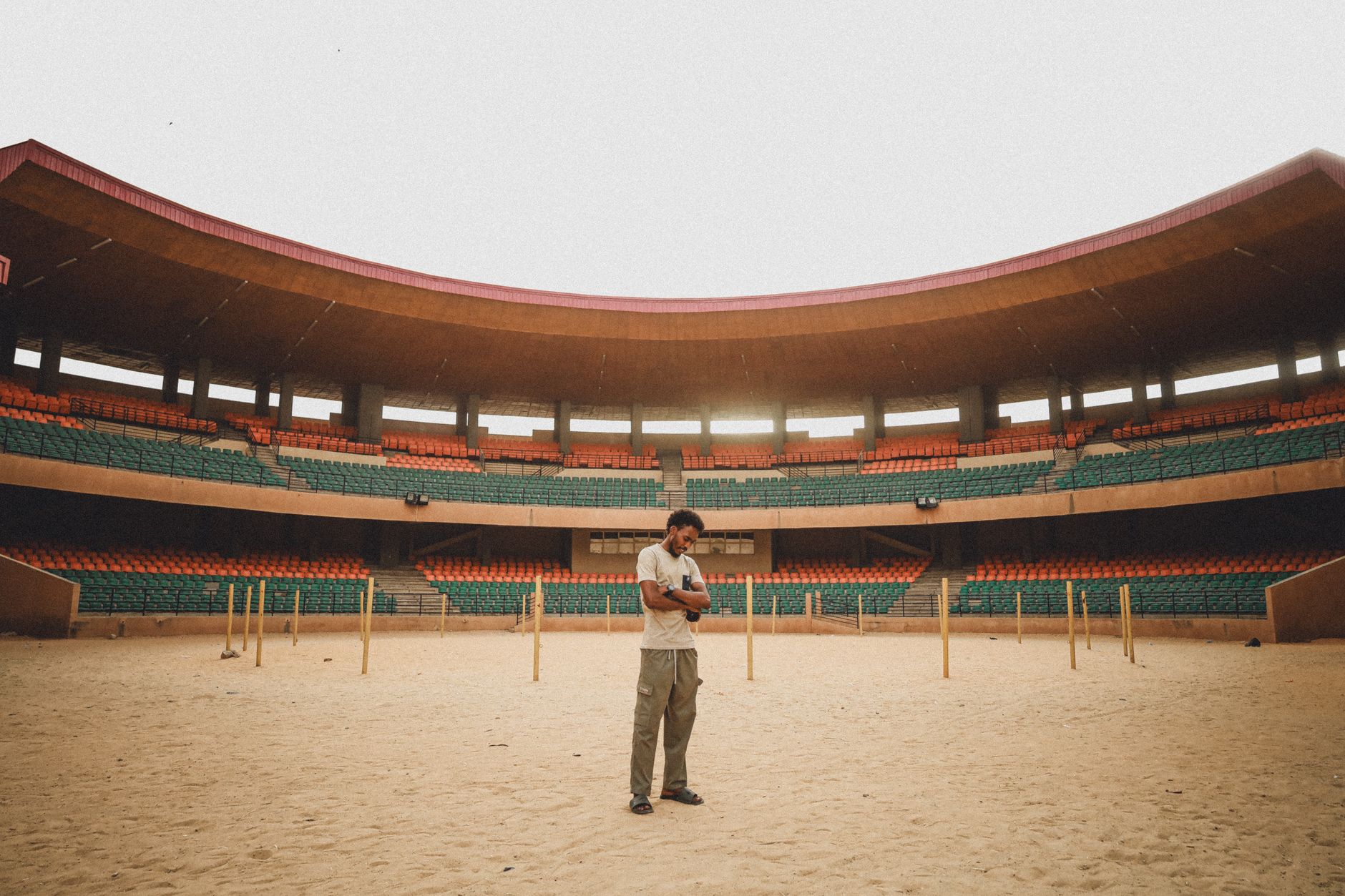
The International Stadium in Heliopolis has never been busier. According to facility management data released this month, morning participation in organized athletic programmes has surged 34% over the past 18 months, with evening sessions now regularly exceeding 60% capacity. But the real story isn't just about numbers—it's about what Cairo's fitness participation patterns tell us about the city's evolving relationship with health and wellness.
The Cairo Sporting Club in Gezira, one of the capital's oldest and most prestigious venues, reports that female membership now accounts for 41% of new registrations, a substantial increase from 28% five years ago. Monthly membership fees, ranging from 800 to 1,200 Egyptian pounds, suggest this growth is occurring across middle-income Cairenes, not just elite demographics. Similar trends appear at newer facilities like the Maadi Club and scattered CrossFit boxes throughout New Cairo, where drop-in rates have climbed 22% annually since 2024.
What's particularly striking is participation timing. Traditional peak hours—6 to 8 a.m. and 5 to 7 p.m.—now show consistent overflow, forcing several venues to add weekend morning sessions. The Nile Corniche running clubs, informally organized but regularly drawing 150+ participants on Friday mornings, have become unofficial barometers of Cairo's fitness enthusiasm. These largely unstructured community efforts rival formal stadium programmes in popularity.
Dr. insights from municipal health initiatives suggest several drivers: increased awareness of lifestyle diseases, growing smartphone fitness-tracking adoption, and a younger demographic prioritizing preventive health over reactive medicine. The proliferation of affordable home equipment during pandemic lockdowns created habits that structured venues are now capitalizing on, rather than competing with.
Yet challenges remain. Participation data also reveals stark geographic inequality. East Cairo residents access proportionally fewer facilities relative to population density, while Zamalek and Heliopolis dominate venue concentration. The average commute to a quality stadium for residents in Shubra or Embaba exceeds 45 minutes—a significant friction point despite cultural enthusiasm.
Price remains another constraint. While 1,000 pounds monthly represents moderate expense for professionals, it exceeds discretionary spending for vast segments of Cairo's workforce. Community programmes at neighbourhood youth centres show robust demand but chronic underfunding.
As Cairo's participation metrics climb, facility managers face a genuine expansion imperative. The data suggests demand far outpaces supply across the metropolitan area. For urban planners and health officials, these figures represent not merely commercial success, but evidence of a fundamental shift in how millions of Cairenes now view fitness—no longer as luxury, but as accessible necessity.
This article was compiled by AI and screened before publishing. See our editorial standards.