The final weeks of Egypt's Premier League season have arrived, and Cairo's football infrastructure is operating at full capacity. As Al Ahly, Zamalek, and a clutch of challengers jostle for positioning ahead of the championship decider, the city's stadiums—from the revitalised International Stadium in Heliopolis to the historic Petro Sport Stadium in Nasr City—are experiencing unprecedented demand.
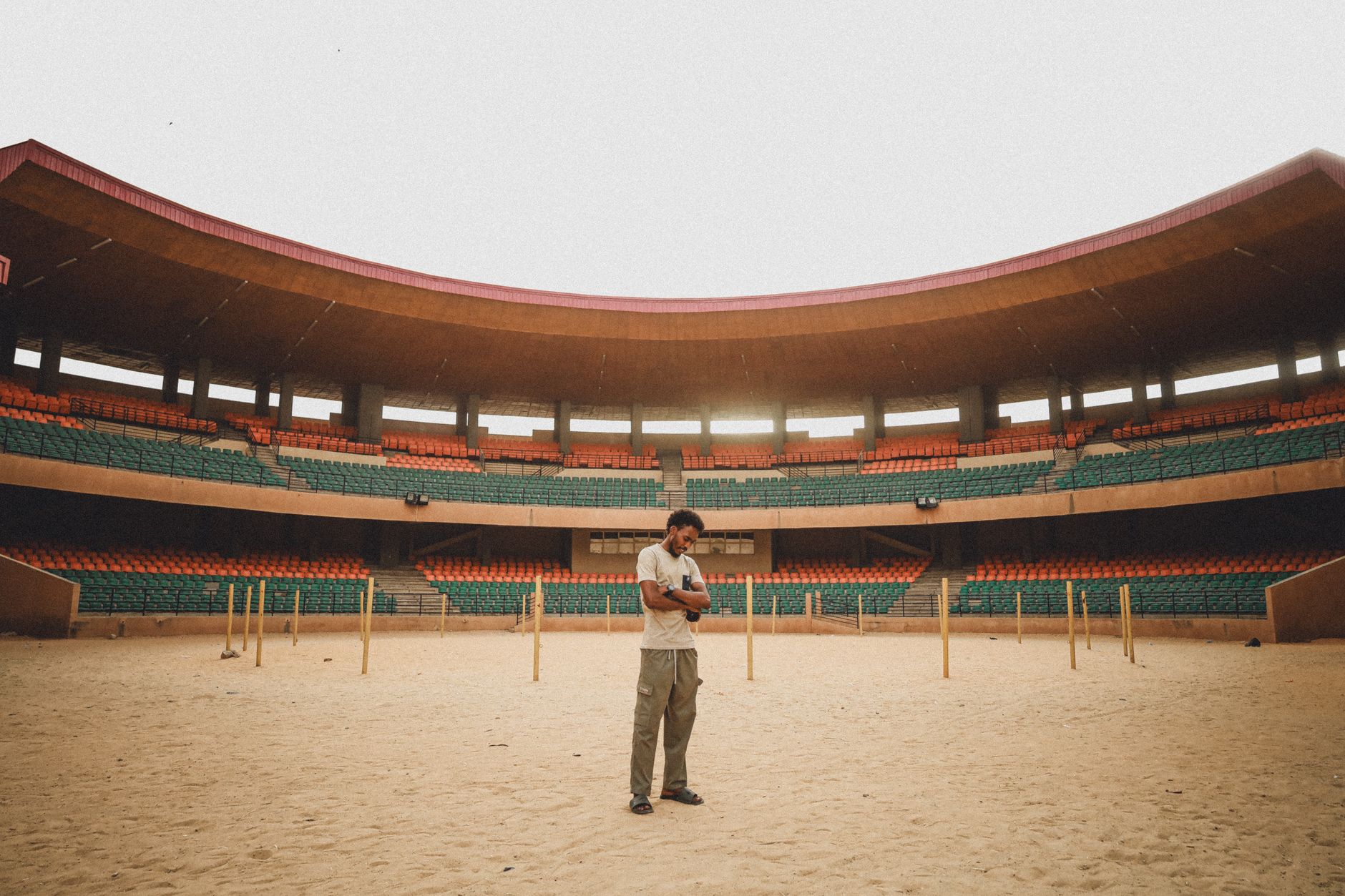
The International Stadium in Heliopolis has become the de facto home for several title contenders this season, its 74,000-capacity making it Egypt's largest venue and a neutral ground that tournament organisers favour. Stadium officials report that fixture scheduling for the final fortnight requires 24-hour turnaround protocols between matches, with ground crews managing pitch maintenance, seating repairs, and security briefings simultaneously. Ticket prices for these decisive matches have climbed to 150 Egyptian pounds for standard seating, with VIP sections commanding upwards of 500 pounds—reflecting the fever pitch gripping the city.
Meanwhile, Zamalek's traditional fortress at Cairo International Stadium remains contested territory. The 30,000-capacity ground has hosted some of the season's most volatile encounters, with security presence visibly heightened since March. Local authorities have implemented enhanced vehicle screening protocols at entrances along the Ring Road approach, adding roughly 45 minutes to pre-match arrival windows.
Beyond the traditional powerhouses, smaller clubs utilising venues in neighbourhoods like Maadi and Gezira have quietly become spoilers in the championship race. The Military Academy Stadium in Heliopolis, though smaller at 12,000 seats, has become a testing ground for emerging talent and provides affordable match-day experiences at 30-50 pounds per ticket.
Logistically, Cairo's sporting calendar presents unique challenges. Traffic congestion around major stadiums on match days forces organisers to coordinate with the Greater Cairo Traffic Police weeks in advance. The metro system's extensions have alleviated some pressure, with dedicated stadium-bound services now running from Ramses Station during evening fixtures.
As June bleeds into July, Cairo's football culture reaches its crescendo. The final rounds promise not merely sporting significance but reveal the organisational sophistication Cairo's venues have developed. Whether at the towering International Stadium or intimate neighbourhood grounds, the city's football infrastructure is demonstrating it can handle the continent's most demanding competition.
The championship will be decided on pitch, but won by those who own the support—and Cairo's stadiums are now battle-ready.
This article was compiled by AI and screened before publishing. See our editorial standards.