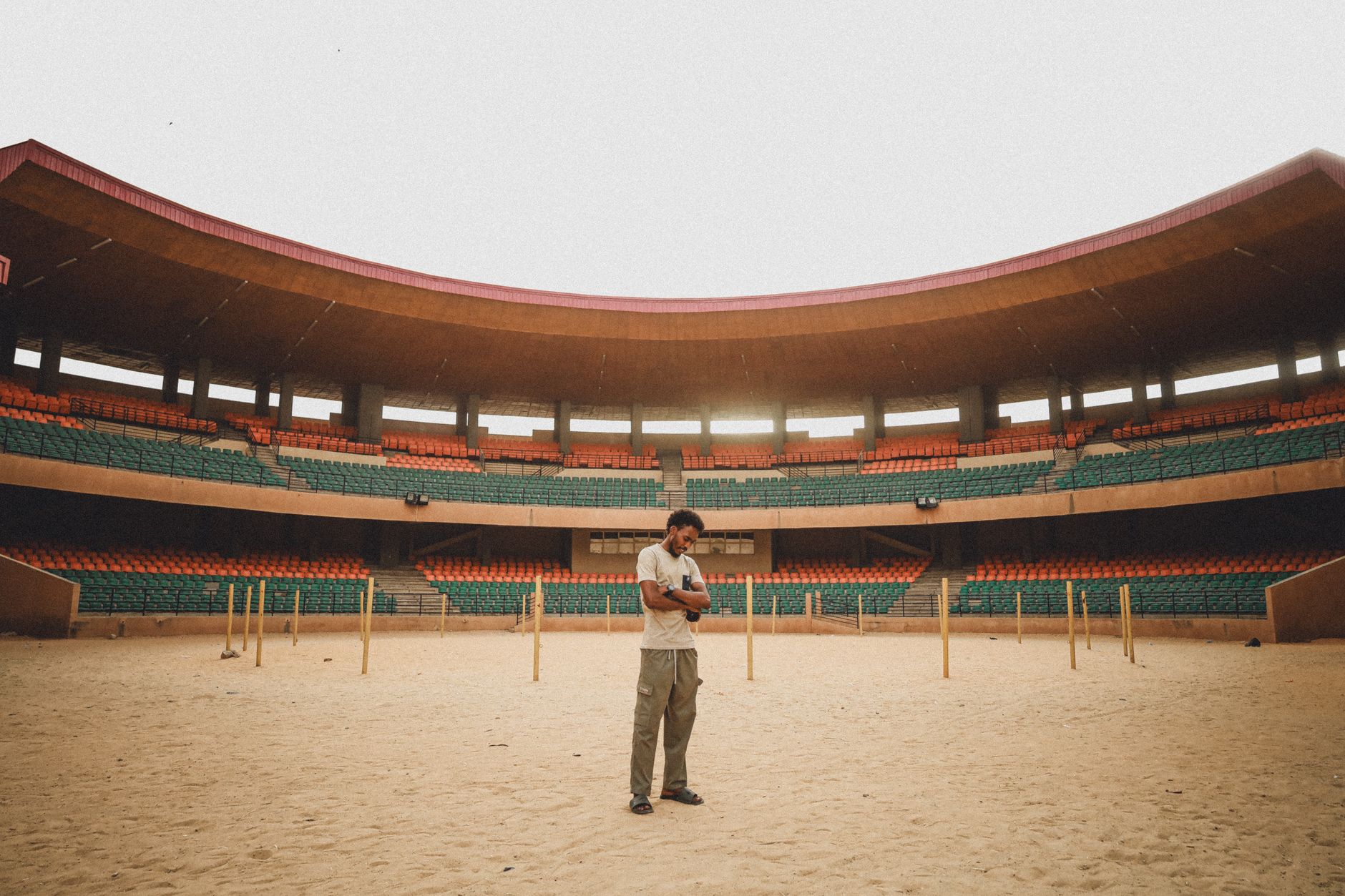
Walk through the dusty pitches of Helwan on any Friday morning, and you'll witness a transformation quietly reshaping Cairo's football landscape. What once served as informal gathering spaces for teenagers kicking worn-out balls has evolved into organized community hubs, with local clubs now operating structured programmes that extend far beyond the 90 minutes of play.
The shift reflects a broader revival of grassroots football across Cairo's diverse neighbourhoods. In Maadi, the Al-Nadi Al-Ahly satellite club has expanded its youth academy to accommodate over 400 registered players aged 6 to 18, charging modest fees of 200–400 Egyptian pounds monthly—making participation accessible to working-class families. Meanwhile, in Garden City, smaller independent clubs have partnered with local schools to provide after-school coaching at minimal cost, directly addressing concerns about street safety and youth engagement.
"Local clubs are becoming the social infrastructure our neighbourhoods desperately need," explains Hassan El-Masri, founder of a community football initiative operating across six Cairo districts. "We're not just developing players; we're creating spaces where young people feel invested in their communities."
The numbers tell a compelling story. Membership across registered grassroots clubs in greater Cairo has surged by roughly 35 percent since 2024, according to data from the Egyptian Football Association's community development office. More significantly, these clubs increasingly function as mentorship networks, offering literacy programmes, nutritional support, and career guidance alongside training sessions.
In Zamalek, the historic island neighbourhood has seen a resurgence of women's football initiatives, with three clubs now fielding competitive teams—a cultural milestone in Egypt's male-dominated sport. Training sessions at the Gezira Sporting Club's community annexe draw 80-plus participants weekly, generating grassroots momentum that wasn't visible five years ago.
Financial sustainability remains challenging. Most clubs rely on membership fees, small grants from municipal authorities, and occasional sponsorship from local businesses. Yet this lean operating model has fostered resourcefulness. Several clubs have launched community fundraising events—futsal tournaments, charity matches, and merchandise sales—that generate funds while deepening neighbourhood bonds.
Perhaps most tellingly, retention rates among young players have climbed sharply. Coaches report that participants increasingly view their clubs as genuine community anchors rather than mere training facilities, spurring longer-term commitment and social integration.
As Cairo's commercial football landscape remains dominated by elite clubs, these neighbourhood initiatives are proving that football's real power lies in its ability to unite ordinary communities—one pitch, one season, one neighbourhood at a time.
This article was compiled by AI and screened before publishing. See our editorial standards.