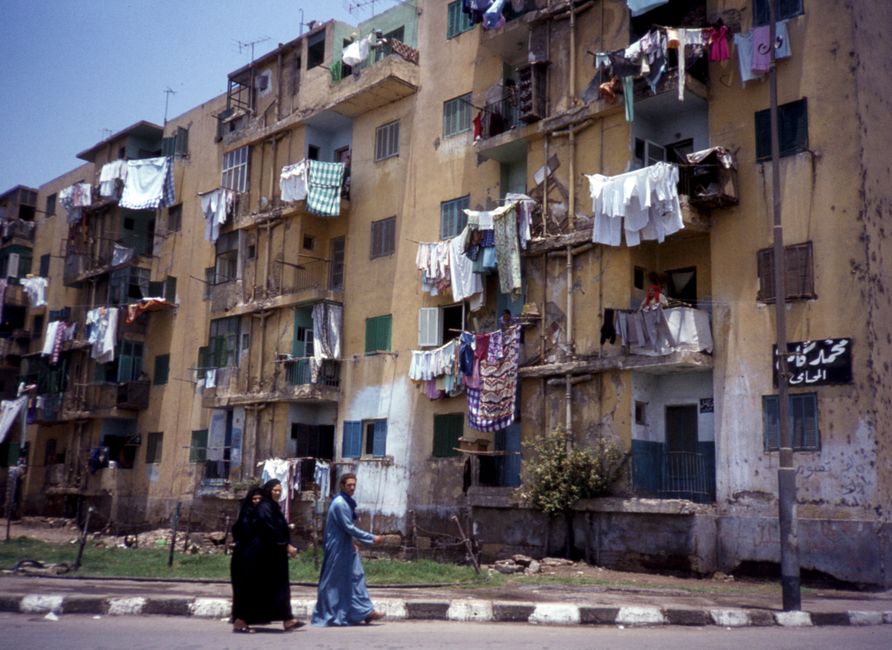
Walk through the early-morning streets of Bulaq al-Dakrour or Rod al-Farag on any weekday, and you'll spot them: clusters of young Cairenes performing calisthenics beneath apartment blocks, using makeshift pull-up bars welded from scrap metal, their breath visible in the cool pre-dawn air. This is where Cairo's grassroots fitness revolution is happening—not in the gleaming air-conditioned studios of Zamalek or New Cairo, but in the cramped alleyways and rooftop spaces of the city's working neighbourhoods.
For decades, fitness culture in Cairo remained stratified. Premium gyms in Heliopolis and Garden City charged membership fees between 2,000 and 5,000 Egyptian pounds monthly—prohibitive for most residents earning modest incomes. But over the past three years, a decentralised community movement has emerged, fundamentally reshaping how ordinary Cairenes access training and build athletic community.
The movement coalesced around small fitness collectives operating from garages, community centres, and public spaces. In Sayeda Zeinab, a network of informal trainers began offering sessions for as little as 50 pounds per session, teaching Boxing, calisthenics, and functional fitness to labourers, students, and service workers. Similar initiatives sprouted in Shubra, Embaba, and Ain Shams, each reflecting local needs and resources.
What distinguishes these grassroots spaces from traditional gyms is their social infrastructure. Members aren't anonymous subscribers; they're participants in tight-knit communities. Training sessions often double as social gatherings where participants discuss shared economic pressures, employment challenges, and neighbourhood issues. The fitness becomes inseparable from community building.
The expansion has been remarkable. Local fitness advocacy groups estimate that community-led training initiatives now engage between 40,000 and 60,000 Cairenes regularly—a figure that dwarfs traditional gym memberships five years ago. Digital platforms, particularly WhatsApp and Instagram, have amplified this growth, allowing trainers to coordinate sessions and share programming across neighbourhoods with minimal overhead.
Municipality support remains inconsistent, though some district councils have begun allocating public spaces for community training. The governorate's sports department hasn't developed formal partnerships with grassroots organisers, representing a missed opportunity for structured support and standardisation.
Yet challenges persist. Many trainers operate without formal certification, raising safety questions. Equipment varies wildly in quality. Climate conditions—Cairo's brutal heat during summer months—limit accessibility for vulnerable populations.
Still, the movement persists because it addresses a fundamental truth: fitness and health shouldn't be luxuries reserved for Cairo's elite. These grassroots communities are proving that athletic culture flourishes when ordinary residents control their own spaces and training narratives.
This article was compiled by AI and screened before publishing. See our editorial standards.