The renovation of Gezira Sporting Club's athletic complex in south-central Cairo has become emblematic of a broader shift in how the city's established sports institutions are engaging with their communities. With membership fees ranging from 2,500 to 8,000 Egyptian pounds annually—substantially lower than international alternatives—the club has attracted over 3,000 new members since reopening its renovated pitch facilities in March, transforming what was once an elite enclave into a more inclusive neighbourhood hub.
This pattern is repeating across Cairo's sporting geography. The El Ahly and Zamalek clubs, traditionally perceived as rivals catering to Cairo's upper classes, have launched extensive outreach programmes targeting working-class neighbourhoods in Helwan and Bulaq. El Ahly's satellite training academy in the industrial district of Helwan now hosts 800 youth players aged 7-16, charging nominal registration fees of just 300 pounds per season. Club representatives conduct weekly scouting sessions in local community centres, democratising access to professional coaching that was previously confined to well-connected families in wealthier districts.
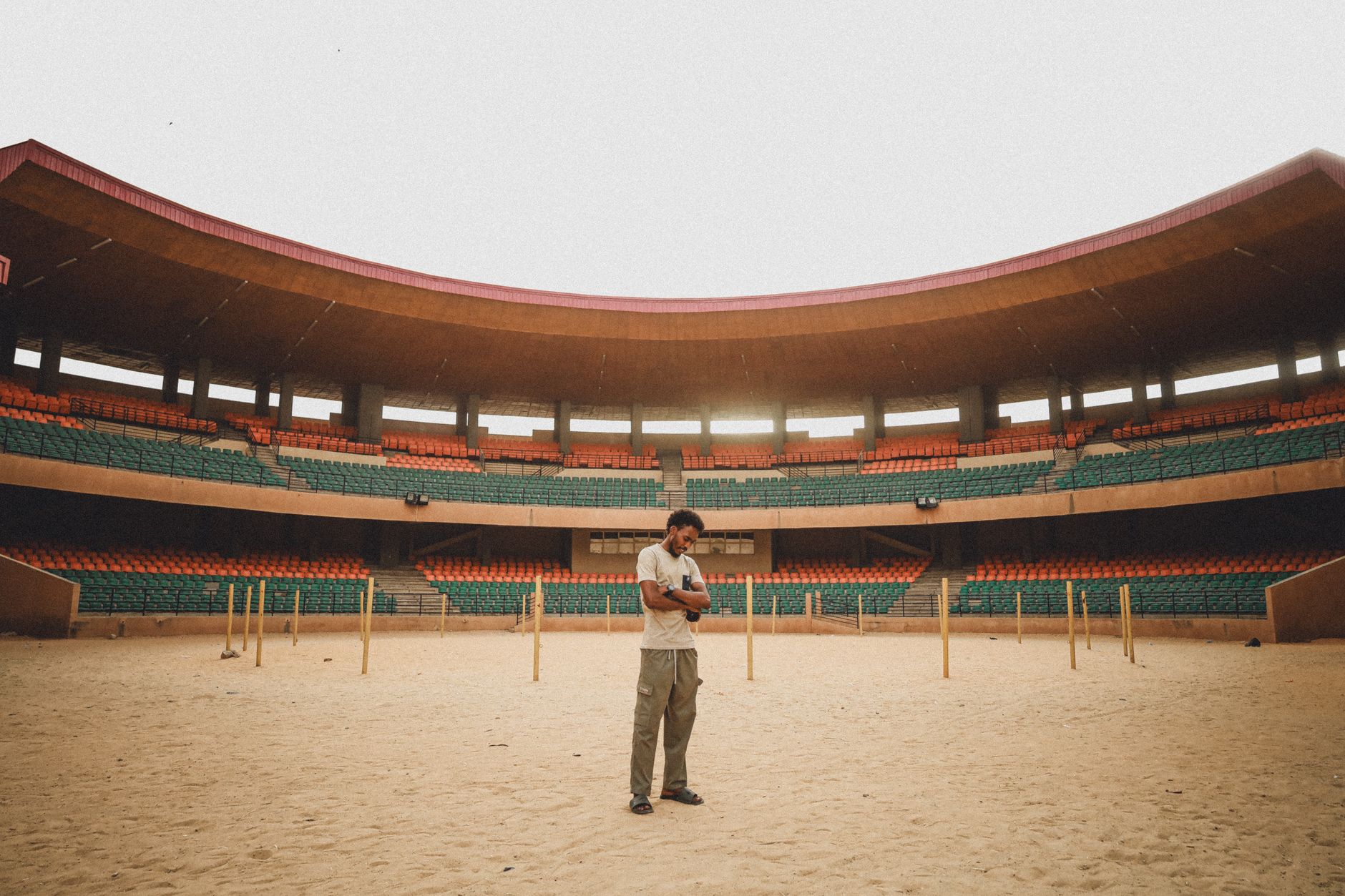
The Mohamed Ali Club in Manial has similarly invested in stadium infrastructure, installing LED floodlights and upgrading changing facilities to host inter-neighbourhood amateur leagues every Friday evening. What began as casual kickabout sessions between local teams has evolved into a structured 40-team tournament, drawing spectators from across the city and generating substantial engagement from residents who had never set foot inside a formal sporting venue.
Beyond football, rowing clubs along the Nile—particularly those clustered near Zamalek Island—are expanding programmes to include secondary school students from eastern Cairo neighbourhoods. The Nile Rowing Club reported a 67 percent increase in youth participation over the past 18 months, attributing the surge to partnership agreements with five government schools that subsidise transport and equipment costs.
Sports administrators credit this democratisation to recognising that Cairo's population of over 20 million requires distributed access to quality facilities. Rather than concentrating resources in downtown venues, clubs are deploying satellite facilities in peripheral neighbourhoods and franchising their coaching methodologies to community organisations.
The shift carries profound implications. Beyond generating revenue and expanding membership bases, these initiatives are reconstructing the social fabric of Cairo's most fragmented districts. Sporting venues—traditionally markers of class exclusivity—are emerging as neutral grounds where young Cairenes, regardless of economic background, can pursue athletic development and build meaningful community ties.
This article was compiled by AI and screened before publishing. See our editorial standards.