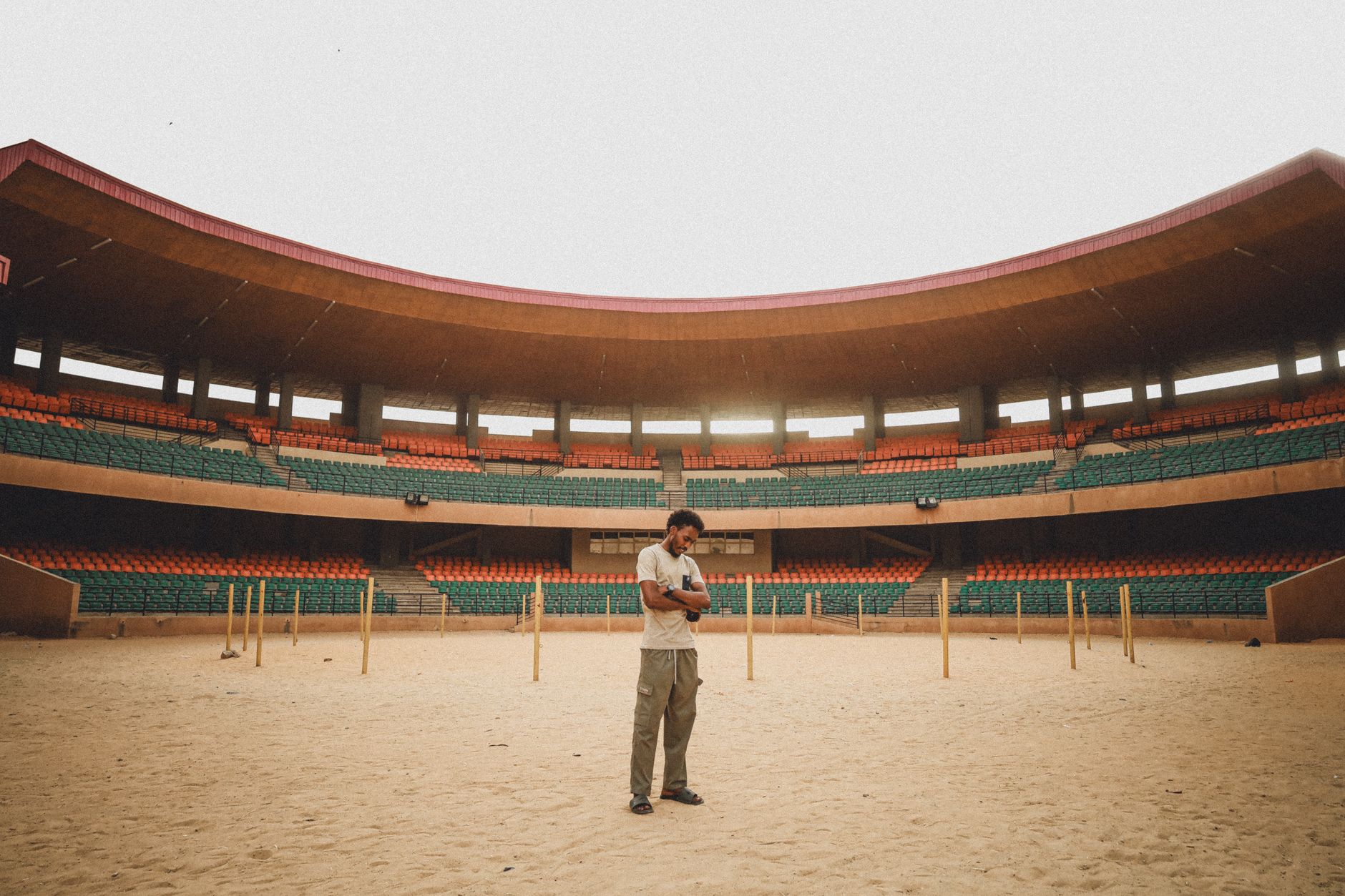
In the shadow of the Gezira Sporting Club's historic grounds, Zamalek SC has quietly engineered one of Cairo's most ambitious youth sport initiatives. The club's newly restructured academy, operating across three training facilities—including a state-of-the-art centre near the 6th of October Bridge and satellite operations in Heliopolis—is currently tracking 340 young athletes across age groups U-12 through U-19, a 65 per cent increase from 2024 figures.
The programme's expansion reflects broader ambitions within Egyptian football circles to systematise grassroots development ahead of regional and continental tournaments. Zamalek's investment of approximately 8 million Egyptian pounds annually has funded expanded coaching staff, upgraded pitch facilities, and nutrition protocols previously uncommon in Cairo's youth football ecosystem. Monthly academy fees—ranging from 1,200 to 2,400 EGP depending on age bracket—remain accessible to middle-class families across central Cairo neighbourhoods like Dokki and Maadi, though scholarship places now number 60, double last year's allocation.
What distinguishes Zamalek's current trajectory is measurable output. In the past 18 months, the academy has supplied seven players to the club's first-team matchday squad—an unusually high domestic pathway conversion. Three academy graduates earned call-ups to Egypt's U-17 national team setup during recent qualifiers. These developments have generated attention from Gulf-based scouts and Moroccan clubs seeking Cairo-developed talent.
The club's head of youth development has implemented a 'technical development matrix'—a monitoring system tracking skill progression, injury prevention, and psychological readiness across cohorts. Training sessions, typically held late afternoons to accommodate schooling schedules, now incorporate video analysis, set-piece specialisation, and strength conditioning protocols adopted from elite European academies.
Not all observers celebrate the expansion unreservedly. Veteran Cairo football commentators note that increased professionalism may inadvertently widen access gaps, despite scholarship provisions. Smaller clubs operating neighbourhood-level programmes in Bulaq and Rod el-Farag have voiced concerns about talent migration toward well-funded institutional academies.
Nevertheless, Zamalek's grassroots push arrives at a consequential moment. With Egypt's national team preparing for upcoming continental fixtures and the broader Middle East football landscape increasingly competitive, academy-scale infrastructure investment signals institutional confidence in long-term player development. As Cairo's youth football landscape evolves, Zamalek's model—combining systematic coaching, modern facilities, and genuine pathway opportunities—has established measurable benchmarks others now attempt to replicate.
This article was compiled by AI and screened before publishing. See our editorial standards.