Cairo's Fitness Revolution: How Local Gyms Are Thriving by Building Real Community
From Zamalek to Heliopolis, independent fitness clubs are reshaping Cairo's health culture by prioritising membership bonds over corporate franchises.
From Zamalek to Heliopolis, independent fitness clubs are reshaping Cairo's health culture by prioritising membership bonds over corporate franchises.
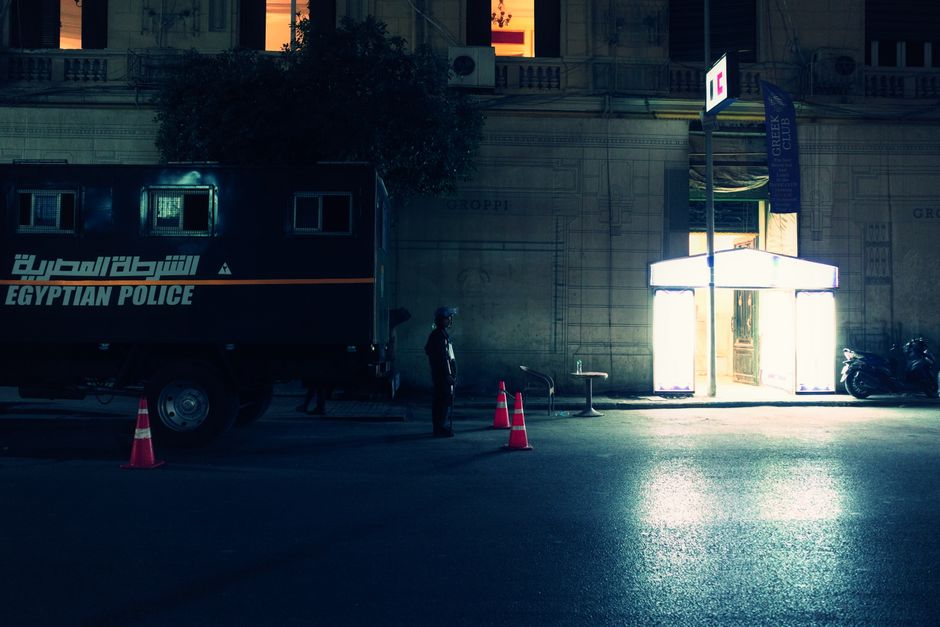
Walk down 26th of July Street in Zamalek on any weekday evening, and you'll notice something striking: the neighbourhood's mid-sized gyms are packed. Not with the transient membership base typical of international chains, but with regulars who know each other's names, celebrate each other's milestones, and return week after week. This is the story of Cairo's grassroots fitness renaissance—one where local clubs are outpacing global competitors by doing something surprisingly simple: building genuine community.
The shift has been remarkable. Over the past three years, independent fitness facilities across Cairo have seen membership growth averaging 35-40 percent annually, according to informal surveys conducted among operators in Heliopolis, Maadi, and New Cairo. These aren't slick corporate operations with marble lobbies and app-based booking systems. Instead, they're neighbourhood institutions where trainers remember clients' names, where group classes foster accountability, and where membership fees—typically ranging from 500 to 800 Egyptian pounds monthly—remain accessible to Cairo's middle class.
What's driving this trend? Partly economics. A year-long membership at an independent gym costs roughly one-third of what international franchises charge. But the real draw runs deeper. These clubs function as social anchors in a city where gym culture has historically been fragmented and transactional.
The formula working best combines three elements: consistent, knowledgeable coaching staff (many trained locally rather than imported), group-oriented programming like CrossFit-style circuits and dance cardio classes, and stable locations that attract neighbourhood loyalty. Clubs clustered around Garden City and along the Nile in Dokki report particularly strong retention rates, with members citing the convenience of proximity and the familiarity of trainers as primary reasons for staying.
Women's fitness sectors have particularly benefited. Women-only training hours and female-led classes have become standard offerings, with several Heliopolis-based clubs reporting that female membership now comprises 45-50 percent of their base—a significant shift from five years ago when that figure hovered around 20 percent.
The sustainability of this trend hinges on one factor: whether Cairo's independent gym owners can maintain quality and community focus while scaling up. Some operators are already expanding to secondary locations in New Administrative Capital commuter areas, testing whether the community-first model translates beyond established neighbourhoods.
For Cairo's fitness sector, the lesson is clear: in a city of 20 million, where digital connection often feels superficial, people crave spaces where they belong. Local gyms aren't just selling exercise. They're selling membership in something real.
This article was compiled by AI and screened before publishing. See our editorial standards.
How does this story make you feel?
Spread the word
About this article
Published by The Daily Cairo
Daily brief
Free, in your inbox before 7am. Weekdays.
More in Sport