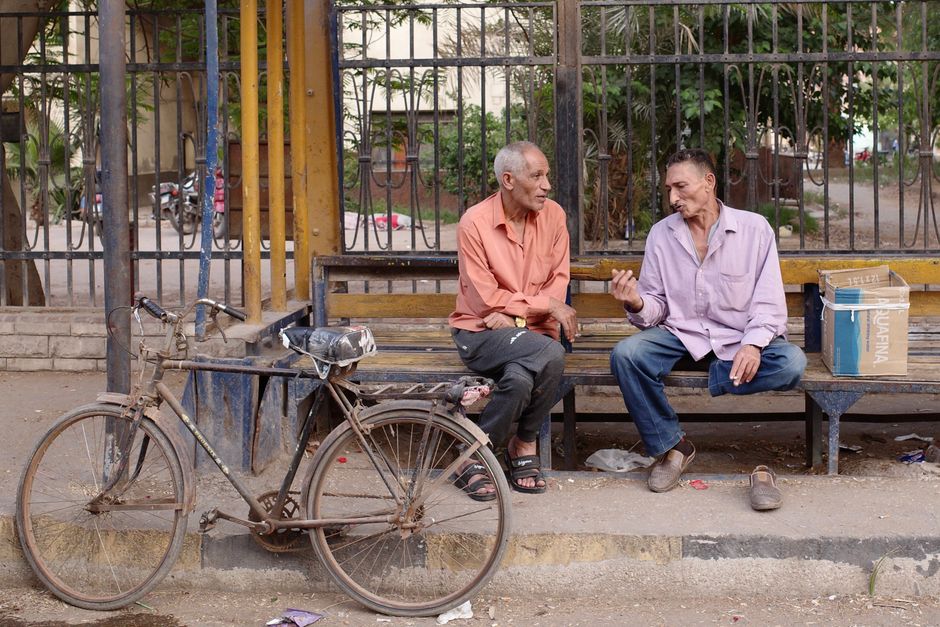
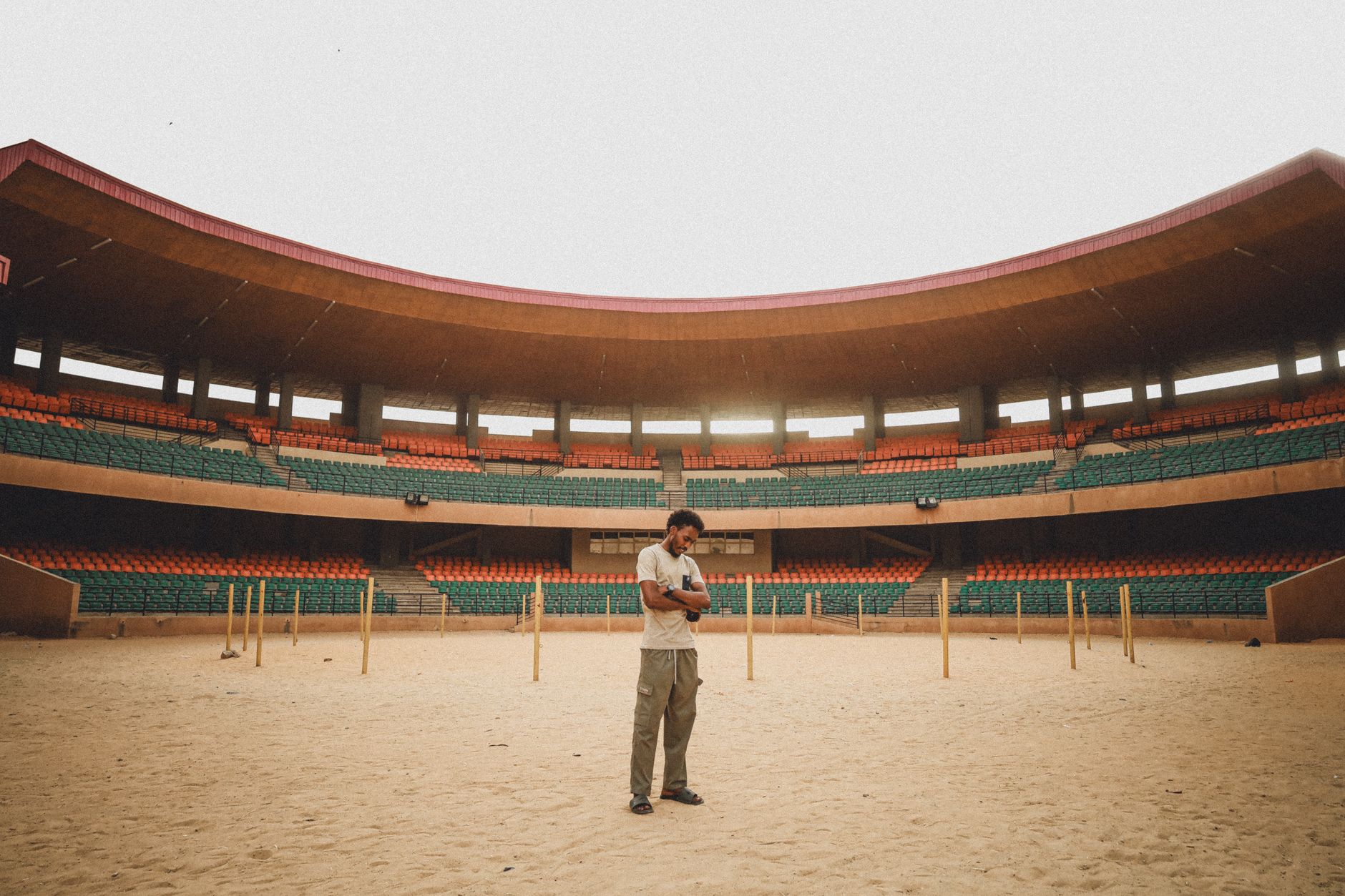
Walk down Sharia el-Nile in Zamalek on any evening, and you'll spot them: teenagers weaving between cones on a makeshift futsal court, squeezed between a corner shop and a shuttered café. This is where Cairo's grassroots sports movement breathes, far from the gleaming International Stadium in New Cairo or the historic Copacabana pitch in Heliopolis.
Over the past five years, community-driven initiatives have fundamentally reshaped how young Egyptians access sport. Organisations operating from modest headquarters in neighbourhoods like Manshiet Nasser, Shubra, and Sayeda Zeinab have registered more than 12,000 active participants across football, basketball, and athletics—many of them children who would otherwise have no access to structured training.
The numbers tell a compelling story. A 2025 survey by Cairo's Youth and Sports Directorate found that grassroots programmes now account for nearly 40% of competitive athlete development pathways, compared to just 14% a decade ago. Entry costs remain deliberately low—between 50 and 150 Egyptian pounds monthly—making participation genuinely accessible across economic divides.
What drives this movement is neither government infrastructure nor corporate sponsorship, but rather sustained volunteer commitment. At the Gezira Sporting Club's satellite facility in Rod el-Farag, local coaches—many former athletes themselves—donate three evenings weekly to youth development. Similar scenes repeat across the city: in Dokki, where a rehabilitated community centre now hosts 200 regular participants; in Maadi, where residents transformed an abandoned plot into a multi-use sports ground; in Nasr City, where evening running clubs have expanded to encompass 400 members.
The impact reverberates upward. Several players now competing in Egypt's top-tier Premier League and representing the national team trace their development to these grassroots programmes rather than elite academies. This shift has prompted major venues—including Cairo Stadium—to establish formal partnerships with community organisations, providing access to professional-grade facilities for weekend youth tournaments.
Yet challenges persist. Funding remains precarious, dependent largely on donations and modest municipal support. Infrastructure deterioration affects many neighbourhood venues. Safety concerns in certain areas create participation barriers.
Still, the momentum is undeniable. What began as informal neighbourhood initiatives has crystallised into a genuine sporting ecosystem. Cairo's future athletic champions aren't necessarily being identified in air-conditioned academies—many are emerging from community pitches where volunteers believe every young person deserves the chance to compete and excel.
This article was compiled by AI and screened before publishing. See our editorial standards.